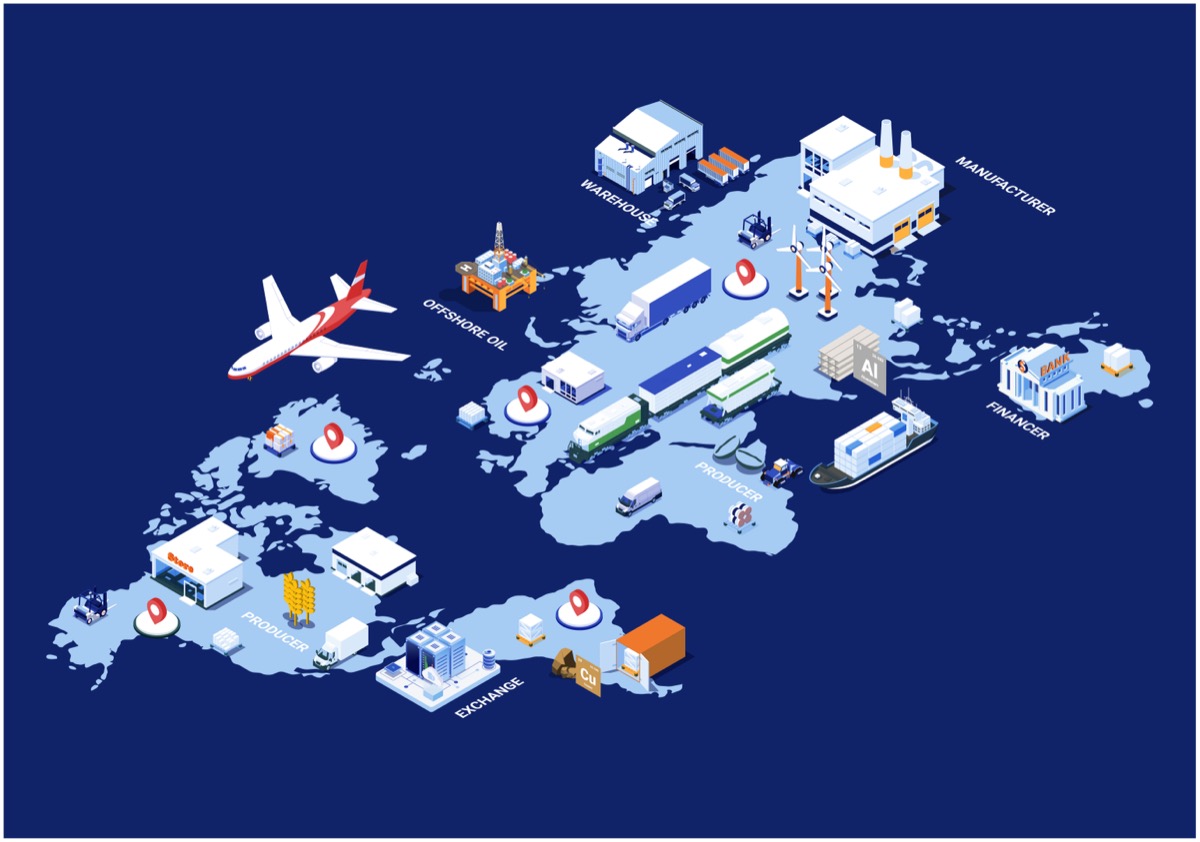
AI Customs Classification: How Machine Learning Assigns HS Codes in Seconds
Getting customs classification wrong costs businesses millions. A single misclassified shipment can trigger audits, penalties, and supply chain delays that ripple through entire operations. The tradit
AI Customs Classification: How Machine Learning Assigns HS Codes in Seconds
Getting customs classification wrong costs businesses millions. A single misclassified shipment can trigger audits, penalties, and supply chain delays that ripple through entire operations. The traditional approach—manual classification by customs experts—works but doesn't scale. When you're processing thousands of SKUs across dozens of countries, human classification becomes the bottleneck.
Machine learning is changing this dynamic. AI systems now classify products using Harmonized System (HS) codes in seconds, not hours, with accuracy rates that match or exceed human experts. These systems don't just speed up classification—they democratize expertise, letting smaller operations access the same level of customs intelligence previously available only to multinationals with dedicated trade teams.
The technology works by analyzing product descriptions, specifications, and historical classification data to suggest appropriate HS codes across multiple jurisdictions. What makes this particularly powerful is the system's ability to handle the complexity of modern global trade—where a single product might need different classifications in different countries, and regulatory changes can invalidate classifications overnight.
The HS Code Classification Challenge
The Harmonized System contains over 5,000 six-digit codes, expanding to hundreds of thousands when you factor in country-specific extensions. Each product must be classified correctly in every destination market, and the stakes are high. Misclassification can result in:
- Duty overpayments or underpayments requiring retroactive corrections
- Customs audits that can examine years of historical shipments
- Trade compliance violations carrying financial and reputational penalties
- Missed opportunities for preferential duty rates under free trade agreements
The challenge intensifies with product complexity. A smartphone isn't just a phone—it's a computing device with telecommunications capability, potentially falling under different classifications depending on its primary function. Traditional classification requires deep expertise in both the product and the regulatory framework of each destination country.
Manual classification typically takes 15-30 minutes per SKU for experienced customs professionals. For companies with extensive product catalogs, this represents weeks of expert time for initial classification, plus ongoing maintenance as regulations change. The resource requirement often forces businesses to choose between speed and accuracy—a choice that frequently leads to suboptimal outcomes.
How AI Classification Systems Work
Modern AI classification systems use natural language processing to analyze product descriptions and map them to appropriate HS codes. The process typically involves several layers:
Text Analysis and Feature Extraction: The system parses product descriptions, specifications, and any accompanying documentation to identify key characteristics. This includes material composition, intended use, technical specifications, and functional attributes.
Multi-Model Classification: Rather than relying on a single algorithm, sophisticated systems employ multiple machine learning models trained on different aspects of classification. One model might specialize in material identification, another in functional classification, and a third in regulatory mapping.
Confidence Scoring: Each suggested classification comes with a confidence score indicating the system's certainty. High-confidence classifications can proceed automatically, while lower-confidence suggestions get flagged for human review.
Jurisdictional Mapping: The system accounts for country-specific variations in HS code implementation, ensuring that classifications are appropriate for each destination market.
The training data for these systems comes from multiple sources: historical customs declarations, official classification databases, regulatory guidance documents, and rulings from customs authorities. The best systems continuously learn from new classifications and regulatory updates.
Real-World Performance and Accuracy Metrics
AI classification systems now achieve accuracy rates of 85-95% on initial classification attempts, with performance varying by product category and description quality. Simple products with clear descriptions (basic textiles, standard electronics) often see accuracy rates above 95%, while complex industrial equipment or novel products may require more human oversight.
Speed improvements are dramatic. Where manual classification might take 20 minutes per SKU, AI systems provide initial classifications in under 10 seconds. For high-volume operations, this represents a fundamental shift in operational capability.
customs-compliance.ai, for example, covers 588,000 HS codes across 51 countries, providing classifications with integrated duty rate information and FTA eligibility. The system starts at £14 per month, making enterprise-grade classification accessible to smaller operations that previously couldn't justify dedicated customs expertise.
The accuracy metrics matter because they determine operational workflow. Systems achieving 90%+ accuracy on first pass can handle routine classifications autonomously, with human experts focusing on edge cases and complex products. This hybrid approach maximizes both speed and accuracy while maintaining regulatory compliance.
Integration with Existing Trade Systems
AI classification doesn't exist in isolation—it must integrate with existing enterprise resource planning (ERP) systems, customs management platforms, and trade documentation workflows. The integration architecture determines whether AI classification becomes a force multiplier or just another data silo.
Modern classification systems offer API-based integration, allowing real-time classification requests from existing systems. When a new product enters the system, the classification request goes out automatically, returning not just the HS code but also duty rates, regulatory requirements, and any special handling instructions.
The integration extends to customs filing systems. Once classification is complete, the data flows directly to customs declarations, reducing manual data entry and the associated error risk. Some systems can automatically flag classification changes that affect existing inventory, prompting review of products already in the distribution chain.
For companies operating their own customs brokerage or using systems like tradePhlo—which offers 80% cost reduction versus manual customs processing with full CDS/NCTS integration—AI classification becomes part of an automated customs pipeline that handles everything from initial product setup through final customs clearance.
Regulatory Compliance and Audit Support
AI classification systems excel at maintaining audit trails and supporting compliance requirements. Every classification decision is logged with supporting rationale, creating documentation that customs authorities accept during audits.
The systems also monitor regulatory changes that affect existing classifications. When tariff schedules change or new trade agreements take effect, the AI can automatically review existing classifications and flag products that may need reclassification. This proactive approach prevents compliance gaps that might otherwise go unnoticed until an audit.
For businesses using preferential duty programs, AI systems can identify FTA opportunities that human classifiers might miss. The system doesn't just find the correct HS code—it evaluates whether alternative classifications might qualify for better duty treatment under specific trade agreements.
Documentation capabilities include classification rationale reports that explain why specific codes were selected, regulatory change impact assessments, and compliance dashboards that show classification confidence levels across the entire product catalog. These features prove particularly valuable during customs audits, where businesses must demonstrate due diligence in their classification processes.
Cost-Benefit Analysis of AI Implementation
The economics of AI classification are compelling for most operations processing more than a few hundred SKUs annually. Manual classification by customs experts costs £50-100 per hour, meaning a single product requiring 30 minutes of expert time costs £25-50 to classify. AI systems typically classify products for under £1 each, including ongoing monitoring for regulatory changes.
The savings extend beyond direct classification costs. Faster, more accurate classification reduces customs delays, minimizes duty overpayments, and captures preferential treatment opportunities that manual processes might miss. Companies often see 10-20% reductions in overall duty payments through more precise classification and better FTA utilization.
Risk reduction provides additional value. Consistent, well-documented classification processes reduce audit risk and associated costs. The average customs audit costs businesses £50,000-200,000 in professional fees and internal resources, not counting any penalties or duty adjustments. AI systems' comprehensive audit trails and regulatory monitoring significantly reduce these risks.
For businesses evaluating classification solutions, customs-compliance.ai offers enterprise-grade functionality at pricing accessible to smaller operations. The platform combines AI classification with duty optimization and regulatory monitoring, providing comprehensive customs intelligence without requiring significant upfront investment.
Future Developments in AI Classification
Machine learning continues evolving, with new developments promising even greater classification accuracy and capability. Computer vision integration allows AI systems to analyze product images alongside text descriptions, particularly valuable for products where visual characteristics determine classification.
Real-time regulatory monitoring is becoming more sophisticated, with AI systems parsing regulatory publications and automatically updating classification databases as rules change. This capability addresses one of the major weaknesses of traditional classification systems—the lag between regulatory changes and system updates.
Cross-border data sharing between AI systems could further improve accuracy. As systems learn from successful classifications in multiple jurisdictions, they build better models for handling complex or novel products. Privacy and competitive concerns limit this sharing currently, but regulatory frameworks are evolving to enable anonymized learning across platforms.
The integration of AI classification with broader supply chain intelligence offers additional opportunities. Systems that understand not just product classification but also supplier relationships, manufacturing processes, and logistics constraints can provide more nuanced trade advice, potentially identifying optimization opportunities across the entire trade workflow.
Frequently Asked Questions
How accurate is AI customs classification compared to human experts?
Modern AI classification systems achieve 85-95% accuracy on initial attempts, with performance varying by product complexity. Simple, well-described products often see accuracy rates above 95%, matching or exceeding human performance. The key advantage is consistency—AI systems don't have bad days or make errors due to fatigue or time pressure. For complex products requiring nuanced judgment, hybrid approaches combining AI suggestions with human review typically deliver the best results.
Can AI classification systems handle regulatory changes and updates?
Yes, advanced AI systems monitor regulatory changes and automatically update their classification databases. When tariff schedules change or new trade agreements take effect, the system reviews existing classifications and flags products that may need reclassification. This proactive monitoring prevents compliance gaps and ensures classifications remain current with evolving regulations across multiple jurisdictions.
What happens when the AI system is uncertain about a classification?
AI classification systems provide confidence scores with each suggested classification. When confidence falls below predetermined thresholds, the system flags the product for human review rather than proceeding with an uncertain classification. This hybrid approach maintains high accuracy while capturing the speed benefits of automated classification for straightforward products. Users can adjust confidence thresholds based on their risk tolerance and operational requirements.
How does AI classification integrate with existing ERP and customs systems?
Most modern AI classification systems offer API-based integration that connects with existing ERP systems, customs management platforms, and trade documentation workflows. When new products enter the system, classification requests occur automatically, returning HS codes, duty rates, and regulatory requirements directly into existing workflows. This integration eliminates manual data entry and ensures classification data flows seamlessly through the entire customs process.
What documentation do AI classification systems provide for customs audits?
AI systems maintain comprehensive audit trails documenting every classification decision with supporting rationale. This includes the product information analyzed, the classification logic applied, confidence scores, and any human review steps. The documentation meets customs authority requirements and actually strengthens audit positions by demonstrating systematic, well-documented classification processes. Many systems also provide regulatory change impact reports and compliance dashboards.
How much does AI customs classification cost compared to manual classification?
AI classification typically costs under £1 per product compared to £25-50 for manual classification by customs experts. Beyond direct cost savings, businesses often see 10-20% reductions in overall duty payments through more precise classification and better FTA utilization. The total cost benefits include faster processing, reduced audit risk, and captured optimization opportunities that manual processes might miss. Systems like customs-compliance.ai start at £14 monthly, making enterprise-grade classification accessible to smaller operations.
Want to learn more about Phlo Systems?
See how our platform digitises international trade for commodity traders, importers, and exporters.
Get Started