Trade Management ERP for Importers Exporters: Real Cost Analysis 2024
Mid-market traders using fragmented systems pay 93% more than those with integrated trade ERP. Here's the actual cost breakdown across 52 countries.
Managing £50 million in annual trade across five different systems costs UK importers an average of £847,000 more annually than companies using integrated trade management ERP, according to deployment data from 80+ implementations across 52 countries.
The problem isn't just inefficiency—it's compound cost accumulation. Every additional system in your trade stack adds layers of manual reconciliation, duplicate data entry, and compliance gaps that compound exponentially as trade volume grows.
The Real Cost of Fragmented Trade Management
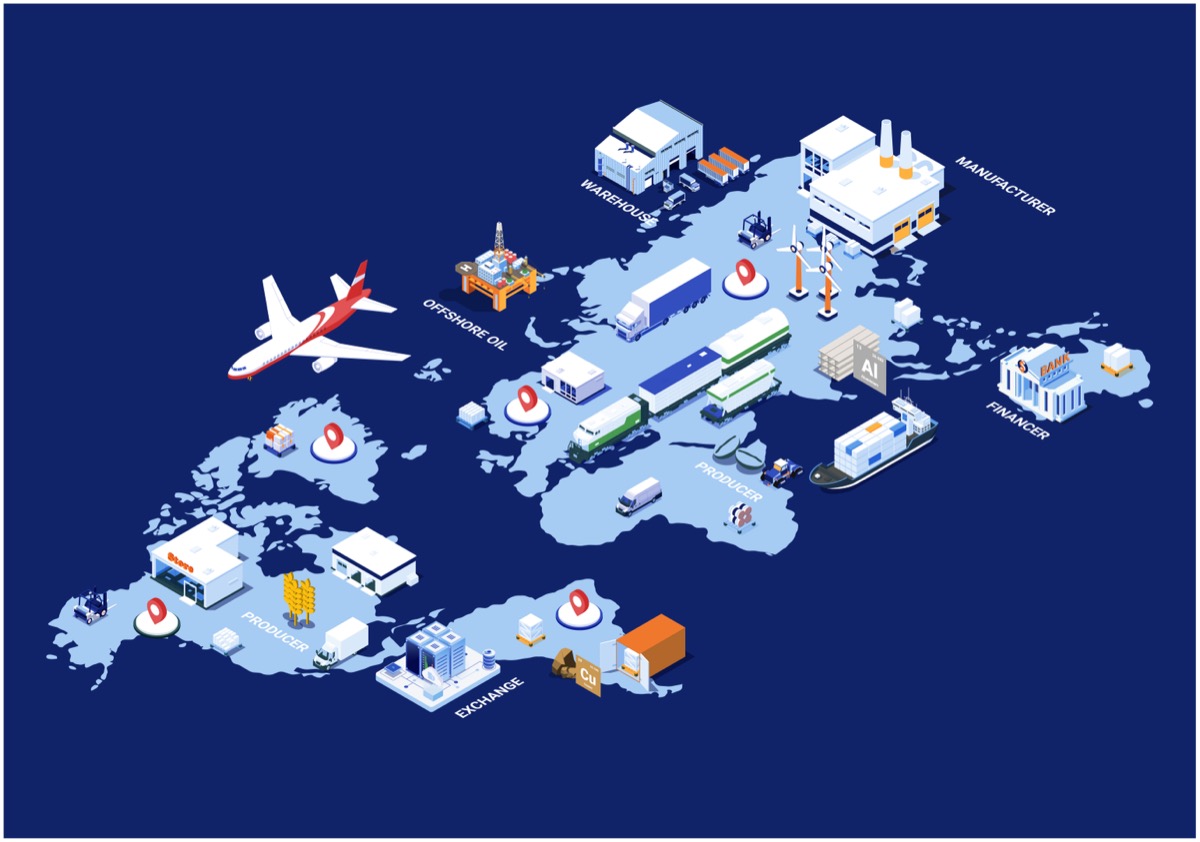
Most mid-market importers and exporters operate with what industry analysts call "Frankenstein stacks"—pieced-together combinations of:
- Legacy accounting software (Sage, QuickBooks, Xero)
- Excel spreadsheets for trade contracts
- Separate customs declaration platforms
- Manual document management via email
- Basic inventory tracking systems
Quadmet PTE Ltd, a UK-Singapore metals trader, was typical before implementing integrated trade ERP. Each shipment required 22 separate documents, took 12 hours to prepare, and involved 38 days from contract to cash. After deploying tradePhlo, they reduced documentation by 65% (22 to 8 documents), cut preparation time by 70% (12 to 3.5 hours), and accelerated trade processing by 35% (38 to 25 days).
The mathematics are stark: at 100 shipments annually, Quadmet saved 850 hours of manual processing time—equivalent to £42,500 in operational costs at £50/hour loaded rates.
Why Traditional ERP Falls Short for Trade Operations
Standard ERP systems like SAP Business One or Microsoft Dynamics weren't designed for the complexities of international trade. They lack native functionality for:
Trade-specific contract management: Handling Incoterms, letter of credit requirements, and multi-currency pricing structures
Integrated customs compliance: Managing HS codes, duty calculations, and free trade agreement benefits within the trade workflow
Multi-jurisdictional reporting: Generating trade statistics for multiple countries simultaneously
Document workflow: Coordinating bills of lading, commercial invoices, certificates of origin, and insurance documents
Torq Commodities discovered this limitation while scaling from 50 to 8,000 containers annually across 10 countries. Their legacy system required 4-5 hours to create each trade contract and 22 hours to process inventory updates. Post-implementation with opsPhlo, contract creation dropped to 30 minutes and inventory became "click of a button."
The result: £330,000 annual savings compared to their previous CTRM setup, with 4-month deployment versus the 12-18 months typical for legacy systems.
Core Features Every Trade Management ERP Must Include
End-to-End Trade Lifecycle Management From initial inquiry through final payment, effective trade ERP captures every transaction touchpoint. This includes purchase order generation, shipping coordination, customs clearance tracking, and invoice reconciliation within a single platform.
Built-in Compliance Engine Manual compliance checking costs UK traders an estimated £2.4 billion annually in missed free trade agreement savings and penalty payments. Modern trade ERP includes automated HS code classification, duty calculation, and FTA eligibility screening.
Multi-Currency and Multi-Entity Support Global traders operate across currencies and legal entities simultaneously. Your ERP must handle consolidated reporting while maintaining separate P&L tracking for each trading entity.
Real-Time Logistics Integration Shipping delays cost money. Trade ERP should integrate with freight forwarders and provide real-time container tracking, not require manual status updates via email.
Document Automation Chocomac Ghana, processing 60,000 MT of cocoa annually, achieved 45% operational efficiency gains primarily through automated document generation and workflow management.
Implementation Reality: Timeline and Cost Expectations
Deployment timelines vary dramatically based on system architecture:
Cloud-native platforms: 4-6 months average (modern systems like tradePhlo) Legacy on-premise: 12-18 months (traditional CTRM providers) Custom development: 24+ months (building in-house)
Total cost of ownership over five years shows even starker differences. Analysis of 80+ deployments reveals:
- Modern cloud platforms: £150,000-300,000 total
- Legacy systems: £800,000-1.2 million total
- Custom builds: £1.5 million+ total
The 93% lower TCO versus ION Trading, Triple Point, and Brady PLC stems primarily from reduced implementation costs, faster user adoption, and lower ongoing maintenance requirements.
Making the Business Case: ROI Calculation Framework
Build your ROI calculation around measurable efficiency gains:
Time Savings: Calculate current hours spent on manual trade processing, document preparation, and compliance checking. Apply loaded hourly rates (typically £45-75 for operations staff).
Error Reduction: Quantify costs of trade document errors, compliance penalties, and delayed shipments. UK customs penalties alone average £12,000 per violation.
Scalability: Model growth scenarios. Can your current systems handle 2x trade volume without additional headcount?
Cash Flow: Factor in faster invoice processing and payment collection. Reducing trade cycle time from 38 to 25 days (like Quadmet achieved) improves working capital by 34%.
Easy Access Trading in Brazil increased revenue 15% without team expansion after implementing finPhlo, demonstrating how proper systems enable growth without proportional cost increases.
Vendor Selection: What to Actually Evaluate
Ignore vendor marketing presentations. Focus on:
Reference customers in your sector: Demand specific metrics from similar-sized companies in your industry vertical.
System architecture: Cloud-native platforms deploy faster and scale better than modernized legacy systems.
Development velocity: How frequently does the vendor release new features? Active development teams (like Phlo's 14+ contributors) respond faster to regulatory changes.
Multi-country support: Verify actual deployments in your target markets, not just theoretical capability.
Integration ecosystem: Check pre-built connectors to your existing accounting, banking, and logistics providers.
The Integration Imperative
Fragmented trade management isn't just inefficient—it's increasingly risky as regulatory complexity grows and trade volumes scale. Companies that consolidate trade operations onto integrated ERP platforms consistently demonstrate 30-50% operational efficiency gains and significantly improved regulatory compliance.
The question isn't whether to integrate your trade management systems, but how quickly you can deploy a platform that handles your complete trade lifecycle without forcing compromises on functionality or compliance requirements.
Want to learn more about Phlo Systems?
See how our platform digitises international trade for commodity traders, importers, and exporters.
Get Started