Basis Trading Software for Grain Merchants: Beyond Spreadsheets
Grain merchants lose £100K+ annually to manual basis trading errors. Modern cloud-based CTRM systems cut costs 93% while scaling operations 160x.
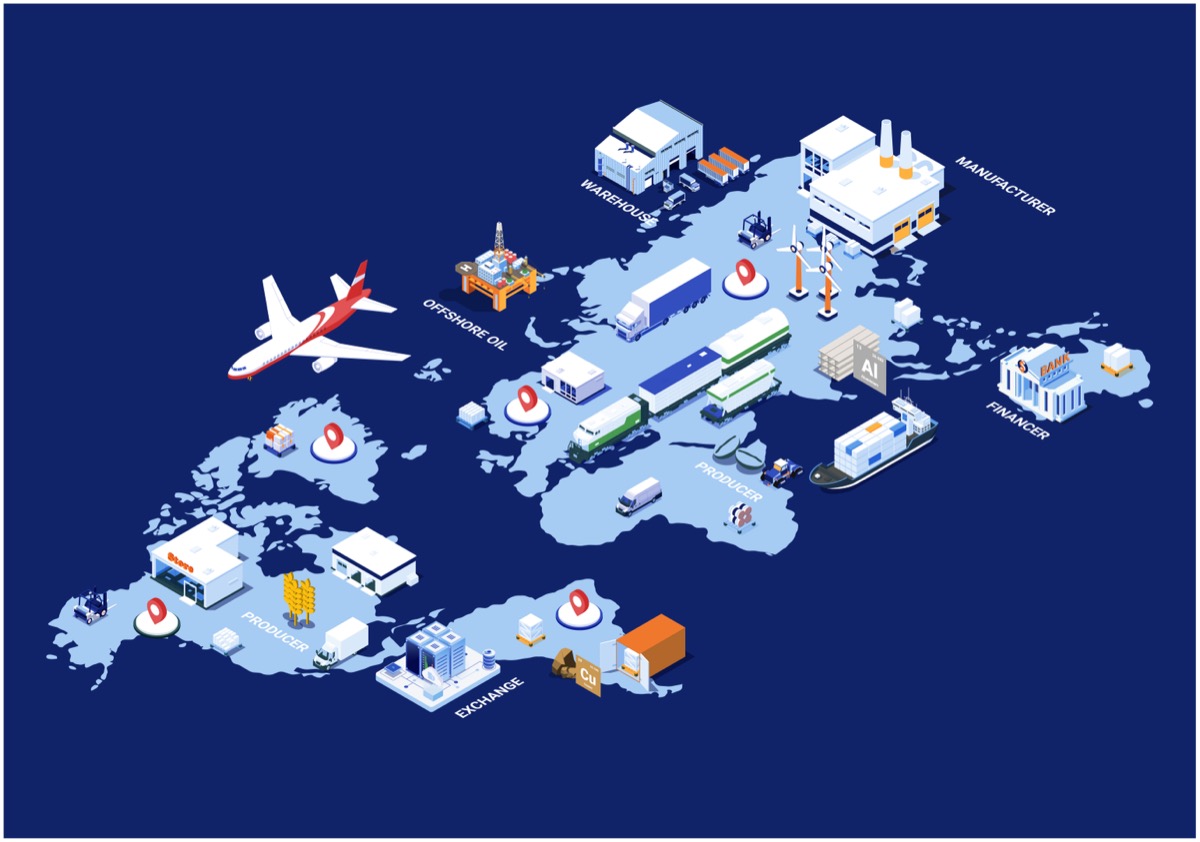
A single basis miscalculation can cost grain merchants thousands of pounds during volatile markets. For most regional elevators, basis trading represents 60-70% of profit margins, yet the majority still rely on Excel spreadsheets to manage these critical price relationships.
What Grain Merchants Actually Need from Basis Trading Software
Grain basis trading differs fundamentally from other commodity operations. You're not just tracking futures positions—you're managing hyper-local pricing relationships between your physical grain and Chicago Board of Trade contracts, often with basis values shifting multiple times per day during harvest.
Effective basis trading software must handle:
- Real-time basis calculations across multiple delivery points and contract months
- Integrated position management linking physical inventory, futures, and options
- Automated margin calls and mark-to-market for exchange-traded positions
- Historical basis analysis to identify seasonal patterns and arbitrage opportunities
- Mobile access for elevator managers pricing grain from the field
The challenge? Most commodity trading and risk management (CTRM) systems were built for oil and gas companies with deep pockets, not grain merchants operating on razor-thin margins.
The Hidden Costs of Manual Grain Trading Operations
Quadmet PTE Ltd, a UK-Singapore metals trader, quantified their pre-CTRM operational burden: 12 hours per shipment in document preparation, 22 separate documents per trade, and 38-day trade processing cycles. After implementing cloud-based commodity management software, they reduced preparation time by 70% (to 3.5 hours), cut documentation by 65%, and shortened trade cycles to 25 days.
For grain merchants, manual processes create multiple cost drains:
- Pricing errors: Manual basis calculations increase error rates, particularly during volatile periods when quick decisions matter most
- Opportunity cost: Delayed position adjustments during market moves can eliminate entire trading margins
- Compliance burden: CFTC reporting requirements demand accurate, timely submissions—manual compilation is both time-intensive and error-prone
- Audit complexity: Spreadsheet-based record-keeping multiplies audit preparation time and increases regulatory risk
Origin Commodities scaled from 50 to 8,000 containers annually after replacing spreadsheets with integrated commodity management software. Their contract processing time dropped from 4-5 hours to 30 minutes, while inventory reconciliation went from 22 hours to a single button click—freeing their team to focus on trading rather than administration.
Modern Alternatives to Legacy CTRM Giants
The commodity software market has been dominated by expensive, complex systems designed for major trading houses. ION Trading (Openlink) deployments typically require £500,000+ in setup fees plus £200,000 annually. Triple Point demands £300,000+ setup with £150,000 yearly licenses. Brady PLC commands £200,000+ setup plus £100,000 annual fees.
These systems made sense when implemented at Glencore or Trafigura, but they're overkill for regional grain elevators handling modest annual volumes.
Cloud-native alternatives now offer 93% lower total cost of ownership while delivering faster deployment. Where legacy systems require 12-18 months for implementation, modern platforms deploy in 4 months average. One grain merchant saved £330,000 annually after switching from legacy CTRM to cloud-based commodity management software.
Essential Features for Grain Trading Operations
Integrated Futures and Physical Tracking: Your basis trading software must seamlessly connect physical grain positions with futures hedges. When you sell 50,000 bushels to a feed mill, the system should automatically suggest hedge adjustments based on your target basis levels.
Mobile Pricing Capability: Grain buyers need to price loads while standing next to combines. Look for platforms with native mobile apps that sync real-time with your main system, not browser-based workarounds that fail in poor connectivity areas.
Automated Compliance Reporting: CFTC Position Reporting requires submission within one business day of month-end. Manual compilation takes hours; automated systems generate reports in minutes while dramatically reducing error rates.
ERP Integration: Your commodity management system must connect to your accounting software without manual data entry. Native connectors to Xero, QuickBooks, or Acumatica eliminate the dual-entry errors that plague merchants using separate systems.
Basis Pattern Analysis: Historical basis data reveals seasonal patterns worth significant profits in improved timing. Software that tracks multi-year basis history for your delivery points can identify optimal buying and selling windows.
Implementation Strategy for Growing Grain Operations
Chocomac Ghana, a 60,000 MT/year cocoa processor, improved operational efficiency by 45% within 4 months of implementing modern commodity management software. Their success followed a proven implementation pattern:
Month 1: Data migration and user training Month 2: Parallel operations with existing systems Month 3: Full cutover for new trades, legacy trade management for existing positions Month 4: Complete system transition
The key insight: don't attempt to migrate historical positions. Focus on forward-looking processes while maintaining legacy systems for existing trades until maturity.
For grain merchants, critical integration points include:
- Scale house data (for accurate inventory management)
- Bank connectivity (for margin call automation)
- Accounting systems (for real-time P&L)
- Weather data feeds (for basis forecasting)
- Exchange connectivity (for automated hedge execution)
The Business Case for Modern Grain Trading Systems
Basis trading software isn't just about replacing spreadsheets—it's about scaling operations without proportional headcount increases. Easy Access Trading, a Brazilian agribusiness firm, increased revenue 15% after implementing trade finance management software without expanding their team. They reduced facility creation time from one week to four hours while saving 40 hours monthly in bank communications.
Proper basis trading software enables growth. You can handle 3-5x transaction volume with the same back-office team, transforming your commodity management system from a cost center into a competitive advantage.
When harvest volumes spike or market volatility creates trading opportunities, software capacity won't constrain your response—your capital and risk appetite will be the limiting factors.
Grain merchants continuing to rely on spreadsheets for basis trading aren't just accepting higher operational costs—they're capping their growth potential. In a business where margins matter and timing determines profitability, modern commodity management software has become essential infrastructure, not optional technology.
Want to learn more about Phlo Systems?
See how our platform digitises international trade for commodity traders, importers, and exporters.
Get Started