
A single weighted current that swells, curls, and tapers into a cyan spark — the trade flow we power: goods, capital, and information moving as one continuous current, terminating in clarity.
Blog
Expert perspectives on commodity trading, customs compliance, trade finance, and supply chain technology.
Why does a commodity trader need a commodity-aware CTRM, not a generic ERP module?
A generic ERP inventory module tracks quantity and average cost, treating a tonne of copper the same as a finished good on a shelf. A commodity trader needs a system that tracks price exposure separately from ownership: index and differential pricing, un-fixed contracts, quality adjustments, hedge exposure, laytime, and letter of credit workability. The CTRM and ETRM vendor market itself is expanding from energy and metals into softs and agri, which is a sign of where the baseline is moving.
Two Sides of One Bushel: managed supply between a flour mill and its merchant
A US flour mill and the grain merchant that supplies it share every bushel: the merchant owns the wheat until it is milled, the mill carries much of its price risk, and an EFP swaps their hedges when a grind contract is written. An illustrative case study of how both run it on opsPhlo.
What is a real-time general ledger, and why does it matter for commodity traders?
Most CTRMs post to the GL overnight, in batch, after the desk has already traded on stale numbers. A real-time GL closes books in days instead of weeks and lets a CFO see today's P&L today. Here's the architectural difference, and why it's hard to bolt onto a legacy system.
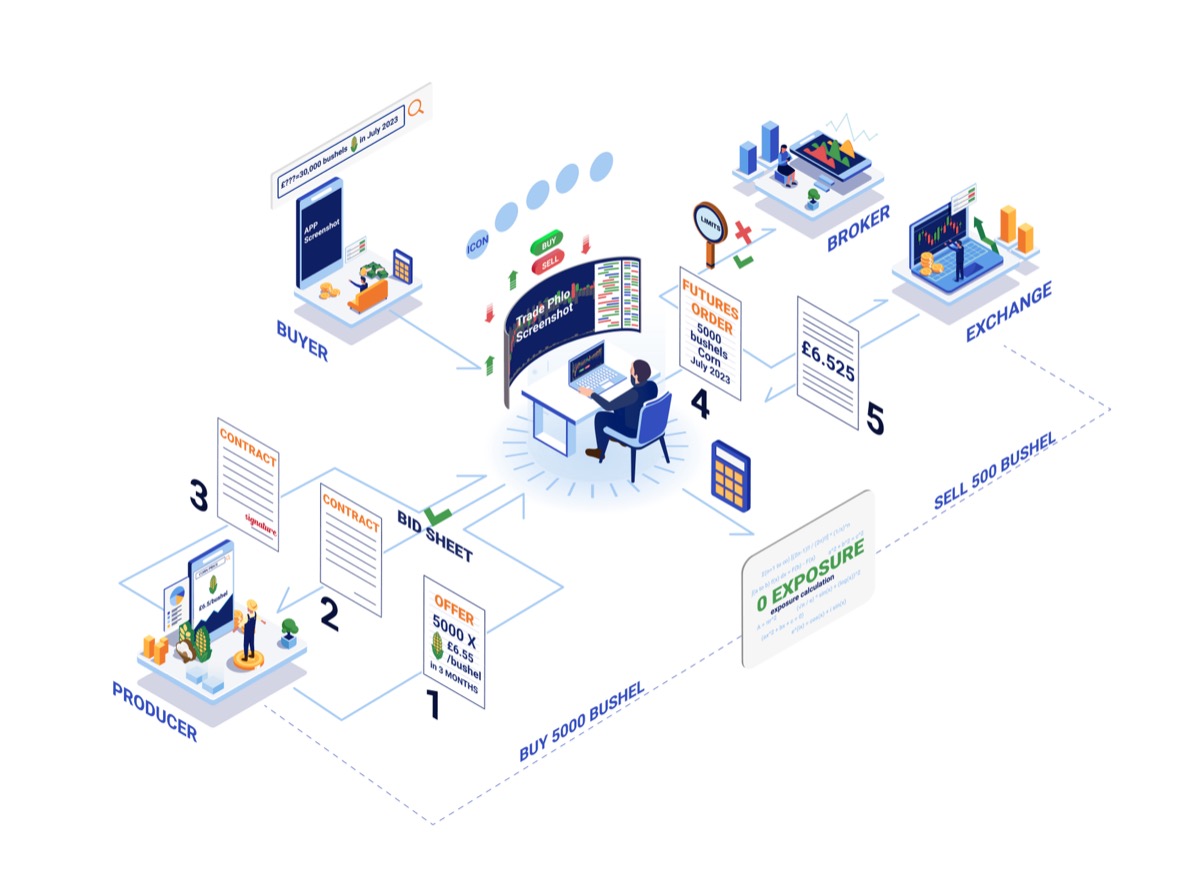
How Do You Check a Letter of Credit Is Workable Before You Present It to the Bank?
First-presentation LC discrepancy rates have sat around 50-70% for years because checking is manual and one-shot. Here's what a workable letter of credit actually requires, and where back-to-back structures make it worse.
Why are most letter of credit presentations refused on first presentation?
ICC surveys have repeatedly found that the majority of documents presented under letters of credit are refused the first time. The causes are structural, not careless. Here is why it keeps happening, what a refusal actually costs, and how disciplined traders present clean.
What is a letter of credit workability review, and when should it happen?
The most expensive letter of credit mistakes are baked in on the day the credit arrives, not on the day documents are presented. A workability review reads the credit against the contract while an amendment still costs nothing but a phone call.
What is a back-to-back letter of credit, and why must the two credits mirror?
A back-to-back structure only works if one cargo and one set of documents can satisfy both credits. Every term where the purchase credit is looser than the sale credit is a gap the middle trader pays for. Here is the mirror discipline, term by term.
MT700, MT707 and the current state of a letter of credit
A letter of credit is not a document. It is a sequence: an MT700 followed by MT707 amendments, and compliance means conformity with the current state of that sequence. Checking documents against the credit as originally issued is checking against something that no longer exists.
Can AI check letter of credit documents?
Large language models are genuinely good at reading trade documents and genuinely unreliable at date arithmetic and completeness. A trustworthy L/C checking system splits the work: the model reads, deterministic code decides. Here is the architecture, and why each piece is where it is.
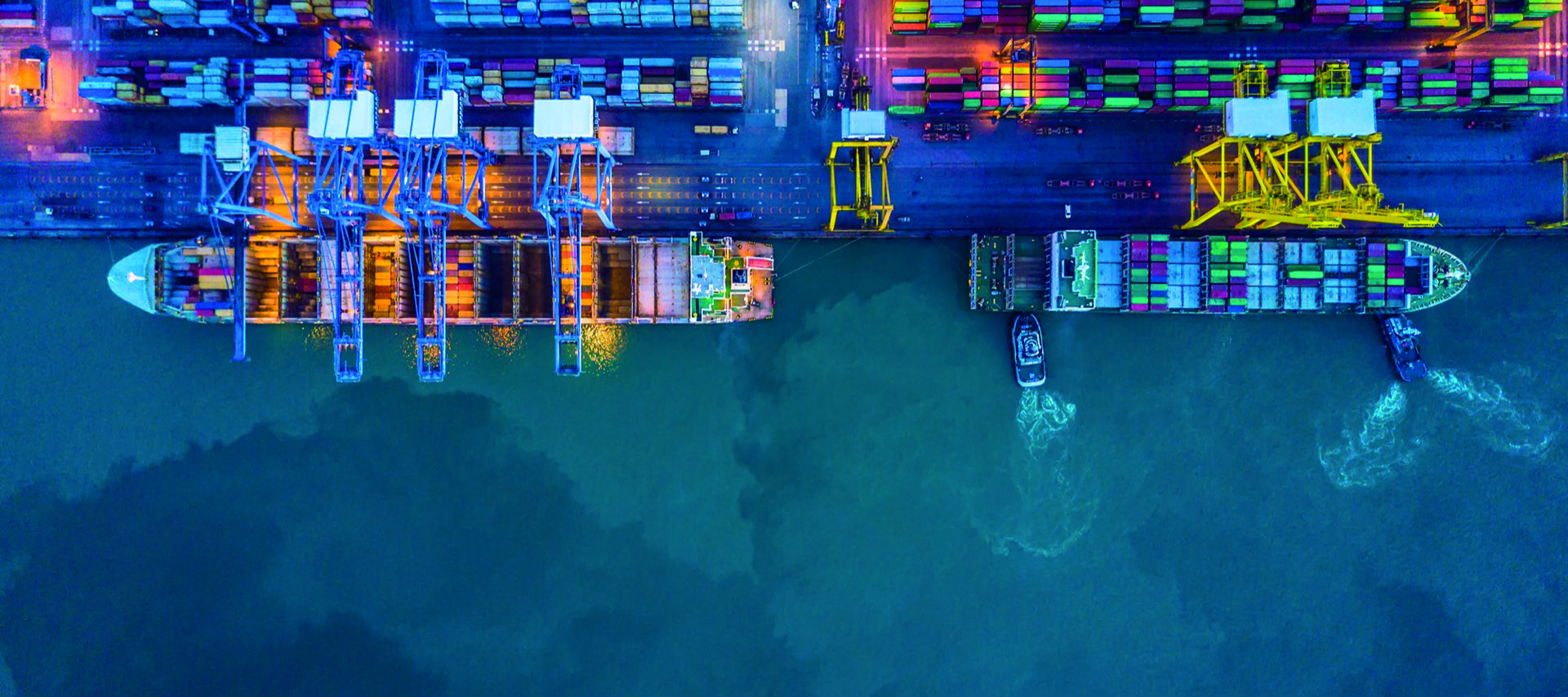
CTRM Systems for Mid-Market Traders: What £500M-Revenue Companies Actually Need
Legacy CTRM vendors price mid-market traders out of the market, then under-serve them anyway. Here's what the right system actually costs—and delivers.
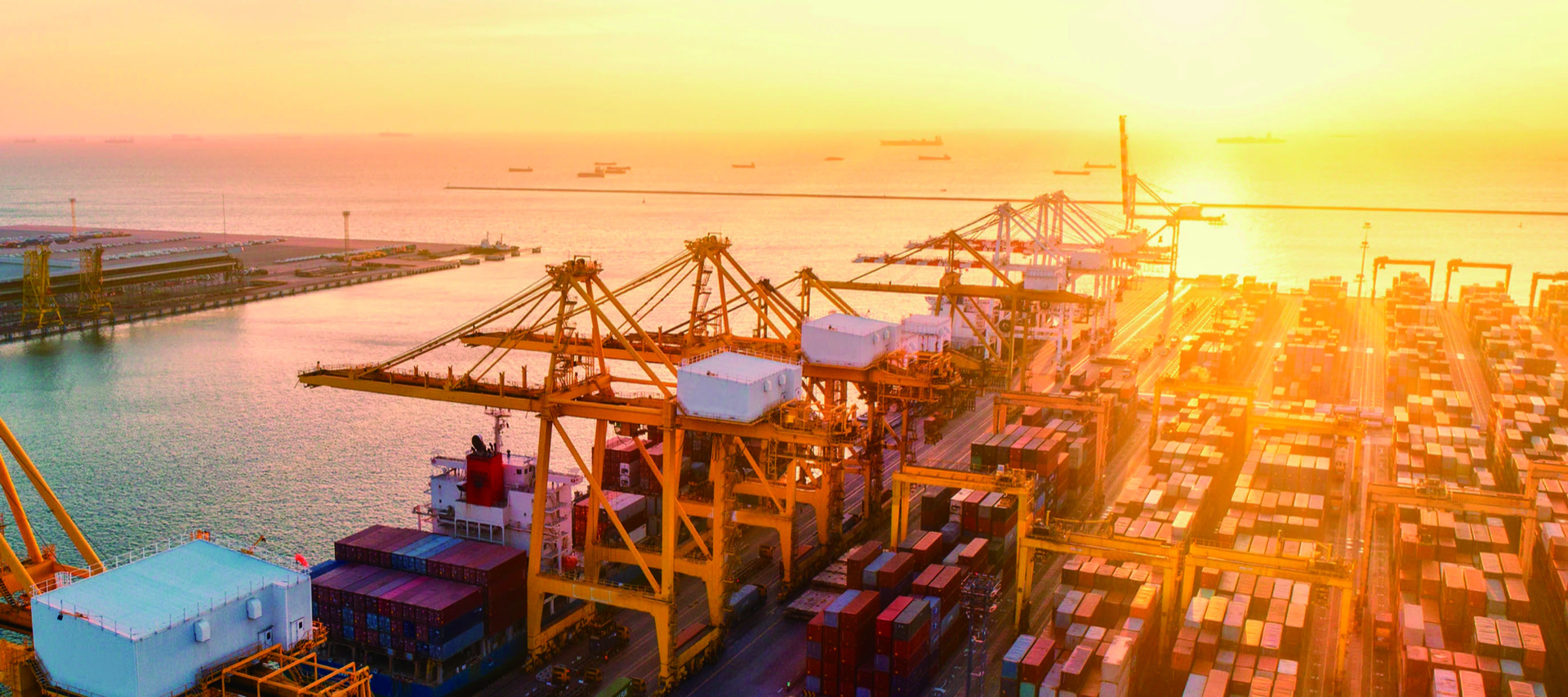
LME Metals Trading Software: What Actually Works in 2025
Most LME metals traders are running £500K+ legacy CTRM systems that were designed for a different era. Here's what modern software actually delivers—and what the numbers say.
ETRM Software for Physical Crude Oil Traders: What Actually Works
Most ETRM platforms were built for paper barrels, not physical crude. Here's what separates capable systems from expensive ones—with real numbers.