
A single weighted current that swells, curls, and tapers into a cyan spark — the trade flow we power: goods, capital, and information moving as one continuous current, terminating in clarity.
Blog
Expert perspectives on commodity trading, customs compliance, trade finance, and supply chain technology.
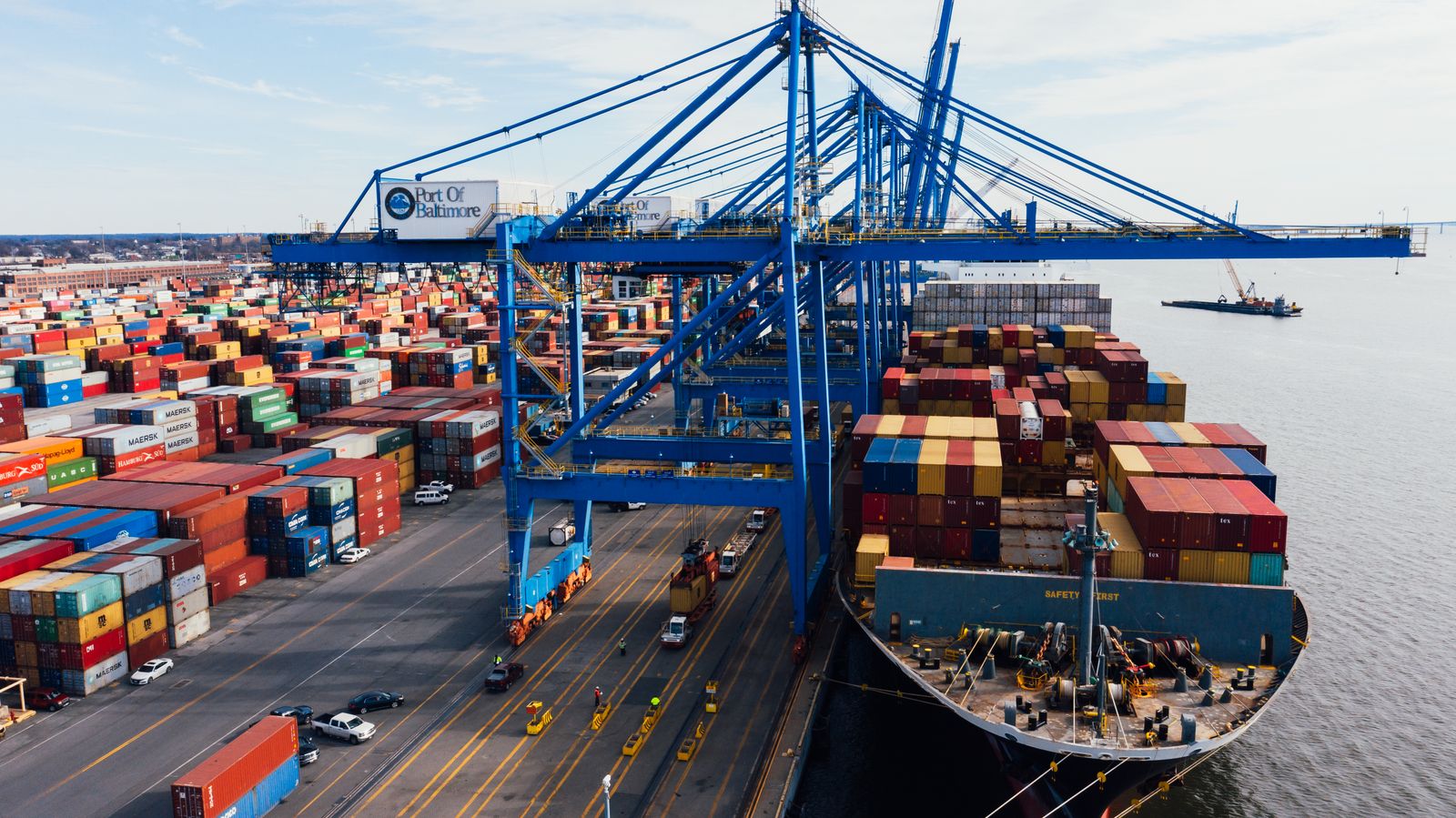
What is a digital bill of lading, and what did MLETR actually change?
A paper bill of lading still has to physically reach the right hands before cargo can be released or payment can move, and for centuries the law gave electronic versions no equivalent standing. MLETR and the UK's Electronic Trade Documents Act changed that. Here is what a digital bill of lading actually is, what the law changed, and what still has to go right for it to work.

Why stitch together five trade finance vendors when one data model does it?
A September 2026 partnership wired two trade finance platforms together over an open API so each could cover ground the other already had a product for. That is the industry's standard answer to “we need more coverage” — bolt another vendor on. For the commodity trader CFO holding four or five lender relationships, the question is who is doing that reconciliation work when the vendors themselves don't.

What does the ISO 20022 migration actually cost a mid-market company?
Banks are spending $20-30 million each on ISO 20022, and analysts put the industry total above $100 billion. For the corporates who now have to restructure addresses and rebuild payment files, there is no published benchmark at all. Here is what the costs actually are, what drives them, and an invitation: tell us what you have been quoted, and we will publish the anonymised picture.
Will your bank reject your payments after 14 November 2026? The ISO 20022 structured-address deadline, explained
From 14 November 2026, payment messages carrying fully unstructured postal addresses will be rejected outright under Swift's CBPR+ rules, and UK banks are writing to corporate customers about it now. Most of those letters bundle two different asks together. Here is what is actually mandatory, what is optional, what a proper migration involves, and why the calendar, not the effort, is the binding constraint.
How does inventory financing differ in transit versus in a warehouse?
A bill of lading and a warehouse receipt look like the same collateral — a pile of commodity the lender can seize if you default. To a lender they are two different risks with two different advance rates. Here is what actually changes when a cargo goes from a vessel to a bonded warehouse, and why most CFOs only find out the hard way.
How does FX hedging work for a commodity trader with mismatched currencies?
Buy in USD, sell in EUR, borrow in GBP — most physical commodity traders run three currency legs on every deal without ever calling it "FX trading." Here is what actually creates the exposure, how the standard hedges work, and why the hedge only protects you if treasury sees the exposure the moment it's booked, not at month end.
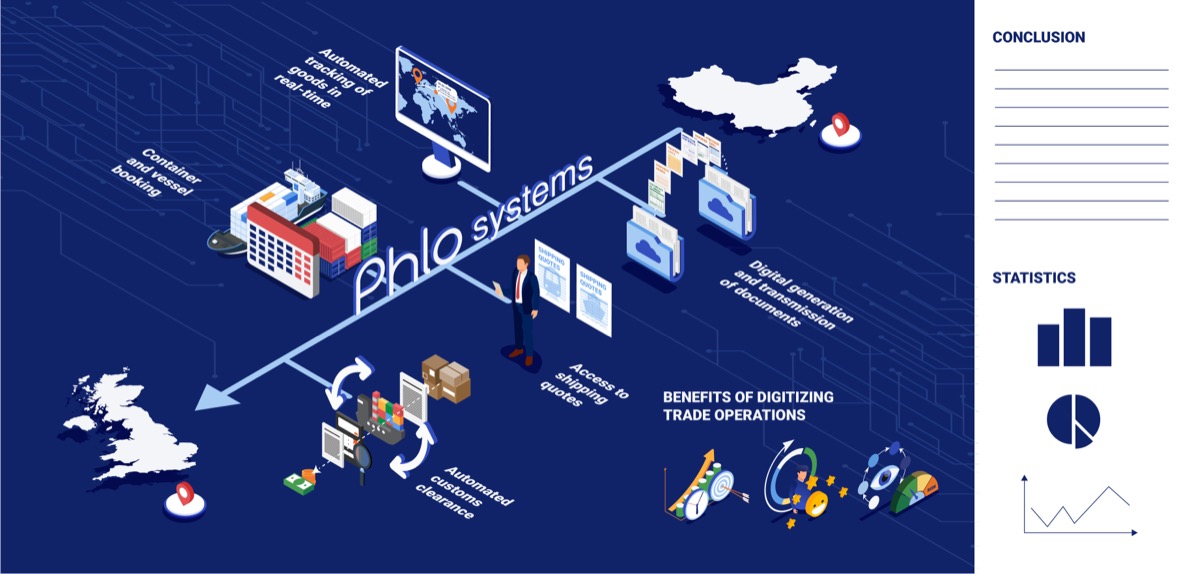
Trade Finance Fund Management Technology: What Actually Works
Most trade finance funds are running on tools built for banks, not for the speed and complexity of commodity lending. Here's what the technology gap is actually costing you.
Working Capital Optimisation in Commodity Trading: What the Numbers Actually Show
Commodity traders lock up 15-25% of revenue in avoidable working capital. Here's how the best-run trading houses are fixing it — with specific numbers.
Commodity Trade Finance Platform: What CFOs Actually Need
Most commodity traders lose 15-25% of working capital to inefficient trade finance cycles. Here's what a purpose-built platform actually solves—and what it doesn't.
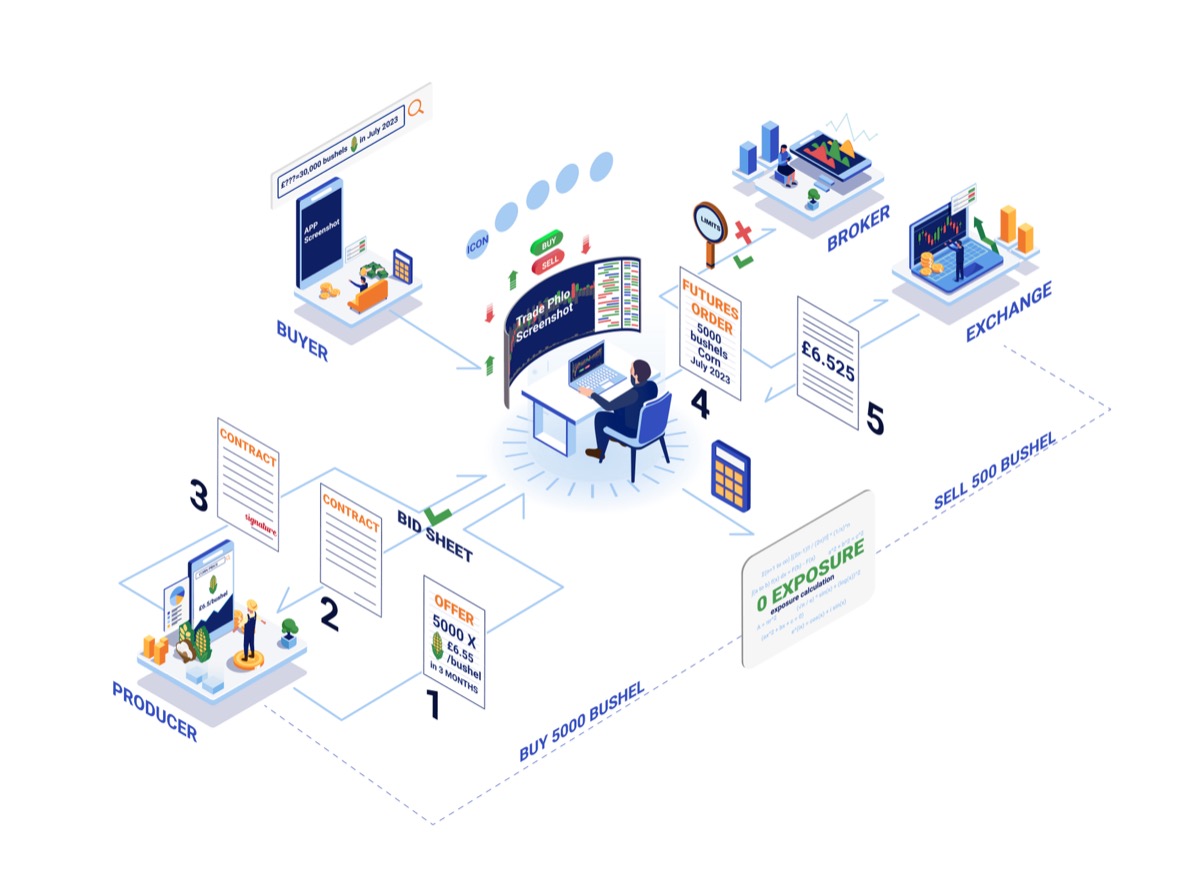
Collateral Management in Trade Finance: What Most CFOs Get Wrong
Collateral management in trade finance is where working capital goes to die — or where it gets optimised. Here's what the data says about doing it right.
Supply chain finance vs letters of credit vs factoring: which is right for a commodity trader?
Letters of credit, factoring and supply chain finance solve different problems. For a commodity trader managing working capital across long cash cycles, picking the wrong instrument is expensive. Here is how they actually differ.
Why Most Commodity Trade Finance Platforms Fail CFOs
Traditional ERP finance modules trap £2.1M in working capital for the average commodity trader. Purpose-built platforms cut DSO by 35% while automating 80% of credit decisions.