
Cloud CTRM vs On-Premise: The £330K Annual Reality Check
Legacy CTRM systems cost commodity traders 93% more than cloud alternatives. Here's what trading houses actually pay for on-premise vs cloud-native platforms.
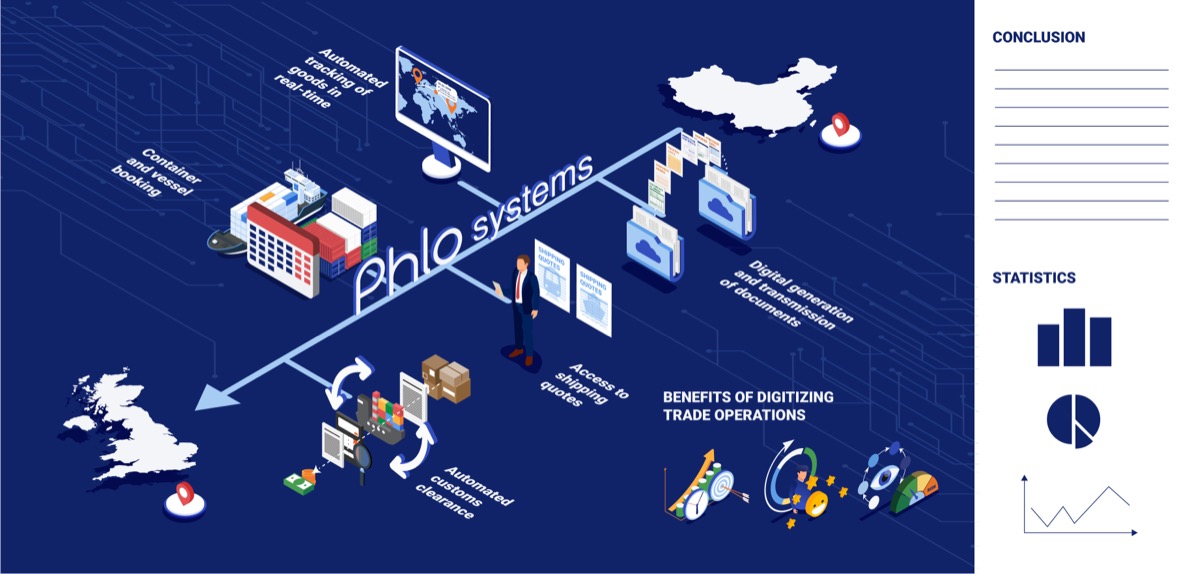
Torq Commodities scaled from 50 to 8,000 containers annually while saving £330,000 per year by replacing their legacy CTRM system with a cloud-native platform. Their story illustrates a broader shift happening across commodity trading houses: the total cost of ownership gap between cloud CTRM and on-premise legacy systems has reached 93%.
This isn't just about software licensing. It's about the hidden operational costs that legacy systems impose on growing trading operations — costs that only become visible when you map out the true economics of commodity trading technology.
The Hidden Economics of Legacy CTRM Systems
Legacy on-premise CTRM systems like ION Trading's Openlink typically require £500,000+ in setup costs plus £200,000 annually in maintenance, consulting, and infrastructure. Triple Point commands £300,000+ upfront with £150,000 yearly operational expenses. Brady PLC sits at £200,000+ setup plus £100,000 annual costs.
But the real expense isn't the licensing. It's the operational overhead.
Quadmet PTE Ltd, a UK-Singapore metals trader, spent 12 hours preparing each shipment documentation before switching to cloud CTRM. Post-implementation, the same process takes 3.5 hours — a 70% reduction that translates to 34 hours saved per week for a trader handling 10 shipments.
At £75 per hour for operations staff (including benefits and overhead), that's £2,550 weekly savings, or £132,600 annually for one trader's workload. Scale that across a 15-person operations team, and you're looking at nearly £2 million in labor cost reduction.
Infrastructure Burden: The £180,000 Annual Tax
On-premise CTRM systems require dedicated IT infrastructure that cloud platforms eliminate entirely. A typical mid-sized trading house running legacy CTRM maintains:
- Primary and disaster recovery servers: £60,000 annually in hardware refresh and maintenance
- Database licensing (Oracle/SQL Server): £40,000-80,000 per year depending on user count
- Network security and backup systems: £25,000 annually
- Full-time IT support (1.5 FTE): £90,000 in loaded salary costs
- Annual system updates and patches: £15,000 in consultant fees
Total annual infrastructure burden: £230,000 minimum.
Cloud CTRM platforms absorb these costs into their SaaS pricing. When Chocomac Ghana, a 60,000 MT/year cocoa processor, deployed cloud CTRM in 4 months, they eliminated their entire on-premise infrastructure budget while achieving 45% operational efficiency gains.
Deployment Speed: Why Time-to-Value Matters in Commodity Trading
Legacy CTRM deployments average 12-18 months from contract signing to full operational use. Cloud CTRM platforms deploy in 4 months on average. This 8-14 month difference represents real lost opportunity cost for growing trading operations.
Consider a trading house adding 2,000 containers annually. Each month of delayed system deployment means manual processing for roughly 167 additional containers. If manual processing costs £200 per container in extra labor (documentation, reconciliation, reporting), each deployment month costs £33,400 in operational inefficiency.
Over a 12-month deployment window, that's £400,800 in cumulative lost efficiency. Cloud deployment reduces this to £133,600 over 4 months — saving £267,200 in time-to-value costs alone.
Scalability Economics: The Container Growth Test
Legacy systems struggle with rapid volume growth. Adding user licenses, increasing database capacity, or expanding geographical coverage requires lengthy procurement cycles and often triggers re-implementation projects.
Torq Commodities' growth from 50 to 8,000 containers exemplifies this challenge. On legacy systems, this 160x volume increase would have required:
- Database re-architecting: £150,000
- Additional user licenses: £80,000
- Performance optimization consulting: £100,000
- Extended downtime for upgrades: £50,000 in lost productivity
Total scaling cost: £380,000.
Cloud CTRM platforms scale automatically. Torq's container volume growth required zero additional licensing fees, no infrastructure changes, and no system downtime. The marginal cost of handling 7,950 additional containers annually was effectively zero.
Integration Reality: ERP Connectivity and Data Flow
Legacy CTRM systems often require custom integration work to connect with modern ERP platforms, accounting systems, and trade finance tools. These integrations cost £50,000-150,000 initially and require ongoing maintenance as both systems evolve.
Cloud-native CTRM platforms typically include pre-built connectors for major ERP systems. When EstoLink implemented cloud CTRM with native Xero integration, they reduced their monthly financial close process from 5 days to 1.5 days — a 70% improvement that eliminated the need for two temporary accounting staff during month-end.
The labor savings alone (2 contractors × 3.5 days × £300 daily rate × 12 months) totaled £25,200 annually, while improving reporting accuracy and reducing audit preparation time by 50%.
The Total Cost Reality: Beyond Software Licensing
When trading houses calculate true total cost of ownership over three years, the gap becomes stark:
Legacy On-Premise (ION Trading example):
- Initial setup and customization: £500,000
- Annual licensing and support: £200,000 × 3 = £600,000
- Infrastructure and IT support: £180,000 × 3 = £540,000
- Integration and consulting: £200,000
- Scaling and upgrade costs: £150,000
- Three-year total: £1,990,000
Cloud CTRM (verified customer data):
- Annual SaaS fee: £45,000 × 3 = £135,000
- Implementation and training: £15,000
- Three-year total: £150,000
Total savings: £1,840,000 over three years, or 92% lower TCO.
This aligns with verified data showing 93% lower total cost of ownership for cloud CTRM versus legacy alternatives like ION Trading, Triple Point, and Brady PLC.
Making the Switch: What Trading Operations Directors Need to Know
The economics clearly favor cloud CTRM, but switching requires careful planning. MacConnal-Mason reduced their CTRM costs by 75% but spent 6 months mapping data migration requirements and training staff on new workflows.
Key switching considerations:
- Data migration timeline: Plan for 2-3 months of parallel running
- User training: Cloud systems are more intuitive, but budget 40 hours per operations staff member
- Integration mapping: Catalog all current system touchpoints before migration
- Reporting transition: Rebuild key dashboards and reconciliation processes
The payback period for cloud CTRM migration averages 8-12 months when factoring in implementation costs against ongoing savings.
Cloud CTRM has moved beyond cost arbitrage to operational necessity. Trading houses running legacy on-premise systems are paying a 93% premium for infrastructure complexity that actively constrains growth. The economics aren't close, and the operational advantages compound over time as trading volumes scale.
Want to learn more about Phlo Systems?
See how our platform digitises international trade for commodity traders, importers, and exporters.
Get Started