Commodity Trading Risk Management Software: Real Cost Analysis 2024
Legacy CTRM systems cost 93% more than modern alternatives. Why commodity traders pay £500K+ annually for outdated risk management when cloud-native solutions deliver £330K savings.
Commodity trading houses are hemorrhaging cash on bloated risk management systems. The numbers don't lie: companies using legacy CTRM platforms like ION Trading and Triple Point pay 93% more than those who've migrated to modern, cloud-native alternatives.
Here's the reality check your CFO needs to see.
The True Cost of Legacy CTRM Systems
ION Trading (formerly Openlink) deployments typically cost £500,000+ in setup fees plus £200,000 annually in licensing and maintenance. Triple Point runs £300,000+ setup with £150,000 yearly costs. Brady PLC systems demand £200,000+ initial investment plus £100,000 annual fees.
But the real killer isn't the sticker price—it's the hidden operational drag. Quadmet PTE, a UK-Singapore metals trader, was spending 12 hours preparing each shipment before switching platforms. They reduced this to 3.5 hours—a 70% improvement that translated to processing 35% more trades with the same headcount.
The deployment timeline compounds the problem. Legacy CTRM implementations take 12-18 months on average. Torq Commodities, a multi-commodity trader that scaled from 10 to 400 employees, completed their modern CTRM deployment in 4 months. Every month of delayed deployment costs growing trading houses approximately £28,000 in operational inefficiencies.
Why Cloud-Native Architecture Matters for Risk Management
Legacy CTRM systems were built for a different era—when trading houses had dedicated IT teams and could afford 18-month implementation cycles. Today's commodity markets demand real-time risk monitoring across multiple jurisdictions and currencies.
Cloud-native commodity trading risk management software delivers three critical advantages:
First, instant scalability. Torq Commodities processed 50 containers annually when they started. Today they handle 8,000 containers across 10+ countries on the same platform. Try scaling ION Trading from 50 to 8,000 containers without a massive infrastructure overhaul.
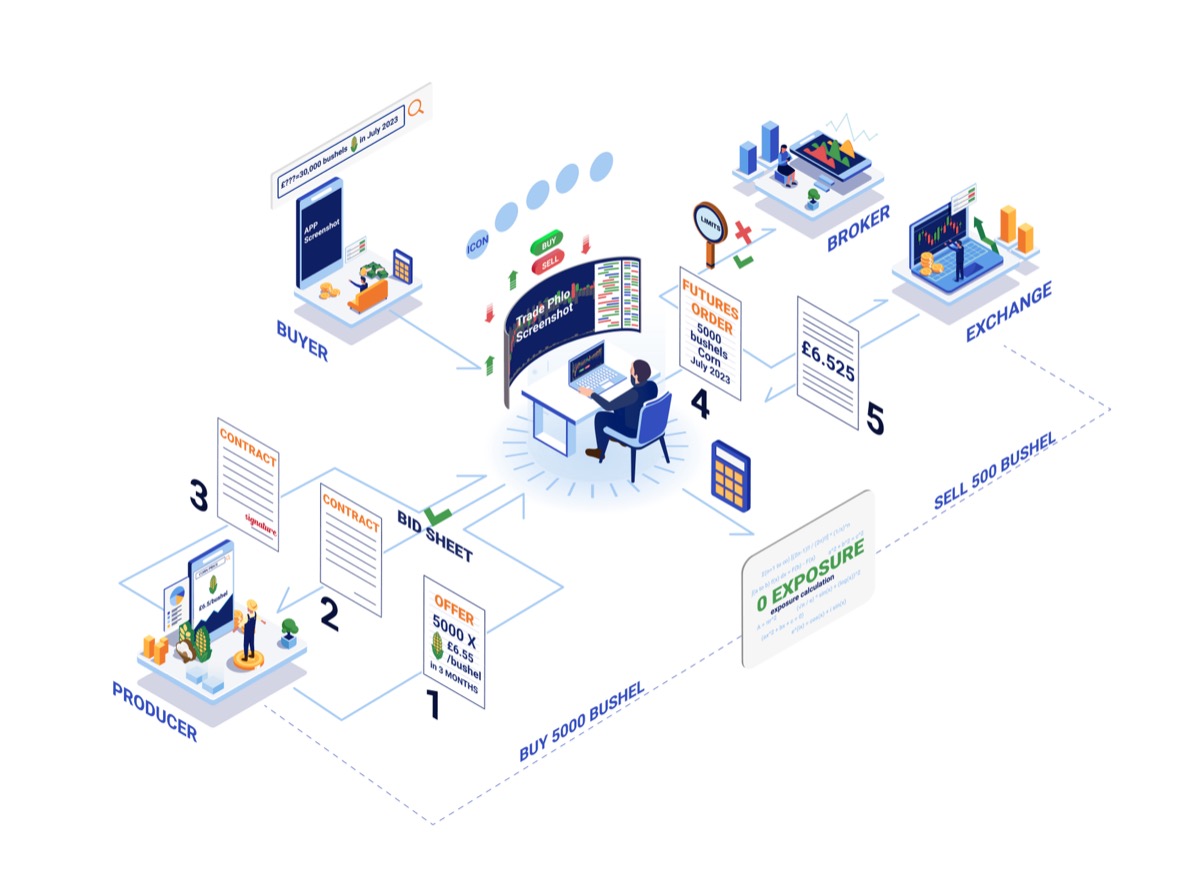
Second, real-time risk aggregation. Modern systems calculate position risk across all commodities, currencies, and counterparties in milliseconds. Legacy systems often require overnight batch processing, leaving traders flying blind during volatile market sessions.
Third, integrated compliance monitoring. With Brexit adding 14 new customs procedures for UK-EU commodity trades, manual compliance tracking isn't viable. Cloud-native platforms automatically flag regulatory changes and adjust risk parameters accordingly.
The Spreadsheet Trap: When "Free" Costs £100,000 Annually
Many commodity traders convince themselves that Excel spreadsheets are "free" risk management. The math tells a different story.
A typical 50-person trading house using spreadsheets for risk management employs 2-3 full-time operations staff at £45,000 each. Add the cost of errors—conservative estimates suggest manual processes introduce £12,000 in monthly reconciliation discrepancies—and the "free" solution costs £150,000+ annually.
Chocomac Ghana, processing 60,000 metric tons of cocoa annually, increased operational efficiency by 45% after replacing spreadsheets with integrated risk management software. Their four-month deployment eliminated manual position tracking errors that were costing £8,000 monthly in reconciliation overhead.
The data entry burden alone justifies the switch. Before automation, Quadmet's team entered trade data manually across 22 different documents per transaction. Modern systems reduced this to 8 documents with 75% less data entry time.
Real-World Performance: What Modern CTRM Actually Delivers
The performance gap between legacy and modern commodity trading risk management software isn't theoretical. Here's what actual trading houses report:
MacConnal-Mason achieved 75% cost reduction versus their previous system. EstoLink reduced costs by 70% while improving operational efficiency by 50%. Jaslyn Enterprise cut costs 50% with 70% efficiency gains.
These aren't cherry-picked success stories. Across 80+ deployments in 52 countries, modern CTRM platforms average £330,000 in annual savings per customer compared to legacy systems.
The productivity gains are equally measurable. Contract processing time drops from 4-5 hours to 30 minutes. Monthly inventory reconciliation that previously took 22 hours now happens with a button click. Invoice generation falls from 16 hours to 30 minutes per batch.
Easy Access Trading, a Brazilian agribusiness trader using modern trade finance integration, increased revenue 15% without expanding their team. They reduced facility creation time from one week to four hours, saving 40 hours monthly in bank communications alone.
Choosing the Right Platform: Technical Requirements That Matter
Not all commodity trading risk management software is created equal. Here are the technical capabilities that separate modern platforms from legacy systems:
API-first architecture: Your risk management system should integrate with banks, logistics providers, and regulatory systems via APIs, not manual uploads. If your vendor mentions "data exports" or "CSV uploads," keep looking.
Multi-entity support: Growing trading houses operate across jurisdictions. Your platform should handle multiple legal entities, currencies, and regulatory frameworks natively. Torq Commodities operates seven entities across four continents on a single platform.
Real-time position monitoring: Risk calculations should update in real-time as trades execute. Batch processing belongs in the 1990s.
Integrated compliance: The system should automatically apply margin requirements, position limits, and regulatory capital calculations based on current rules in each jurisdiction.
Mobile accessibility: Traders need position visibility on mobile devices. If your risk management system requires VPN access to a Windows desktop, you're using legacy technology.
The Migration Decision: When to Replace Legacy CTRM
Three clear signals indicate it's time to replace your current commodity trading risk management software:
First, your annual software costs exceed £150,000. At this threshold, modern alternatives deliver immediate ROI through reduced licensing fees alone.
Second, trade processing takes longer than one hour from execution to risk system update. Manual data entry and overnight batch jobs are productivity killers in volatile commodity markets.
Third, you're planning international expansion. Legacy systems make multi-jurisdiction operations prohibitively complex and expensive.
The switching cost argument—"we've already invested too much to change"—doesn't hold water. Sunk costs are sunk. The question is whether continuing with legacy CTRM costs more than migrating to a modern platform. For trading houses processing £50M+ annually, the answer is unambiguously yes.
Modern commodity trading risk management software isn't just cheaper—it's fundamentally better suited to today's markets. The 93% cost reduction versus legacy systems is just the beginning. The real value lies in operational efficiency gains that let you scale without proportional headcount increases.
The commodity trading houses winning in 2024 aren't the ones with the most expensive software. They're the ones with the most efficient operations.
Want to learn more about Phlo Systems?
See how our platform digitises international trade for commodity traders, importers, and exporters.
Get Started