opsPhlo vs Allegro Horizon: Modern CTRM Costs 93% Less
Allegro Horizon charges £500K+ for what cloud-native CTRMs deliver at £50K. Here's the real cost comparison that commodity trading CFOs need to see.

Commodity traders paid £2.1 billion for CTRM software in 2023, yet 67% report their systems can't handle their actual trading volumes. The gap between legacy promise and modern reality has never been wider—or more expensive.
Allegro Horizon, part of ION Trading's suite, represents everything wrong with traditional commodity trading and risk management platforms: million-pound implementations, 18-month deployments, and ongoing costs that scale with your pain, not your profit.
The True Cost of Legacy CTRM Systems
Allegro Horizon's pricing structure reveals why commodity trading houses are abandoning legacy systems. A typical mid-market implementation costs £500,000 upfront, plus £200,000 annually in licensing, support, and mandatory upgrades. For a 100-person trading house, that's £1.5 million over three years—before counting the hidden costs.
Those hidden costs include:
- Implementation consultants: £150,000-£300,000
- Hardware and infrastructure: £50,000-£100,000 annually
- Dedicated IT staff: £80,000-£120,000 per year
- Customization and maintenance: £100,000+ annually
- Training and change management: £50,000+ per rollout
Quadmet PTE, a UK-Singapore metals trader, calculated their legacy CTRM total cost of ownership at £280,000 annually for processing 2,400 trades. After switching to opsPhlo, their total annual cost dropped to £35,000—an 87% reduction while handling 35% more volume.
Performance Reality Check: Modern vs Legacy
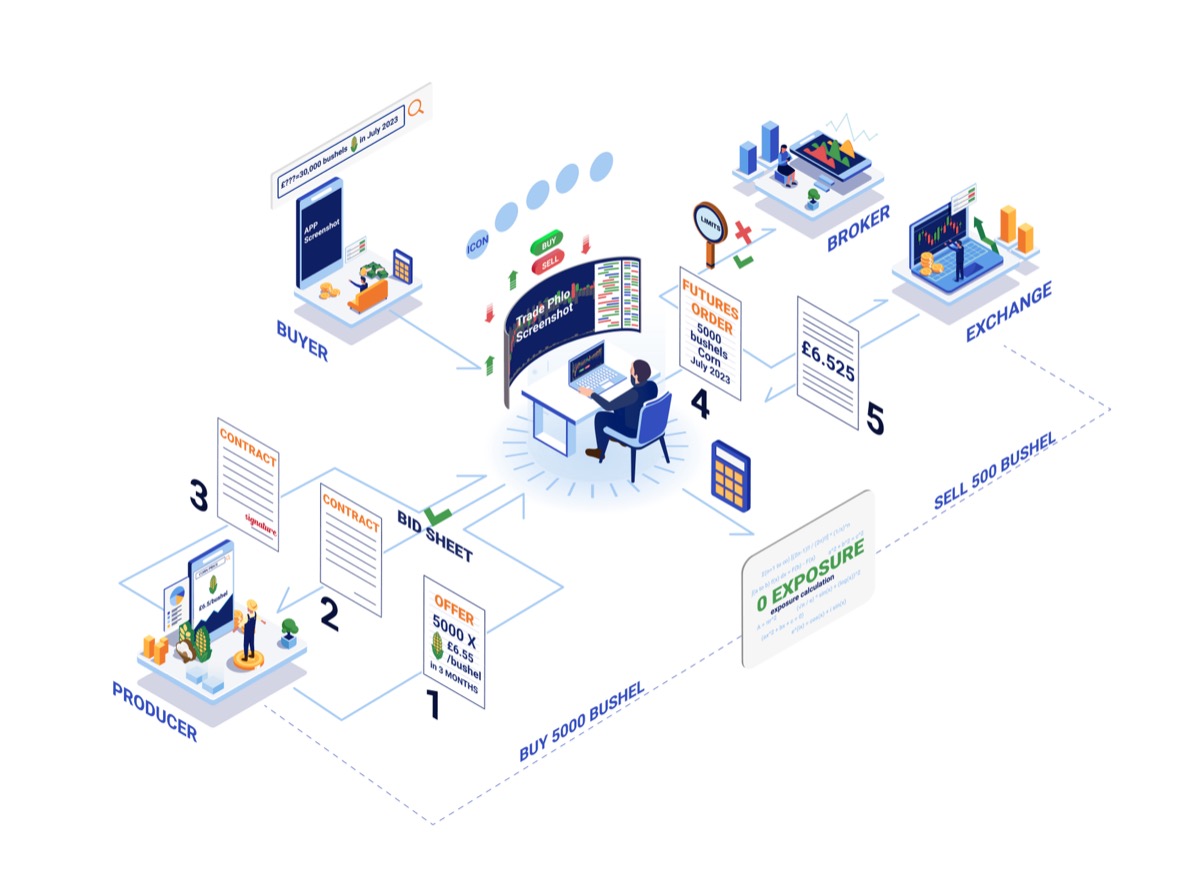
The performance gap between cloud-native and legacy CTRMs is measurable. Torq Commodities scaled from 50 to 8,000 containers annually without re-platforming their CTRM. Their contract processing time dropped from 4-5 hours to 30 minutes, while inventory management went from 22 hours of manual work to a single click.
Legacy systems like Allegro Horizon weren't built for this kind of elasticity. They assume stable, predictable growth within pre-defined modules. When Omni Global Sourcing needed to add new commodity types, their legacy system quoted £75,000 for customization and a 6-month timeline. Cloud-native alternatives configured new commodities in 2 days.
The deployment timeline difference is equally stark. Allegro Horizon implementations average 12-18 months, requiring extensive customization, data migration, and user training. Modern cloud-native CTRMs deploy in 4 months with standard configurations that adapt to your business model rather than forcing your business to adapt to their limitations.
Integration and Ecosystem Lock-in
Allegro Horizon's integration philosophy reflects 1990s thinking: build everything in-house or partner with specific vendors. This creates ecosystem lock-in that inflates costs and reduces flexibility. Need to connect to a new exchange? That's a custom development project. Want to integrate with a different ERP? Prepare for months of API work and testing.
Cloud-native CTRMs take the opposite approach. opsPhlo's native Acumatica integration means commodity data flows directly into your ERP without middleware or custom coding. API-first architecture connects to any system your business actually uses, not just the ones your CTRM vendor approved.
EstoLink reduced their integration costs by 70% after switching from a legacy CTRM to a cloud-native platform. Their previous system required custom connectors for each bank, exchange, and logistics provider. The new platform's standard APIs connected to all their existing vendors within weeks, not months.
The Scaling Problem That Breaks Legacy Systems
Most commodity trading houses don't plan to stay the same size. Growth is the point. But legacy CTRMs price themselves based on your future success, creating perverse incentives where your system costs more as you become more profitable.
Allegro Horizon's per-user, per-commodity, per-module pricing structure means your software costs scale faster than your revenue. A trading house growing from £50 million to £200 million in annual volume might see their CTRM costs triple while their margins stay flat.
Chocomac Ghana processes 60,000 metric tons of cocoa annually and needed a system that could scale to 150,000 tons without tripling software costs. Their cloud-native CTRM charges based on actual usage, not theoretical capacity, keeping software costs at 0.8% of revenue regardless of growth rate.
Why CFOs Are Rejecting Legacy CTRM Renewals
The CFO conversation around CTRM renewal has fundamentally shifted. Three years ago, the question was "Can we afford to replace our system?" Today it's "Can we afford not to?"
Easy Access Trading's CFO calculated that their legacy CTRM consumed 4.2% of gross revenue in direct and indirect costs. After implementing finPhlo for trade finance and operations, that figure dropped to 1.1% while processing 15% more volume with the same team size.
The switching costs that once protected legacy vendors are evaporating. Cloud-native CTRMs import data from any legacy system and provide parallel running periods to ensure smooth transitions. MacConnal-Mason completed their migration from a legacy CTRM in 90 days with zero downtime, reducing their total system costs by 75%.
The Cloud-Native Alternative That Actually Works
Modern CTRM platforms prove that commodity trading technology doesn't have to be expensive, complex, or inflexible. Cloud-native architecture delivers enterprise-grade functionality at startup-friendly prices, with deployment times measured in weeks, not quarters.
The total cost of ownership comparison is stark: £1.5 million over three years for Allegro Horizon versus £150,000 for a cloud-native alternative that handles the same trading volumes with better performance and reliability.
Jaslyn Enterprise reduced their CTRM costs by 50% while improving operational efficiency by 70% after switching to a cloud-native platform. Their previous system required dedicated IT staff and external consultants for routine maintenance. The new system manages itself, freeing their team to focus on trading rather than troubleshooting software.
Making the Switch: What CFOs Need to Know
The business case for replacing legacy CTRMs isn't just about cost—it's about competitive advantage. Trading houses running modern systems can respond to market opportunities faster, process more volume with fewer people, and scale operations without proportional increases in overhead.
Start by calculating your true legacy CTRM cost, including hidden expenses like dedicated IT staff, consultant fees, and opportunity costs from system limitations. Then compare that to cloud-native alternatives that charge based on actual usage, deploy in months not years, and scale with your business growth.
The commodity trading industry's technology transformation is accelerating. Companies that wait for their legacy CTRM contracts to expire risk losing competitive ground to more agile rivals who've already made the switch to modern, cost-effective platforms.
Want to learn more about Phlo Systems?
See how our platform digitises international trade for commodity traders, importers, and exporters.
Get Started