
Physical Commodity Trading: How Modern Software Replaces Spreadsheets
Excel spreadsheets still power billions of dollars in commodity trades. Traders juggle 47 different files to track a single cargo of crude oil. Risk managers manually consolidate position reports from
Physical Commodity Trading: How Modern Software Replaces Spreadsheets
Excel spreadsheets still power billions of dollars in commodity trades. Traders juggle 47 different files to track a single cargo of crude oil. Risk managers manually consolidate position reports from five different time zones. Operations teams spend 60% of their time chasing data instead of optimizing supply chains.
This isn't sustainable. Physical commodity trading has grown too complex for spreadsheet-based workflows, yet many firms resist purpose-built trading software, viewing it as expensive and inflexible. The result? Operational inefficiencies that cost millions annually and expose firms to risks that sophisticated software could eliminate.
Modern physical commodity trading software addresses these pain points systematically. Rather than replacing spreadsheets with more spreadsheets, leading platforms consolidate trade capture, risk management, logistics, and settlement into unified workflows. The best solutions reduce total cost of ownership by over 90% compared to traditional CTRM systems while scaling operations from dozens to thousands of transactions seamlessly.
The Spreadsheet Crisis in Commodity Trading
Physical commodity trading generates enormous data volumes. A single crude oil cargo involves 200+ data points: pricing formulas, laycan windows, demurrage calculations, quality specifications, counterparty credit limits, regulatory compliance requirements, and settlement terms. Multiply this across dozens of simultaneous trades, and Excel becomes a liability.
The hidden costs accumulate quickly. Junior traders spend 3-4 hours daily on data entry and reconciliation. Risk managers wait until noon for overnight position updates from Asian offices. Operations teams manually track vessel movements using outdated spreadsheets shared via email. Settlement teams reconcile invoices against contract terms stored in different systems.
More concerning are the operational risks. Spreadsheet errors cause 88% of all spreadsheets to contain mistakes, according to research by the European Spreadsheet Risks Interest Group. In commodity trading, these errors can trigger margin calls, breach credit limits, or cause expensive delivery failures. A single wrong formula in a crude oil pricing model cost one European trader €3.2 million in 2019.
Version control becomes impossible at scale. Teams share spreadsheets via email, creating dozens of versions with conflicting data. Master agreements stored in shared drives become outdated. Audit trails disappear when traders leave and take their "special" spreadsheets with them. Regulatory reporting requires manual data extraction from multiple sources, consuming days of effort quarterly.
What Modern Commodity Trading Software Actually Does
Purpose-built commodity trading software addresses these problems through integrated data management and automated workflows. Rather than forcing traders to adapt to rigid ERP systems, modern platforms mirror actual trading processes while eliminating manual inefficiencies.
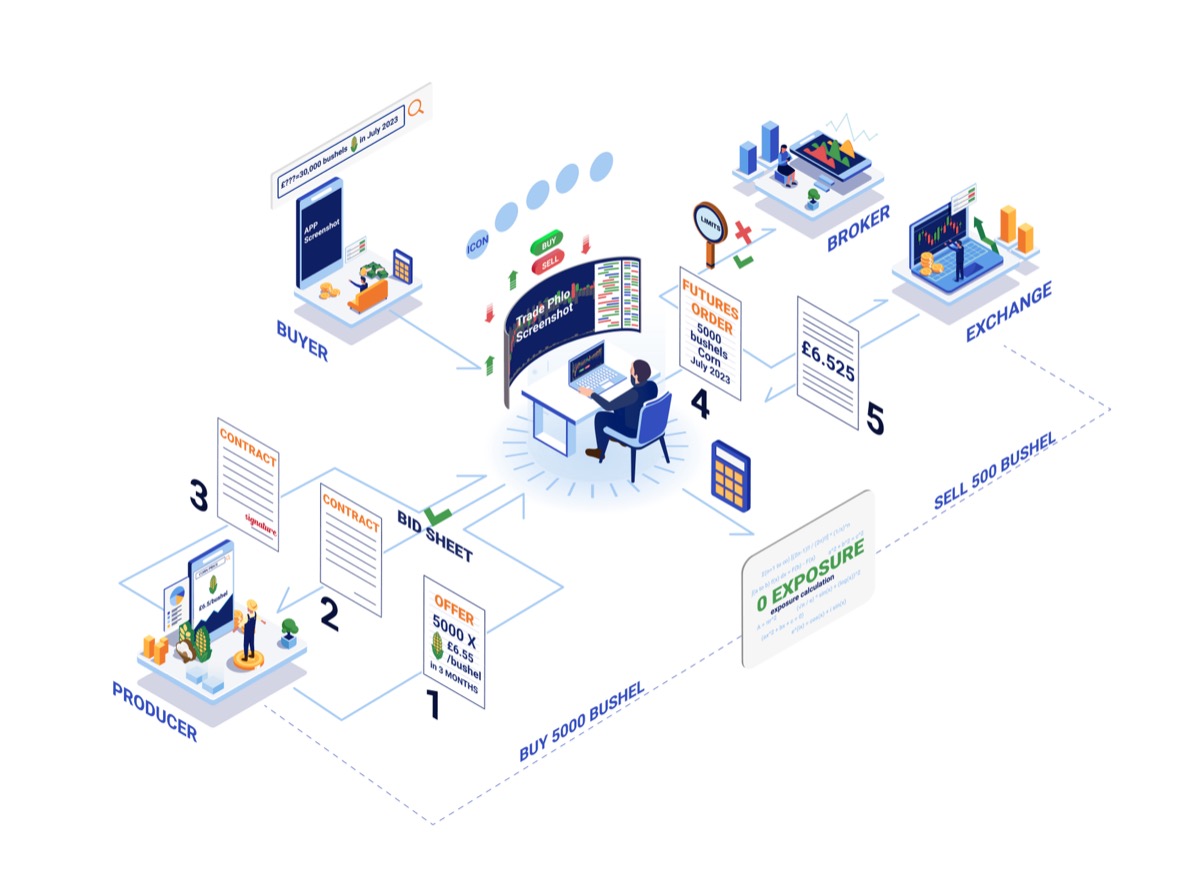
Trade capture becomes systematic. Traders input deal terms once, and the system automatically generates all downstream documentation: confirmations, risk reports, logistics instructions, and settlement schedules. Pricing formulas link to real-time market data feeds, eliminating manual price updates. Contract templates ensure consistency across counterparties and commodities.
Risk management operates in real-time. Position reports update automatically as new trades execute. VaR calculations incorporate the latest market volatility. Credit exposure tracking includes outstanding receivables, pipeline inventory, and forward commitments. Scenario analysis shows potential losses under different market conditions without Excel pivot tables.
Logistics integration connects trading positions to physical movements. Vessel tracking updates automatically from AIS data. Inventory levels sync with terminal systems. Quality certificates upload directly from inspection companies. Demurrage calculations follow laycan terms without manual intervention.
Settlement automation reduces invoice processing time by 70%. The system generates preliminary invoices from confirmed trades, applies pricing formulas automatically, and flags discrepancies for review. Payment terms flow from master agreements. Credit management integrates with accounts receivable to monitor DSO and identify collection issues early.
The Business Case: Quantifying Software ROI
The financial benefits of modern commodity trading software extend beyond obvious efficiency gains. Organizations typically achieve measurable improvements across five key areas within 12 months of implementation.
Operational cost reduction averages 40-60% for most functions. Teams handling 8,000 containers annually operate with the same headcount previously required for 50 containers, representing 160x scaling efficiency. Administrative tasks that consumed 15-20 hours weekly shrink to 2-3 hours through automation. opsPhlo users report average annual savings of £330,000 through reduced manual processing and improved operational efficiency.
Error reduction delivers immediate value. Automated pricing calculations eliminate manual formula mistakes. Integrated workflows prevent settlement disputes caused by data discrepancies. Real-time position reporting catches limit breaches before they become margin calls. One metals trader reduced settlement disputes by 85% within six months of implementing integrated trade management software.
Working capital optimization improves cash flow substantially. Automated invoice generation reduces billing delays from 7-10 days to same-day processing. Credit management tools identify collection issues early, reducing days sales outstanding (DSO). Inventory optimization prevents over-stocking expensive commodities. These improvements typically free up 5-15% of working capital within the first year.
Compliance automation reduces regulatory costs and risks. Automated record-keeping ensures complete audit trails for tax authorities and regulators. Sanctions screening integrates with trade capture to prevent prohibited transactions. Environmental compliance tracking links to cargo documentation and quality certificates. Manual compliance tasks that required 2-3 FTE annually become largely automated.
Scale economics become accessible to mid-market firms. Traditional CTRM systems required 18-month implementations costing millions of dollars, limiting adoption to large trading houses. Modern cloud-based platforms deploy in 6-8 weeks with 93% lower total cost of ownership than legacy systems, making enterprise-grade functionality available to firms trading 50-500 contracts annually.
Key Features That Actually Matter
Effective commodity trading software prioritizes practical functionality over feature checklists. The most valuable capabilities address daily operational pain points rather than theoretical requirements that sound good in RFP responses.
Trade economics modeling handles complex pricing structures accurately. Futures-plus-differential pricing updates automatically from exchange feeds. Multi-component formulas accommodate quality adjustments, freight costs, and currency hedging. Provisional pricing tracks quotational periods and fixing dates. The system should handle any pricing structure traders negotiate without requiring custom development.
Multi-modal logistics support reflects physical trading reality. Rail, truck, pipeline, and vessel shipments require different documentation and tracking mechanisms. Intermodal movements need seamless handoffs between transport modes. Storage costs accumulate during delays. Quality specifications travel with shipments through inspection and blending operations.
Credit and counterparty management integrates with trading workflows. Master agreement terms populate trade confirmations automatically. Credit limits include mark-to-market exposure and outstanding receivables. Netting agreements calculate settlement amounts correctly. Know-your-customer documentation stays current through automated renewal reminders.
Regulatory compliance capabilities adapt to multiple jurisdictions. Position reporting formats match local requirements without manual reformatting. Transaction reporting captures required data fields automatically. Audit trails provide complete documentation for tax authorities. The platform should handle regulations across all jurisdictions where the firm trades actively.
Integration architecture connects to existing systems without expensive custom development. Market data feeds update pricing automatically. Accounting systems receive standardized journal entries. Document management systems store contracts and certificates. Email integration distributes confirmations and reports to appropriate recipients.
Implementation Considerations and Best Practices
Software selection and implementation determine long-term success more than feature comparisons. Organizations that approach commodity trading software as a technology project rather than a business transformation typically achieve suboptimal results.
Requirements gathering should focus on current pain points rather than theoretical needs. Map existing workflows in detail before evaluating software options. Identify which manual processes consume the most time and create the highest error rates. Quantify current costs for operational staff, compliance activities, and system maintenance. This baseline enables accurate ROI measurement post-implementation.
Vendor evaluation requires hands-on testing with real data. Demo environments using sample trades provide limited insight into daily usability. Request pilot programs with actual trading data to evaluate system performance under realistic conditions. Test edge cases: complex pricing formulas, multi-leg transactions, and exception handling scenarios that reveal software limitations.
Change management planning starts during software selection. Identify key stakeholders across trading, operations, risk management, and finance. Develop training programs that address different user roles and technical skill levels. Plan for parallel operations during transition periods to maintain business continuity. Establish success metrics beyond technical functionality to measure business impact.
Data migration strategy affects implementation timelines significantly. Historical trades provide valuable analytics but require extensive cleaning and validation. Master data (counterparties, commodities, locations) must transfer accurately to prevent operational disruptions. Integration with existing systems should maintain data consistency without manual reconciliation.
Vendor support capabilities matter more than initial pricing. Commodity trading operates globally across multiple time zones, requiring responsive technical support. Software updates should enhance functionality without disrupting daily operations. The vendor should understand physical commodity markets, not just software development, to provide meaningful guidance on configuration and best practices.
The Future of Commodity Trading Technology
Technology evolution in commodity trading accelerates beyond traditional enterprise software patterns. Successful platforms increasingly integrate artificial intelligence, blockchain capabilities, and real-time data analytics to address emerging market challenges.
AI applications focus on practical trading problems rather than theoretical possibilities. Machine learning algorithms identify optimal inventory levels based on historical demand patterns and seasonal variations. Predictive analytics flag potential contract defaults before they impact cash flow. Natural language processing extracts key terms from contracts and emails, reducing manual data entry. Smart classification systems categorize customs codes automatically, reducing compliance processing time by 80%.
Blockchain adoption concentrates on document authentication and settlement efficiency. Digital bills of lading reduce financing costs and eliminate document fraud risks. Smart contracts automate settlement when delivery conditions are met, reducing counterparty risk. Tokenized receivables provide access to decentralized finance markets, addressing the $1.7 trillion trade finance gap affecting commodity markets globally.
Real-time analytics enable dynamic decision-making. Live position monitoring prevents limit breaches before they occur. Automated hedging recommendations optimize risk-adjusted returns. Supply chain visibility tracks shipments across multiple transportation modes and jurisdictions. Integration with IoT sensors provides real-time quality monitoring during transit and storage.
Cloud-native architectures enable rapid scaling without infrastructure investment. Multi-tenant platforms spread development costs across user bases, making enterprise functionality accessible to mid-market traders. API-first designs facilitate integration with specialized applications for customs clearance, quality analysis, and regulatory reporting. Mobile-responsive interfaces enable trading and monitoring from any location.
Regulatory technology integration becomes increasingly critical. Automated compliance reporting adapts to changing regulations across 52 countries without manual updates. Sanctions screening updates in real-time as regulatory lists change. Environmental compliance tracking supports ESG reporting requirements. Audit trail automation provides complete documentation for regulatory examinations.
Frequently Asked Questions
How much does commodity trading software typically cost compared to spreadsheet-based operations?
Modern commodity trading software typically costs 60-80% less than maintaining spreadsheet-based operations at scale. While spreadsheets appear "free," they require significant hidden costs: manual labor for data entry and reconciliation, error correction, compliance reporting, and audit preparation. Organizations trading 100+ deals monthly typically spend £200,000-400,000 annually on spreadsheet-related operational costs. Purpose-built software platforms like opsPhlo demonstrate 93% lower total cost of ownership compared to traditional CTRM systems, with users reporting average annual savings of £330,000 through reduced manual processing and improved operational efficiency.
What's the typical implementation timeline for commodity trading software?
Implementation timelines vary significantly between traditional CTRM systems and modern cloud-based platforms. Legacy systems typically require 12-18 months for deployment, including customization, integration, and user training. Modern platforms deploy much faster: 6-8 weeks for standard implementations, 12-16 weeks for complex integrations. The key factors affecting timeline include data migration complexity, number of required integrations, and organizational change management requirements. Organizations with clean master data and clear requirements complete implementations faster than those requiring extensive data cleanup or workflow redesign.
Can commodity trading software handle complex pricing formulas and multi-component deals?
Yes, modern platforms excel at complex trade economics that overwhelm spreadsheets. Effective systems handle futures-plus-differential pricing, multi-component quality adjustments, currency hedging, and provisional pricing mechanisms without custom development. The system should accommodate any pricing structure traders negotiate: average pricing over quotational periods, multiple differential components, freight and insurance adjustments, and quality premiums or discounts. Look for platforms that allow traders to define pricing formulas using familiar terminology rather than requiring IT intervention for each new structure.
How does commodity trading software integrate with existing accounting and ERP systems?
Integration approaches vary between platforms, but modern systems prioritize standard connectivity over custom development. The best platforms provide pre-built connectors for major accounting systems (SAP, Oracle, NetSuite) and generate standardized journal entries that transfer automatically. Key integration points include: trade confirmations flowing to accounts receivable, settlement data updating accounting records, inventory movements syncing with warehouse management systems, and regulatory reports feeding compliance databases. API-first architectures enable integration with specialized systems for customs clearance, quality management, and document storage without expensive custom development.
What are the main differences between cloud-based and on-premise commodity trading software?
Cloud-based platforms offer significant advantages for most commodity trading organizations. Deployment speed: cloud systems go live in weeks rather than months. Cost structure: subscription pricing eliminates large upfront capital expenditure and includes ongoing maintenance and updates. Scalability: cloud platforms handle volume increases without infrastructure investment. Security: reputable cloud providers offer enterprise-grade security that exceeds most organizations' on-premise capabilities. However, some large organizations prefer on-premise deployment for data sovereignty reasons or integration with existing infrastructure. The choice depends on organizational size, technical capabilities, and regulatory requirements in operating jurisdictions.
How do I evaluate whether my organization needs commodity trading software versus continuing with spreadsheets?
Several indicators suggest spreadsheet limitations are constraining growth. Volume thresholds: organizations trading more than 50 deals monthly typically benefit from purpose-built software. Error frequency: regular pricing mistakes, settlement disputes, or compliance issues indicate process breakdown. Time allocation: if traders spend more than 30% of their time on administrative tasks rather than market activities, automation delivers immediate value. Growth constraints: inability to handle additional volume without proportional staff increases suggests system limitations. Risk exposure: lack of real-time position monitoring or credit tracking creates unnecessary operational risks. If your organization experiences multiple indicators, evaluating software options like opsPhlo provides clarity on potential improvements and investment requirements.
Modern commodity trading software represents a fundamental shift from managing complexity to eliminating it. Organizations that embrace integrated platforms position themselves for sustainable growth while reducing operational risks that spreadsheet-based workflows cannot address at scale. If you're evaluating whether your current systems can support continued growth, opsPhlo offers a comprehensive platform designed specifically for physical commodity trading operations — worth examining at opsphlo.com to understand how modern software addresses traditional trading challenges.
Want to learn more about Phlo Systems?
See how our platform digitises international trade for commodity traders, importers, and exporters.
Get Started