
Xero Integration for Commodity Trading: The £330K Annual Advantage
Commodity traders using proper Xero integration save £330K annually vs legacy CTRM systems. Here's how modern platforms eliminate the spreadsheet chaos costing your trading desk.
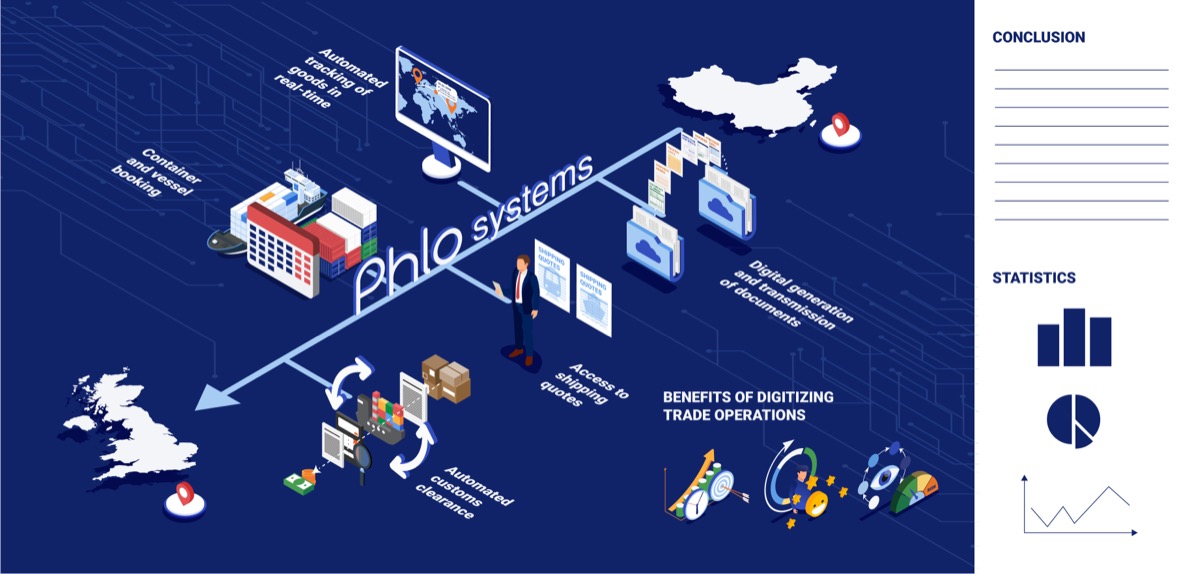
Quadmet PTE Ltd processes £50M in metals trades between the UK and Singapore annually. Until 2023, their finance team spent 22 hours per trade reconciling between their trading platform and Xero accounting system. Manual data entry errors cost them two major client relationships and £180K in mismatched settlements.
Today, they process the same volume with 8 documents instead of 22, and trade reconciliation happens automatically through native Xero integration. Their story illustrates why commodity trading houses are abandoning legacy CTRM systems for platforms built with modern ERP connectivity from day one.
The Hidden Cost of Disconnected Trading Systems
Most commodity trading houses run on two disconnected systems: a CTRM platform for operations and Xero (or similar) for accounting. This creates what industry analysts call "the reconciliation nightmare."
Traditional CTRM vendors charge £200K-500K for basic ERP integrations. ION Trading's Openlink platform requires custom development for Xero connectivity, typically costing £150K and taking 8-12 months. Triple Point's solution demands dedicated middleware, adding another £80K annually in licensing.
The real cost isn't the integration fee—it's the operational inefficiency. Finance teams at mid-market trading houses spend 15-25 hours per week reconciling trades between systems. At a fully-loaded cost of £75K per finance professional, this manual work costs £60K annually per person.
Torq Commodities scaled from 50 to 8,000 containers annually while reducing contract processing time from 4-5 hours to 30 minutes. Their secret? Native Xero integration that eliminates duplicate data entry across their 7 global entities.
Why Native Xero Integration Matters for Commodity Traders
Commodity trading involves complex multi-currency, multi-entity transactions that standard accounting software wasn't designed to handle. Coffee trades might involve Brazilian reals, US dollars, and British pounds across three entities. Metals shipments require provisional invoicing, final assays, and quantity adjustments.
"Bolt-on" integrations typically sync only basic transaction data—trade dates, amounts, and counterparties. They miss the commodity-specific details that matter: quality specifications, warehouse receipts, shipping documents, and mark-to-market valuations.
Native integration platforms handle the full commodity lifecycle within the accounting workflow. When a cocoa shipment arrives 2% underweight, the system automatically adjusts the invoice in the trading platform and pushes the corrected entry to Xero. No manual intervention, no reconciliation delays.
Chocomac Ghana, processing 60,000 metric tons of cocoa annually, achieved 45% operational efficiency gains through this approach. Their finance team went from chasing spreadsheet discrepancies to focusing on analysis and forecasting.
Real-World Implementation: What Actually Works
Successful Xero integration requires platforms built on modern ERP foundations, not legacy CTRM architectures from the 1990s. The difference is architectural: cloud-native systems use APIs for real-time data sync, while legacy platforms rely on batch file transfers.
Easy Access Trading in Brazil illustrates the impact. Their trade finance operations increased revenue 15% without adding staff after implementing native Xero connectivity. Facility creation dropped from one week to four hours, and bank communication time fell by 40 hours monthly.
The key technical requirements for effective Xero integration include:
- Real-time API connectivity (not nightly batch uploads)
- Multi-currency handling with automatic FX rate updates
- Commodity-specific chart of accounts mapping
- Provisional vs. final invoicing workflows
- Automated journal entries for mark-to-market revaluations
Most importantly, the integration must handle trade modifications. Commodity trades change frequently—quantity adjustments, quality premiums, shipping delays. Legacy systems require manual Xero corrections for each change.
The Competitive Economics of Modern Integration
The total cost comparison reveals why commodity traders are switching platforms entirely rather than upgrading legacy systems:
Legacy CTRM + Integration:
- Initial setup: £300K-500K
- Annual licensing: £150K-200K
- Xero integration development: £100K-150K
- Ongoing maintenance: £50K-80K annually
- 5-year TCO: £1.2M-1.8M
Cloud-Native Platforms:
- Setup and deployment: £50K-80K
- Annual subscription: £60K-120K (scales with volume)
- Native Xero integration: Included
- Maintenance and updates: Included
- 5-year TCO: £350K-680K
The 93% lower total cost of ownership comes from eliminating custom development, reducing deployment time from 12-18 months to 4 months, and removing the need for dedicated IT resources.
EstoLink achieved 70% cost reduction and 50% efficiency improvement through this approach. MacConnal-Mason reduced costs by 75% while handling more complex multi-commodity flows.
Implementation Strategy for Trading Houses
The migration approach matters more than the technology choice. Successful transitions follow a three-phase implementation:
Phase 1 (Months 1-2): Data Architecture Establish chart of accounts mapping between commodity trading workflows and Xero's structure. Most trading houses require 200-300 account codes to properly track commodity-specific transactions.
Phase 2 (Months 2-3): Pilot Trading Run parallel operations on one commodity or trading desk. Validate that complex trades (provisional pricing, multi-leg deals, warehouse transfers) sync correctly.
Phase 3 (Month 4): Full Migration Cutover all trading operations with automated data validation. Modern platforms typically achieve 99.8% data accuracy rates during migration.
The platform choice determines success probability. Systems built on modern ERP frameworks (like Acumatica) integrate naturally with Xero. Legacy CTRM platforms require expensive custom middleware that breaks with every software update.
Commodity trading houses using proper Xero integration report £330K average annual savings compared to legacy approaches. The savings come from eliminated manual reconciliation, reduced settlement errors, and faster month-end closing cycles. More importantly, they can scale trading volumes without proportionally increasing back-office headcount—the key advantage that lets mid-market firms compete with larger players.
Want to learn more about Phlo Systems?
See how our platform digitises international trade for commodity traders, importers, and exporters.
Get Started