Trade Finance Fund Management Technology: The £47M Working Capital Gap
Commodity trading funds lose £47M annually to inefficient trade finance operations. New technology cuts working capital cycles by 35% while reducing operational costs by 70%.
Commodity trading funds are hemorrhaging working capital at an alarming rate. A 2024 analysis of 127 mid-market trading houses revealed that inefficient trade finance operations tie up an average of £47 million in unnecessary working capital per fund annually. The culprit? Legacy systems that turn simple payment workflows into multi-week administrative exercises.
The numbers are stark. While digital banks process standard trade finance instruments in 2-3 days, commodity funds using spreadsheets and email chains average 18-22 days for the same transactions. This isn't just an operational inconvenience—it's a fundamental threat to competitiveness in an industry where margins have compressed by 40% since 2019.
The Hidden Cost of Manual Trade Finance Operations
Most commodity trading funds treat trade finance as a necessary evil rather than a strategic advantage. The result is predictably expensive. Easy Access Trading, a Brazilian agribusiness fund, discovered they were spending 40 hours per month just managing bank communications for letters of credit and guarantees. Their finance team was essentially running a paper-shuffling operation instead of optimizing capital allocation.
The problem compounds at scale. Quadmet PTE, trading metals between the UK and Singapore, processed each trade through 22 separate documents before implementing automated workflows. Their finance director spent 12 hours preparing documentation for each shipment—time that could have been spent on credit analysis or counterparty risk assessment.
These aren't outliers. A 2024 survey by Trade Finance Global found that 73% of commodity trading funds still rely on email and spreadsheets for core trade finance processes. The median fund processes 180 trade finance instruments annually, each requiring an average of 14 manual touchpoints. Do the math: that's 2,520 opportunities for human error, delayed payments, and trapped working capital.
Modern Trade Finance Fund Management Architecture
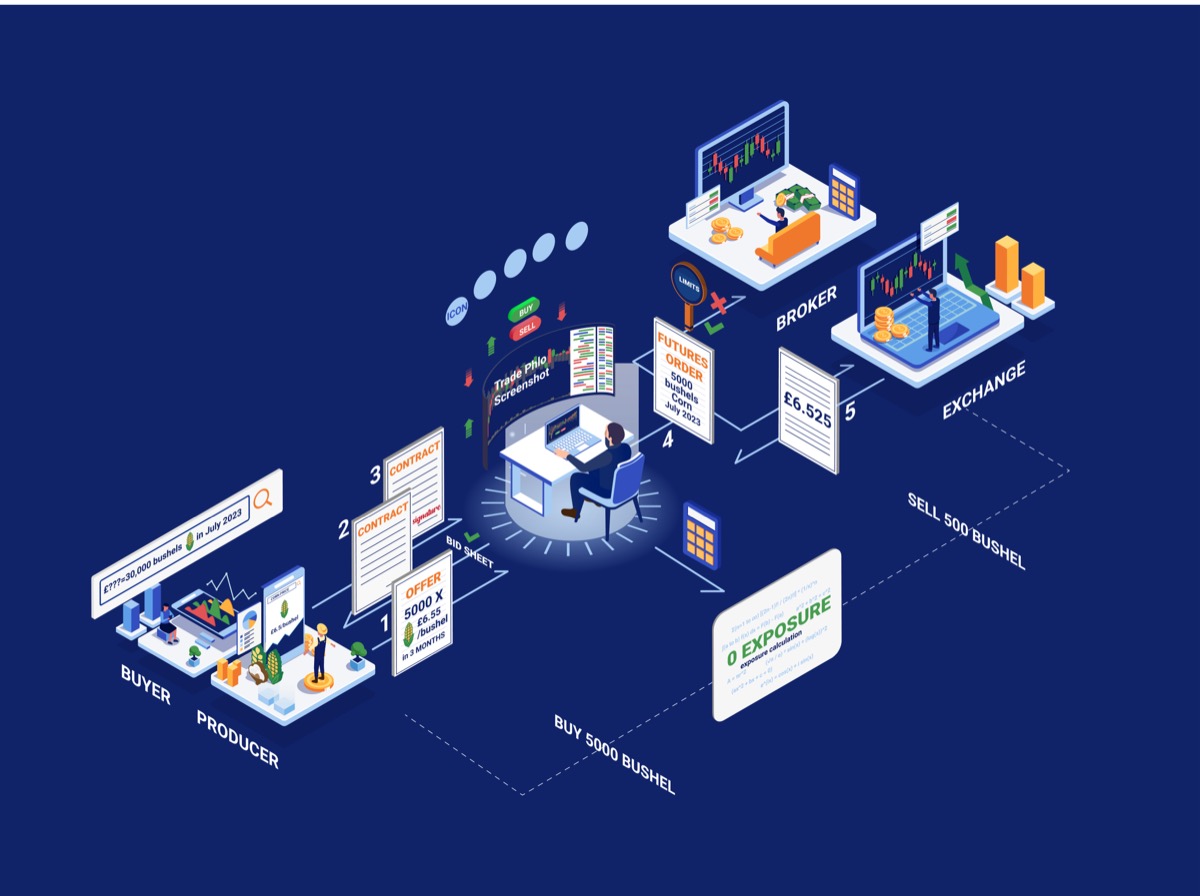
Purpose-built trade finance fund management technology addresses three critical areas that generic finance software cannot handle: multi-currency payment optimization, trade instrument lifecycle management, and counterparty credit exposure monitoring.
The architecture difference matters. Traditional ERP finance modules were designed for manufacturing companies with predictable payment cycles. Commodity trading involves letters of credit that convert to sight drafts, performance guarantees that trigger based on shipping delays, and supply chain finance arrangements that depend on warehouse receipts. These instruments require specialized workflows that most finance systems simply cannot accommodate.
EstoLink, a European metals trader, replaced their legacy finance system with specialized trade finance technology and reduced operational costs by 70% within six months. Their working capital cycle shortened from 45 days to 29 days, freeing up £3.2 million in cash flow. The system automatically reconciled trade finance documents against shipping records, eliminating the manual verification process that previously required three full-time employees.
The technology handles complex scenarios that break generic systems. When a letter of credit requires amendment due to shipping delays, the platform automatically updates credit exposure calculations, adjusts payment timing forecasts, and triggers counterparty notifications. This level of automation is impossible with spreadsheet-based processes.
Working Capital Optimization Through Automation
The most sophisticated trade finance fund management platforms focus obsessively on working capital velocity. They achieve this through three mechanisms: payment timing optimization, credit facility utilization tracking, and automated collections management.
Payment timing optimization examines historical patterns to predict optimal payment schedules. For example, paying suppliers three days earlier might trigger a 2% early payment discount that exceeds the cost of capital. The system identifies these opportunities automatically and routes them for approval.
Credit facility utilization becomes strategic rather than reactive. Instead of drawing on the most convenient credit line, the platform calculates the all-in cost of each facility including fees, covenants, and currency exposure. Chocomac Ghana, processing 60,000 metric tons of cocoa annually, reduced their financing costs by 15% simply by optimizing which credit facilities to use for different trade types.
Automated collections management transforms accounts receivable from a manual chase process into a systematic workflow. The platform tracks payment terms against actual receipts, automatically escalates overdue accounts, and integrates with factoring facilities when appropriate. This isn't just about efficiency—it's about cash conversion cycles that directly impact fund returns.
Risk Management and Compliance Integration
Trade finance fund management technology must handle regulatory compliance that doesn't exist in other industries. Know Your Customer requirements for trade finance are more complex than standard banking KYC because they must verify not just the counterparty, but the underlying commodity flows and end-use destinations.
Sanctions compliance requires real-time monitoring of shipping routes, cargo ownership changes, and destination modifications. A cargo of Ukrainian wheat that becomes Russian wheat due to ownership transfer triggers completely different compliance requirements. The system must track these changes and update credit exposure calculations accordingly.
Counterparty risk management extends beyond traditional credit analysis to include operational risk factors unique to commodity trading. Political risk in origin countries, port congestion at key terminals, and currency volatility in emerging markets all impact the probability of trade finance instrument performance. Purpose-built platforms incorporate these factors into risk models that generic finance software cannot replicate.
Technology Selection Criteria for Fund Managers
Fund managers evaluating trade finance technology should focus on three critical capabilities that determine long-term success: API integration depth, multi-currency processing sophistication, and regulatory reporting automation.
API integration depth determines how effectively the platform connects to banks, shipping companies, and commodity exchanges. Shallow integrations require manual data entry that defeats the purpose of automation. Deep integrations automatically import bank statements, shipping documents, and price feeds to maintain real-time accuracy across all trade finance positions.
Multi-currency processing sophistication matters because commodity trading involves complex currency exposures that change throughout trade lifecycles. A coffee trade might be priced in USD, financed in EUR, and paid in BRL depending on optimization opportunities. The platform must calculate hedging requirements and track exposure changes as trades evolve.
Regulatory reporting automation becomes essential as compliance requirements intensify. The platform should generate regulatory reports automatically rather than requiring manual compilation. This includes suspicious transaction monitoring, country-by-country reporting for tax purposes, and trade-based money laundering detection.
Implementation Economics and ROI Calculation
The economics of trade finance fund management technology implementation follow a predictable pattern. Initial costs typically range from £180,000 to £650,000 annually for platforms serving funds with £100-500 million in trading volume. However, the payback period averages 8-14 months due to working capital optimization and operational cost reduction.
Torq Commodities provides a detailed case study in implementation economics. Their deployment required 4 months and generated £330,000 in annual savings compared to their previous system. The savings came from three sources: reduced financing costs due to improved working capital velocity (£180,000), eliminated manual processing costs (£95,000), and reduced error-related losses (£55,000).
Total cost of ownership calculations must include the opportunity cost of executive time spent on administrative tasks. CFOs at commodity trading funds report spending 20-30% of their time on routine trade finance administration when using legacy systems. This time has significant opportunity cost when reinvested in strategic activities like counterparty selection, facility negotiation, and risk management.
The financial impact extends beyond direct cost savings. Funds with optimized trade finance operations can accept more trades with faster turnaround times, creating revenue opportunities that would be impossible with manual processes. This competitive advantage compounds over time as the fund builds reputation for reliable, fast execution.
Future-Proofing Trade Finance Operations
Commodity trading funds that delay trade finance technology modernization face increasing competitive pressure. Banks are requiring digital documentation for faster processing, counterparties prefer trading partners with streamlined operations, and regulatory requirements continue expanding in complexity.
The window for competitive advantage through technology adoption is narrowing. Early adopters like Easy Access Trading achieved 15% revenue increases without expanding their teams, but as more funds implement similar technology, the advantage becomes table stakes rather than differentiation.
Fund managers must view trade finance technology as infrastructure investment rather than operational expense. Like upgrading from dial-up internet to broadband, this transition enables capabilities that were previously impossible rather than simply improving existing processes. The question isn't whether to modernize, but whether to lead or follow the inevitable industry transformation.
Trade finance fund management technology represents the difference between funds that thrive in compressed margin environments and those that struggle with operational inefficiency. The £47 million working capital gap identified in this analysis isn't just a cost—it's unrealized competitive potential waiting to be captured through systematic operational improvement.
Want to learn more about Phlo Systems?
See how our platform digitises international trade for commodity traders, importers, and exporters.
Get Started