
What is Trade Finance Software? A Complete Guide for CFOs
Trade finance software has evolved from a back-office necessity into a strategic differentiator for companies managing complex international transactions. As global trade volumes reached $32 trillion
What is Trade Finance Software? A Complete Guide for CFOs
Trade finance software has evolved from a back-office necessity into a strategic differentiator for companies managing complex international transactions. As global trade volumes reached $32 trillion in 2023, the gap between manual processes and digital efficiency has become a material risk to cash flow, compliance, and competitive positioning.
This isn't about digitising paperwork. Modern trade finance platforms integrate documentary credits, supply chain financing, working capital optimisation, and regulatory compliance into unified workflows that reduce both operational risk and Days Sales Outstanding (DSO). For CFOs managing multi-million dollar trade portfolios, the choice of platform directly impacts balance sheet efficiency and regulatory exposure.
Understanding Trade Finance Software Architecture
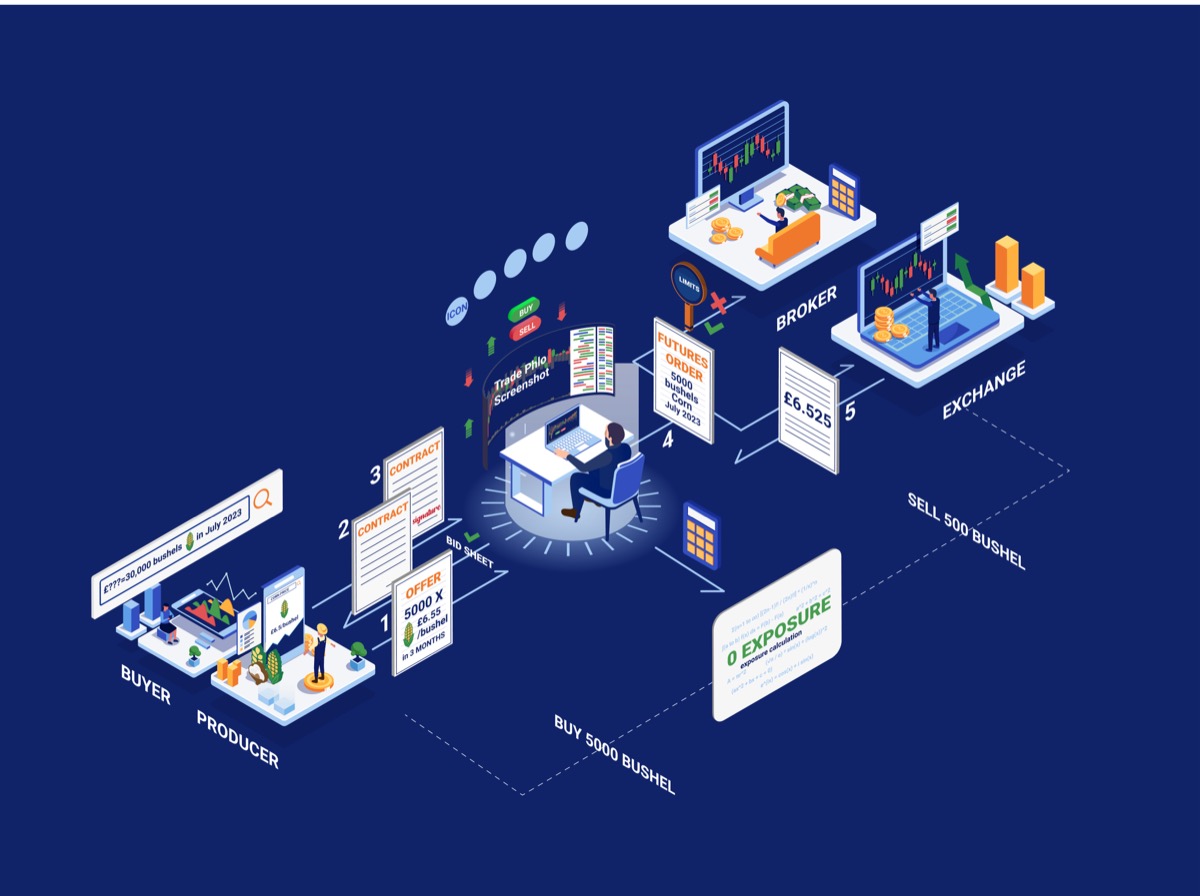
Trade finance software operates across three core layers: transaction processing, document management, and capital optimisation. The processing layer handles letters of credit, bills of exchange, and guarantees through SWIFT integration and bank connectivity. Document management automates the creation, validation, and workflow of trade documents while maintaining audit trails for compliance teams.
The capital layer is where sophisticated platforms differentiate themselves. Working capital optimisation algorithms analyse payment terms, currency exposures, and counterparty risks to suggest optimal financing structures. Some platforms now incorporate tokenised receivables and decentralised finance (DeFi) protocols to access alternative funding sources, addressing part of the $1.7 trillion unmet demand in trade finance globally.
Modern architectures support both centralised treasury operations and distributed trading desks. Cloud-native platforms scale from handling 50 containers to 8,000+ containers without linear cost increases—a 160x scale factor that legacy systems simply cannot match.
Key Features Every CFO Should Evaluate
Documentary Credit Management
Letters of credit remain the backbone of international trade, representing roughly 15% of global trade transactions. Effective software automates LC issuance, amendment processing, and discrepancy management while maintaining real-time visibility into contingent liabilities for balance sheet reporting.
Integration with bank SWIFT networks eliminates manual message handling, reducing processing errors that cost an average of $50,000 per incident in delayed shipments and relationship damage. The best platforms maintain standardised document templates that adapt to country-specific requirements across 50+ jurisdictions.
Working Capital Optimisation
Trade finance software should actively optimise cash conversion cycles, not just track them. Advanced platforms analyse supplier payment terms, customer collection patterns, and currency volatility to recommend financing decisions that minimise cost of capital.
Automated credit management features monitor counterparty risk in real-time, adjusting credit limits and payment terms based on financial data feeds and trade references. This reduces bad debt provisions while maintaining trade volume growth—particularly valuable when managing hundreds of trading relationships across emerging markets.
Compliance and Regulatory Integration
Sanctions screening, anti-money laundering (AML) checks, and customs compliance operate as integrated workflows rather than separate systems. Modern platforms incorporate 588,000+ Harmonised System (HS) codes with AI-powered classification that reduces customs processing costs by up to 80% compared to manual processes.
Free Trade Agreement (FTA) optimisation features automatically identify tariff savings opportunities across bilateral and multilateral trade agreements. Given that FTA utilisation rates average only 67% globally, this represents significant margin improvement for companies with diversified supply chains.
Implementation Strategies for Enterprise Deployment
Legacy System Integration
Most CFOs inherit trade finance operations built on multiple legacy platforms, spreadsheets, and manual processes. Successful implementations follow a phased migration approach that maintains operational continuity while gradually consolidating functionality.
API-first architectures enable gradual data migration without disrupting live transactions. The most sophisticated platforms achieve 93% lower total cost of ownership (TCO) compared to legacy CTRM (Commodity Trading and Risk Management) systems by eliminating redundant infrastructure and reducing manual intervention points.
Change Management and User Adoption
Trade finance teams often resist new systems due to the high stakes nature of international transactions. Effective change management focuses on demonstrating immediate value rather than comprehensive training programmes.
Pilots should target high-volume, standardised transactions where automation benefits are immediately visible. Success metrics should emphasise risk reduction and processing speed rather than feature adoption rates. Teams that see material improvements in their daily workflows become internal advocates for broader system deployment.
Data Migration and Validation
Historical trade data contains the institutional knowledge necessary for credit decisions and relationship management. Migration strategies must preserve this intelligence while cleaning data inconsistencies that accumulate over years of manual processing.
Automated data validation tools identify discrepancies between systems before they impact live transactions. The most critical validation occurs in counterparty data, where inconsistent entity identification can trigger false sanctions alerts or credit limit errors.
ROI Analysis and Performance Metrics
Quantifying Operational Efficiency Gains
Trade finance software ROI typically manifests through reduced processing times, lower error rates, and decreased manual intervention. Leading implementations achieve £330,000+ in annual operational savings through automated workflows and exception-based processing.
Document processing times drop from days to hours when automated validation replaces manual review. Error rates in LC processing fall below 0.1% when template-driven document generation replaces manual drafting. These improvements translate directly into faster cash conversion and reduced operational risk.
Working Capital Impact
The most significant ROI comes from working capital optimisation rather than operational efficiency. Software that actively manages payment timing, currency hedging, and supplier financing can reduce working capital requirements by 15-25% without impacting trading relationships.
Dynamic discounting programmes, early payment discounts, and supply chain finance integration provide immediate cash flow benefits. When scaled across multi-million dollar trade portfolios, these marginal gains generate substantial returns on software investment.
Risk Mitigation Value
Quantifying risk reduction requires longer measurement periods but represents the largest potential value creation. Automated compliance screening eliminates the possibility of sanctions violations that can cost millions in penalties and reputational damage.
Credit monitoring and exposure management prevent concentration risks that manual systems often miss. Real-time visibility into total counterparty exposure across all subsidiaries and trading entities enables more aggressive credit utilisation without proportional risk increases.
Market Landscape and Vendor Selection
Established Players vs Emerging Solutions
The trade finance software market divides between established banking software vendors and emerging fintech platforms. Traditional vendors offer comprehensive functionality but often require extensive customisation and carry legacy architectural limitations.
Emerging platforms like finPhlo focus on specific use cases with modern architectures designed for cloud deployment and API integration. These solutions often deliver faster implementation timelines and more intuitive user experiences, though they may lack the comprehensive functionality of established platforms.
Specialised vs Platform Approaches
Some vendors focus exclusively on trade finance, while others position trade finance as one module within broader ERP or treasury management suites. Specialised platforms typically offer deeper functionality and better user experiences for trade finance teams, while platform approaches provide better integration with existing enterprise systems.
The choice depends on whether trade finance represents a core competency or supporting function. Companies where trade finance directly drives revenue generation typically benefit from specialised platforms, while those with occasional international transactions may prefer integrated modules.
Cloud vs On-Premise Deployment
Cloud deployment has become standard for new implementations due to reduced infrastructure costs and faster deployment timelines. Security concerns that historically favoured on-premise deployments have largely been resolved through enterprise-grade cloud platforms and encryption standards.
Hybrid deployments allow sensitive data to remain on-premise while benefiting from cloud-based processing power and integration capabilities. This approach suits highly regulated industries or companies with specific data sovereignty requirements.
Integration with Modern Treasury Operations
Trade finance software increasingly integrates with broader treasury management platforms to provide unified cash visibility and forecasting. This integration enables more sophisticated hedging strategies and capital allocation decisions based on complete trade pipeline visibility.
Multi-bank connectivity allows treasury teams to optimise financing costs by automatically routing transactions to banks offering the best terms for specific corridors or transaction types. Some platforms now incorporate alternative financing sources, including peer-to-peer lending and tokenised receivables, to access competitive funding rates.
Real-time reporting capabilities support more frequent board-level visibility into trade finance performance and risk exposure. CFOs can monitor key metrics like DSO trends, counterparty concentration, and regulatory compliance status through executive dashboards that aggregate data across multiple entities and jurisdictions.
If you're evaluating trade finance software options, finPhlo offers a modern platform specifically designed for complex international trade operations—worth exploring at finphlo.com for a practical assessment of how contemporary solutions address traditional trade finance challenges.
Frequently Asked Questions
What is the typical implementation timeline for trade finance software?
Implementation timelines vary from 3-6 months for cloud-based platforms to 12-18 months for comprehensive enterprise deployments. The critical path usually involves data migration from legacy systems and integration with existing ERP platforms. Phased implementations that prioritise high-volume transaction types can deliver value within 60-90 days while full functionality rolls out over longer periods.
How does trade finance software handle multi-currency transactions and hedging?
Modern trade finance platforms integrate with FX pricing feeds and hedging platforms to provide real-time currency exposure management. They automatically calculate exposure across all open positions and can trigger hedging recommendations or execute pre-approved hedging strategies. Some platforms incorporate currency forecasting algorithms that optimise hedging timing based on transaction probability and market volatility.
What compliance features are essential for international trade operations?
Essential compliance features include real-time sanctions screening across OFAC, UN, and EU lists, automated export license checking, and country-specific documentation requirements. Platforms should also provide audit trails for all transactions, automated reporting for regulatory filings, and integration with customs systems for duty optimisation. AI-powered HS code classification and FTA eligibility checking can significantly reduce compliance costs and tariff expenses.
How do cloud-based trade finance platforms ensure data security?
Enterprise-grade cloud platforms employ bank-level security including 256-bit encryption, multi-factor authentication, and SOC 2 compliance. Data residency controls ensure sensitive information remains within specified geographic boundaries to meet local regulatory requirements. Most platforms also provide detailed access logging and role-based permissions to maintain control over sensitive trade finance data.
What ROI should CFOs expect from trade finance software investments?
Typical ROI ranges from 200-400% within the first two years, primarily through reduced operational costs and improved working capital efficiency. Operational savings often reach £330,000+ annually for mid-size trading operations through automated processing and reduced manual intervention. Working capital improvements through optimised payment terms and financing arrangements often exceed the direct operational savings, particularly for companies with complex supply chains.
Can trade finance software integrate with existing ERP and accounting systems?
Modern trade finance platforms are designed with API-first architectures that integrate with major ERP systems including SAP, Oracle, and Microsoft Dynamics. Integration typically covers invoice processing, payment initiation, and financial reporting to maintain unified accounting records. The most sophisticated platforms also integrate with treasury management systems and bank platforms to provide end-to-end transaction processing without manual data entry.
Want to learn more about Phlo Systems?
See how our platform digitises international trade for commodity traders, importers, and exporters.
Get Started