
Why Collateral Management Makes or Breaks Trade Finance Deals
Poor collateral management costs commodity traders 12-18% in funding costs. Modern platforms can cut this to 3-5% while reducing exposure risk by 40%.
When Hin Leong Trading collapsed in 2020 with $3.85 billion in hidden losses, investigators found that collateral pledged to multiple lenders was a key factor in the fraud. The scandal highlighted a fundamental weakness plaguing commodity trading: manual collateral management systems that can't prevent double-pledging or provide real-time visibility to lenders.
Effective collateral management in trade finance isn't about tracking physical assets anymore. It's about real-time valuation, automated margin calls, and preventing the double-pledging that has destroyed multiple trading operations in recent years.
The Real Cost of Manual Collateral Management
Traditional collateral management in trade finance operates like this: a trader pledges 50,000 tonnes of wheat stored in Ukraine as security for a $12 million revolving credit facility. The bank requires daily position reports, weekly valuations, and monthly audits. The trader's finance team spends hours each week updating spreadsheets, chasing warehouse receipts, and reconciling positions across multiple systems.
The operational burden is severe. Manual collateral management increases funding costs significantly compared to automated systems. Here's why:
- Reporting delays: Banks charge higher spreads when they can't see real-time collateral positions
- Over-collateralization: Manual tracking leads to excess collateral to buffer against reporting gaps
- Margin call failures: Late margin calls result in costly forced liquidations and damaged banking relationships
Quadmet PTE Ltd, a UK-Singapore metals trader, reduced their collateral management workload by 70% after implementing automated systems. Their preparation time for bank reporting dropped from 12 hours to 3.5 hours per facility, while documentation requirements fell from 22 to 8 documents per trade.
How Modern Platforms Handle Collateral Valuation
The difference between manual and automated collateral management becomes clear when markets move fast. During the March 2022 nickel short squeeze, London Metal Exchange prices moved 250% in 48 hours. Trading houses using manual systems couldn't calculate their collateral exposure quickly enough—creating dangerous blind spots during extreme volatility.
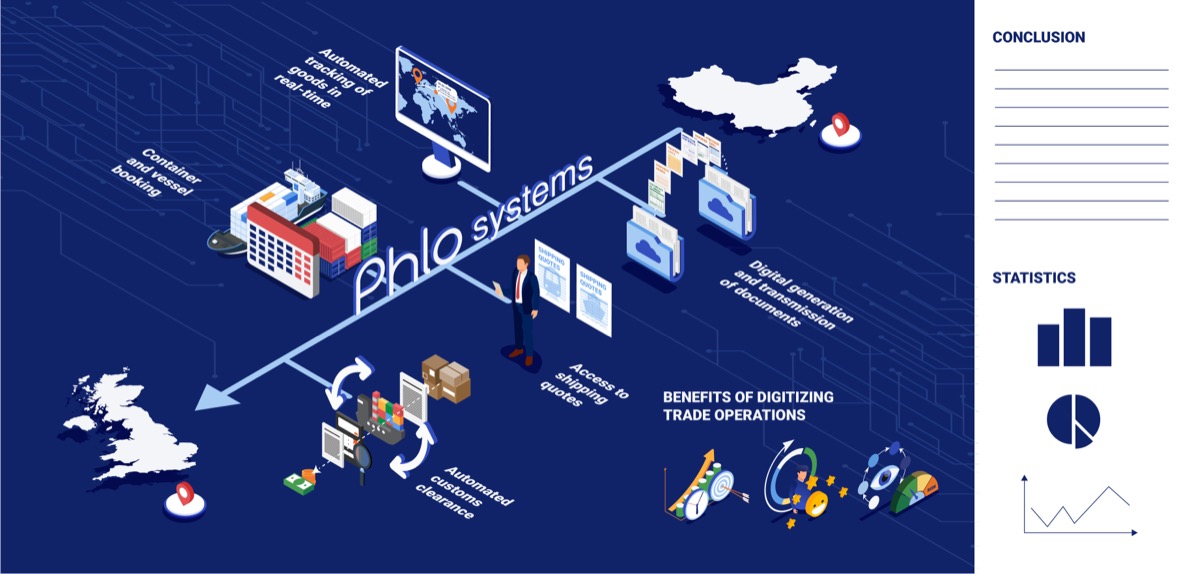
Modern trade finance platforms like finPhlo integrate real-time market data feeds with inventory management to provide continuous collateral valuation. The system automatically:
- Updates collateral values using CME, LME, and ICE price feeds
- Calculates haircuts based on commodity volatility (typically 15% for grains, 25% for base metals, 45% for energy)
- Triggers automated alerts when loan-to-value ratios exceed predetermined thresholds
- Generates daily collateral reports in formats required by different banking institutions
This matters because banks price credit facilities based on their confidence in collateral reporting. Automated collateral management systems typically reduce credit spreads compared to manual processes by providing banks with real-time visibility and control.
The Double-Pledging Problem
The most dangerous risk in trade finance collateral isn't market volatility—it's double-pledging the same assets to multiple lenders. This practice contributed to the collapse of Hin Leong Trading and other major commodity failures in recent years.
Double-pledging happens because most trading houses use separate systems for:
- Bank facility management
- Warehouse receipt tracking
- Invoice financing
- Letters of credit
- Structured trade finance
When the same 10,000 tonnes of soybeans appears as collateral in three different facilities, manual reconciliation might catch the error in weeks—if at all. Automated systems prevent this by maintaining a single source of truth for all pledged assets.
Easy Access Trading, a Brazilian agribusiness operation, eliminated double-pledging incidents entirely after implementing integrated collateral management. Their facility creation time dropped from one week to four hours, while bank communication overhead fell by 40 hours per month.
Integration with Trade Operations
Collateral management can't operate in isolation from trade operations. When a trader sells 5,000 tonnes of corn from their Odessa warehouse, that inventory must be automatically released from collateral calculations. Manual systems create dangerous gaps between trade execution and collateral reporting.
Integrated platforms connect collateral management directly to:
- Contract management systems for trade lifecycle tracking
- Logistics platforms for real-time inventory positions
- Customs systems for duty and VAT calculations
- Risk management tools for position monitoring
Origin Commodities scaled from 50 to 8,000 containers annually while reducing their contract processing time from 4-5 hours to 30 minutes. Their integrated approach meant collateral calculations updated automatically as trades executed, eliminating the reconciliation bottleneck that constrained their previous growth.
Regulatory Requirements Across Jurisdictions
Collateral management requirements vary significantly across jurisdictions, creating compliance complexity for international traders. Under Basel III, banks must apply higher capital charges to trade finance facilities with weak collateral governance—directly increasing funding costs for borrowers.
Key regulatory expectations include:
European Union (CRR II):
- Daily collateral revaluation for material facilities
- Independent verification of warehouse receipts
- Adequate coverage ratios for volatile commodities
Singapore (MAS Guidelines):
- Enhanced reporting for significant facilities
- Regular independent audits of pledged inventory
- Stress testing of collateral values
United Kingdom (PRA Expectations):
- Regular attestation of collateral location and ownership
- Segregation of client assets from proprietary trading inventory
- Proper documentation standards for electronic warehouse receipts
Regulatory failures carry severe penalties. The Monetary Authority of Singapore has imposed significant fines on banks for inadequate collateral monitoring in commodity trade finance.
Measuring Collateral Management Performance
Effective collateral management should be measured by business impact, not just operational metrics. The key performance indicators that matter:
Financial Impact:
- Credit spread reduction through enhanced transparency
- Collateral utilization efficiency (avoiding over-pledging)
- Margin call response time minimization
Operational Efficiency:
- Reporting automation percentage
- Exception handling rate
- Audit preparation time
Risk Management:
- Double-pledging prevention
- Valuation accuracy maintenance
- Stress test performance under volatile conditions
The most sophisticated operations achieve substantial annual savings per facility through optimized collateral management, primarily through reduced funding costs and improved capital efficiency.
Collateral management will determine which commodity traders survive the next market crisis. Manual processes that worked when credit was cheap and markets were stable become fatal weaknesses when funding costs spike and volatility surges. The traders investing in modern collateral management systems today are building the infrastructure that will define competitive advantage for the next decade.
Want to learn more about Phlo Systems?
See how our platform digitises international trade for commodity traders, importers, and exporters.
Get Started