
A single weighted current that swells, curls, and tapers into a cyan spark — the trade flow we power: goods, capital, and information moving as one continuous current, terminating in clarity.
Blog
Expert perspectives on commodity trading, customs compliance, trade finance, and supply chain technology.

Coffee Trading Software: Managing Green Bean Procurement to Roastery Delivery
The global coffee trade moves 10 million tonnes of green beans annually, worth roughly $20 billion at origin. Yet much of this trade still runs on Excel spreadsheets, WhatsApp messages, and email chai
CTRM for SMB Traders: Why Enterprise Solutions Like ION Are Overkill
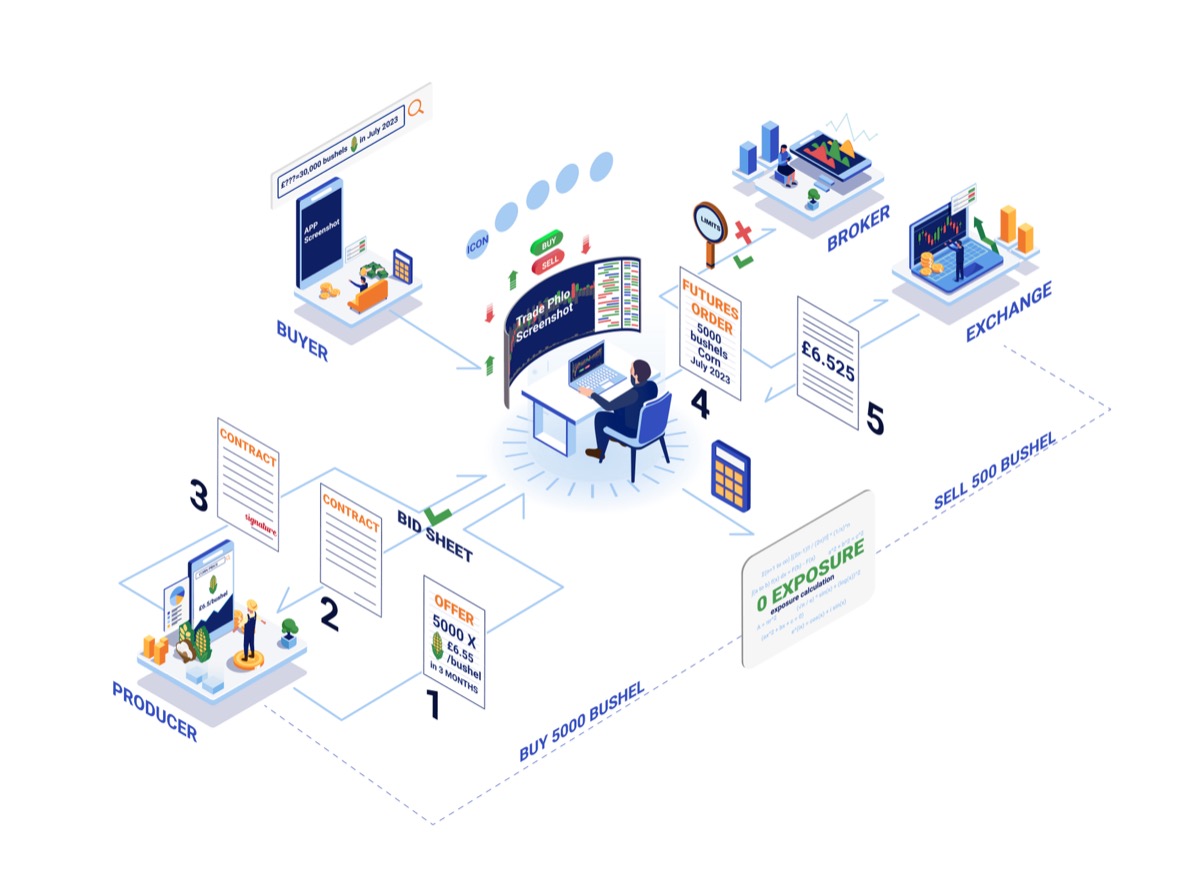
The commodity trading technology landscape has a dirty secret: most CTRM (Commodity Trading and Risk Management) systems were designed for the Glencores and Trafiguras of the world, not the thousands

Best CTRM Software 2026: opsPhlo, ION, Triple Point, Brady Compared
The commodity trading and risk management (CTRM) software landscape has undergone significant consolidation over the past decade, yet many traders still operate on systems built for a different era. A
opsPhlo vs Openlink (ION): Total Cost of Ownership Analysis
The commodity trading and risk management (CTRM) software market presents a stark choice: continue with established but expensive legacy solutions, or embrace modern alternatives that promise dramatic

opsPhlo vs Brady PLC: Modern CTRM vs Legacy Risk Management
The commodities trading and risk management (CTRM) software landscape is undergoing its most significant transformation in two decades. Traditional players like Brady PLC's trading solutions, which ha

opsPhlo vs Triple Point: Feature-by-Feature Comparison for Physical Commodities
Physical commodity trading demands systems that can handle complex logistics, multi-jurisdiction compliance, and real-time position management across thousands of contracts. While Triple Point has dom
opsPhlo vs ION Trading: Which CTRM System is Right for Mid-Market Traders?
The commodity trading technology landscape has crystallised around a few dominant players, with ION Trading commanding significant market share through aggressive acquisition of legacy systems like Tr
How to Reduce Commodity Trading Operational Costs by 93%
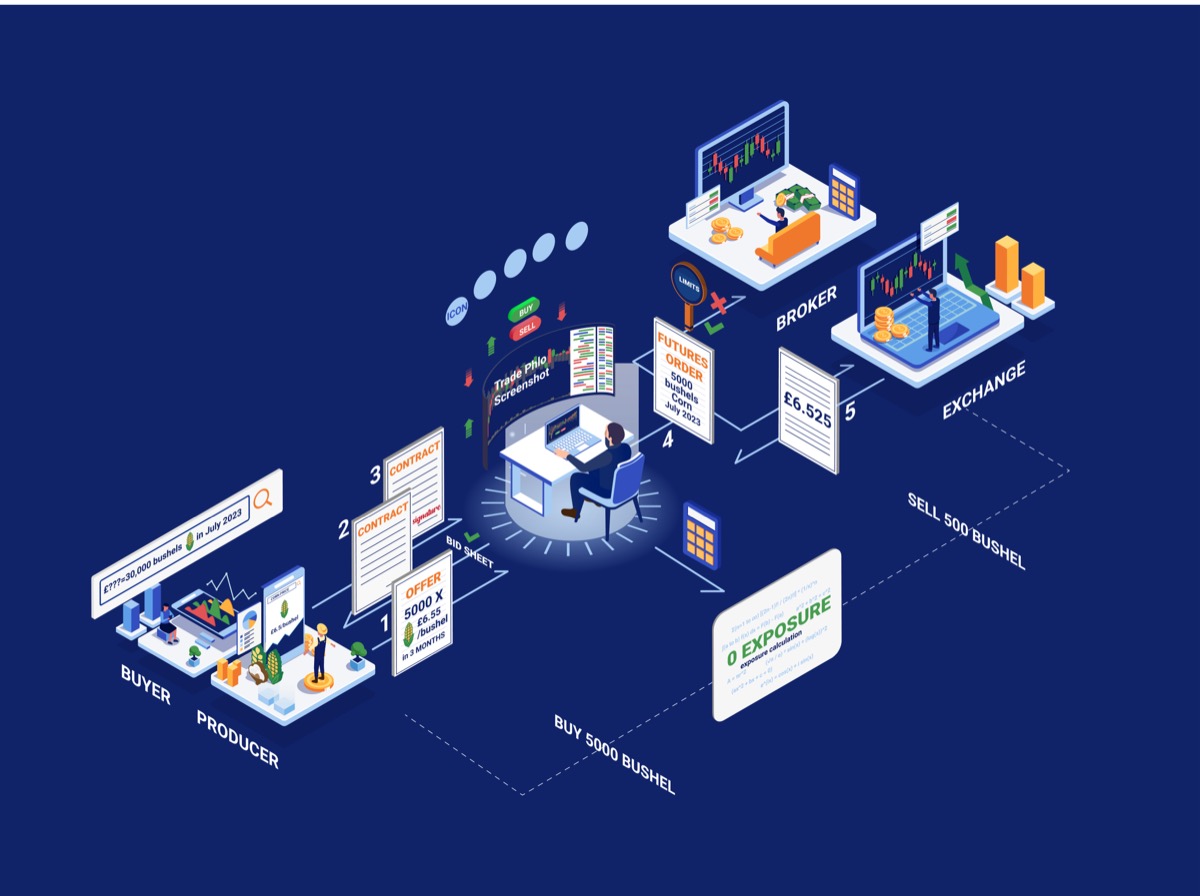
The commodity trading industry faces an operational cost crisis that threatens margins across the board. While traders focus on market volatility and geopolitical risks, the silent killer often lurks
How to Track Shipments and Logistics in Your Commodity Trading System
Physical commodity trading lives or dies on logistics execution. A cargo of Brazilian soybeans that sits at Santos for three weeks because of documentation delays doesn't just cost demurrage—it can to
How to Set Up Automated Hedge Recommendations for Physical Commodities
Physical commodity traders face a fundamental challenge: managing price risk across complex supply chains while maintaining operational efficiency. Traditional hedging approaches—spreadsheets, manual
How to Migrate from Spreadsheets to a CTRM Platform Without Losing Data
Most commodity trading houses still run on spreadsheets. A 2023 industry survey found that 67% of mid-market trading firms manage positions, P&L, and risk calculations using Excel or Google Sheets. Th
How to Choose a CTRM System: 15 Questions to Ask Before You Buy
Commodity trading houses burn through CTRM systems like oil tankers burn bunker fuel. The industry graveyard is littered with failed implementations: £2-5 million deployments that took three years, de