
A single weighted current that swells, curls, and tapers into a cyan spark — the trade flow we power: goods, capital, and information moving as one continuous current, terminating in clarity.
Blog
Expert perspectives on commodity trading, customs compliance, trade finance, and supply chain technology.

opsPhlo vs Aspect CTRM: A Direct Comparison for 2026
An honest, mid-market comparison of opsPhlo and Aspect Enterprise Solutions: where each CTRM wins, the real difference in cost and go-live time, and how a £10M–£500M physical commodity trading house should decide.
How long should a CTRM implementation take, and why do legacy projects run 12 to 18 months?
Legacy CTRM implementations average 12 to 18 months. That timeline is a choice the architecture makes for you, not a law of physics. Here is what actually drives it, and why a modern cloud platform goes live in weeks.

Commodity Trader CFO Software Requirements: Beyond Spreadsheets
CFOs at commodity trading houses face a £330K annual cost gap between manual systems and modern CTRM platforms. Here's what finance leaders actually need from trading operations software.
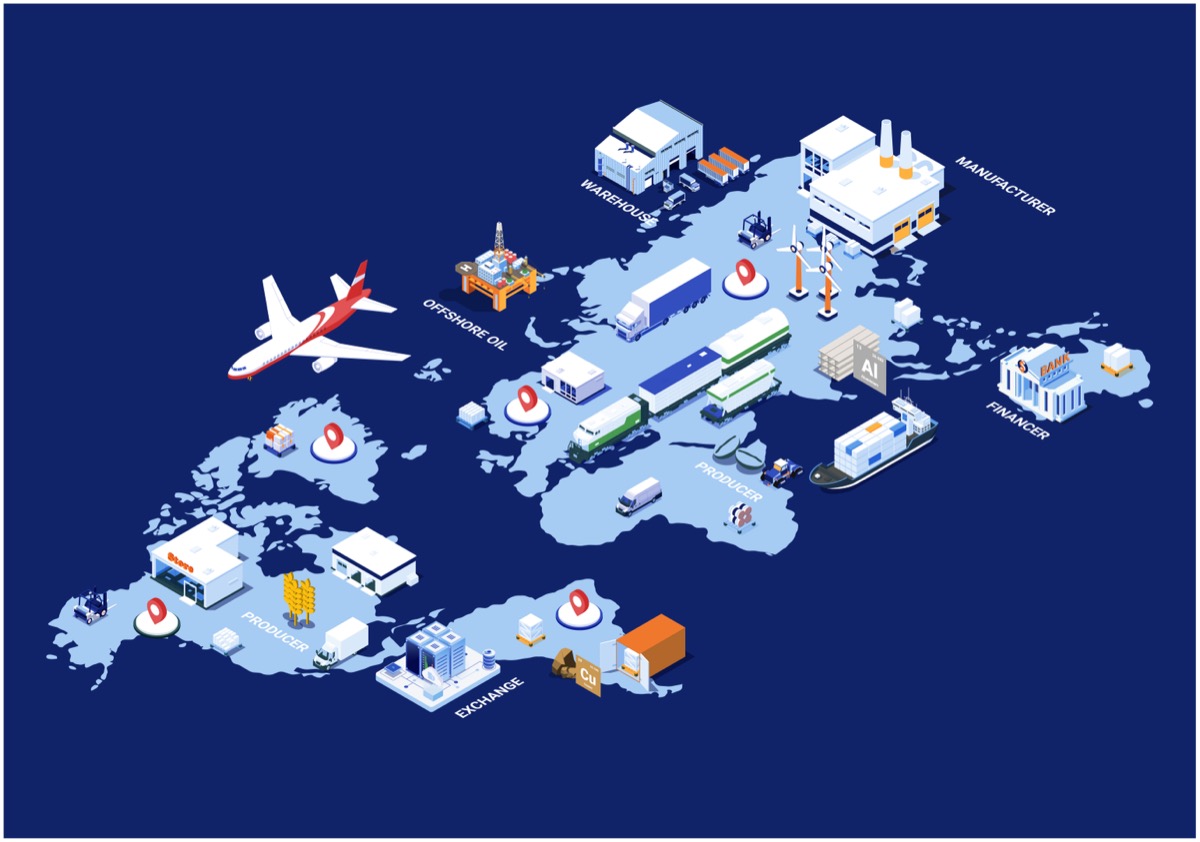
Basis Trading Software for Grain Merchants: Beyond Spreadsheets
Grain merchants lose £100K+ annually to manual basis trading errors. Modern cloud-based CTRM systems cut costs 93% while scaling operations 160x.

opsPhlo vs Allegro Horizon: Modern CTRM Costs 93% Less
Allegro Horizon charges £500K+ for what cloud-native CTRMs deliver at £50K. Here's the real cost comparison that commodity trading CFOs need to see.
Software for Soybean Trading Companies: The £4.2M Annual Risk
Soybean traders using spreadsheets face an average £4.2M annual loss from margin erosion and operational errors. Modern CTRM systems cut these costs by 93%.
Structured Commodity Finance LC Management: The £47M Cost of Manual Processing
Legacy letter of credit management costs commodity traders £47M annually in processing delays and errors. Modern structured finance platforms cut these costs by 75% while reducing settlement risk.
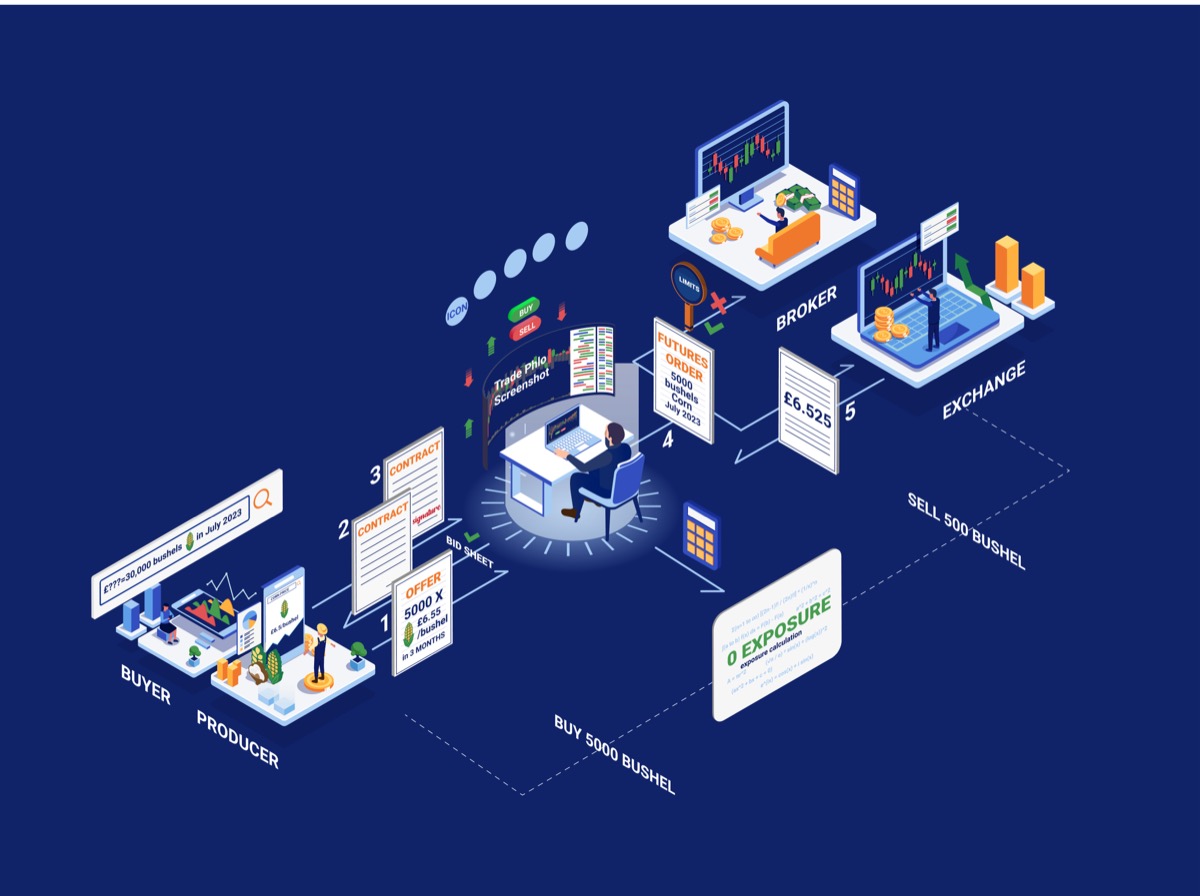
How Crude Oil Trading Desks Track Cargoes, Assays, and Real-Time P&L in One System
A crude oil trading desk handles three live data streams every day: the cargoes (vessels, ports, laycans, B/L dates), the assays (API, sulphur, TAN, distillation cut), and the P&L (physical, paper, ba
Best ETRM Systems for Crude Oil and Refined Products: 2026 Vendor Comparison
The ETRM market in 2026 is structured around three buyer tiers and one dominant vendor parent: ION owns four of the historic top-five platforms. For a physical crude or products trader making a system
Crude Oil Trading Software (ETRM / CTRM): What Physical Oil Traders Need in 2026
Physical crude oil trading software falls into a specialised category called ETRM — Energy Trading and Risk Management — which extends CTRM with vessel chartering, refining margins, cargo-level qualit
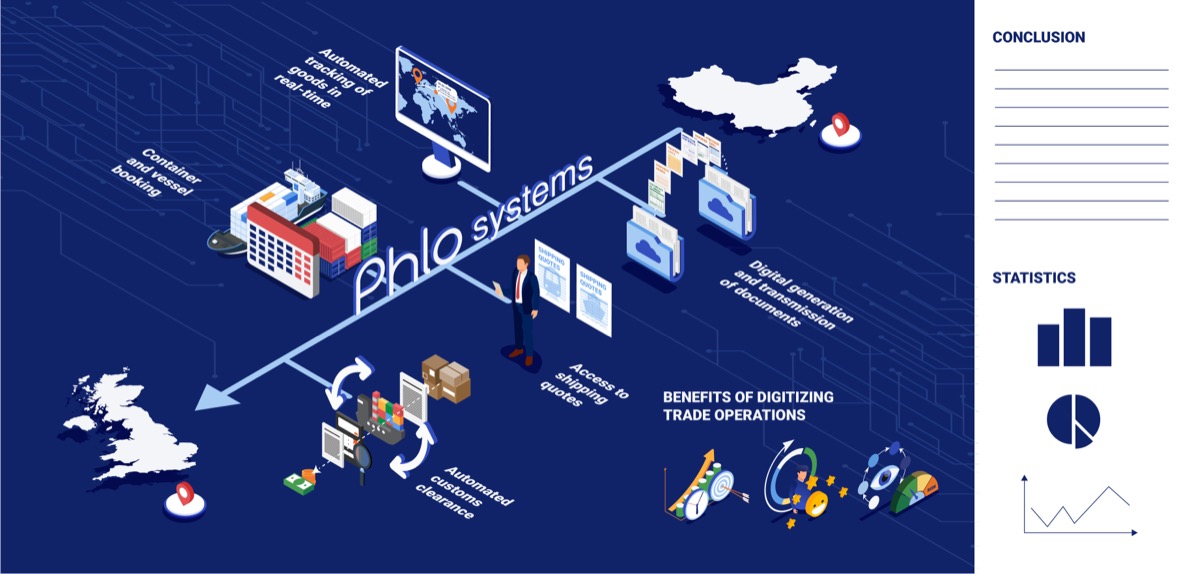
Grain Trading IT Architecture: How Wheat, Corn and Soybean Merchants Connect ERP, CTRM, and Logistics
A grain trading IT architecture has three jobs: capture every deal once, expose a real-time position across cash and futures, and turn the position into a P&L that survives statutory audit. Wheat, cor
What Systems Do Grain Traders Use? Inside the IT Stack at Cargill, ADM, COFCO and Mid-Market Houses
Grain trading firms run more software than a typical investment bank. A 100-person mid-market merchant operates between 12 and 25 distinct systems across deal capture, position management, hedging, lo