
A single weighted current that swells, curls, and tapers into a cyan spark — the trade flow we power: goods, capital, and information moving as one continuous current, terminating in clarity.
Blog
Expert perspectives on commodity trading, customs compliance, trade finance, and supply chain technology.
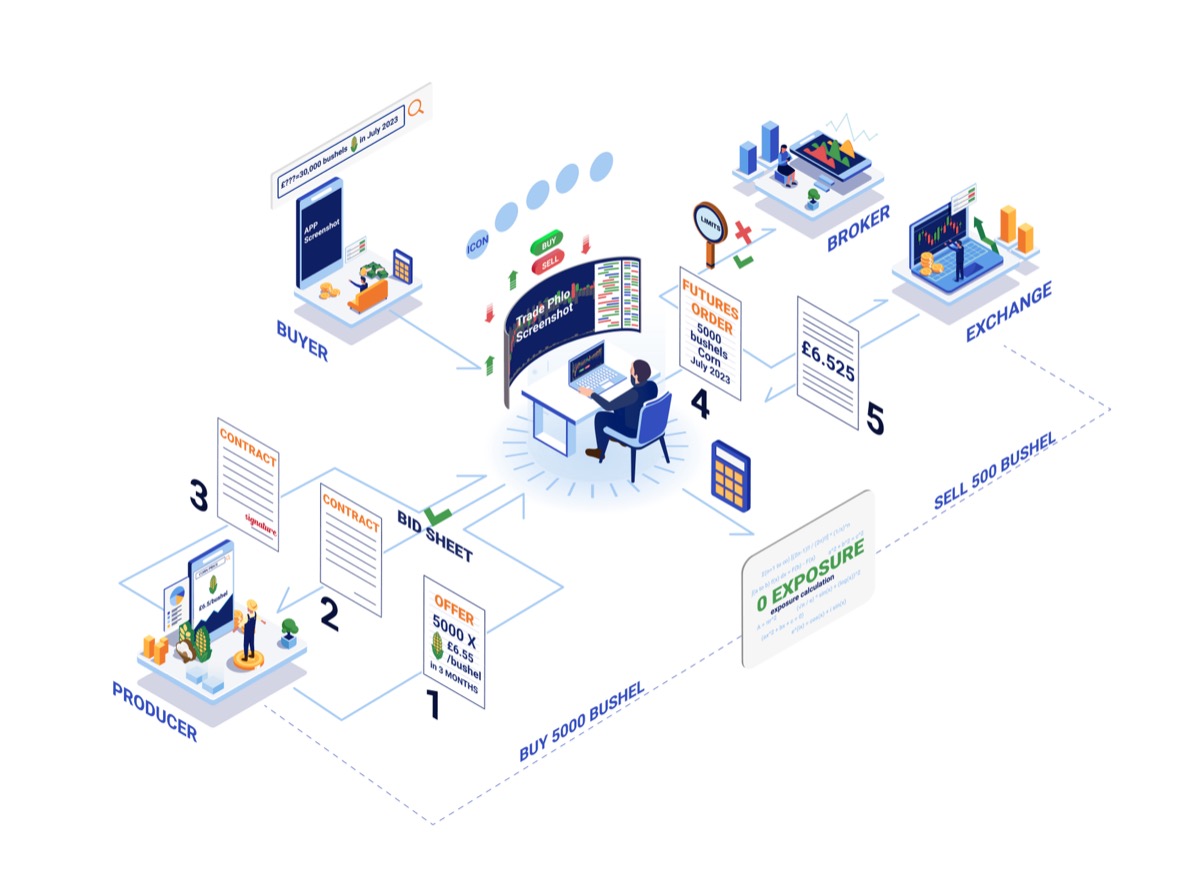
160x Scale: How a Mid-Market Trader Grew Without Changing Systems
The commodity trading industry has long suffered from a brutal scaling problem. Most mid-market trading houses hit a wall around 500-1,000 containers annually, forced to choose between expensive legac

£330K Annual Savings: The Real ROI of Replacing Legacy CTRM
The commodity trading industry has a dirty secret: most firms are running on systems that cost more to maintain than they deliver in value. While traders chase basis points in volatile markets, their

How Torq Commodities Scaled from 50 to 8,000 Containers Without Adding Staff
The commodity trading industry has a scaling problem. Most firms hit operational walls around 1,000 containers per month, forcing them to hire more back-office staff, implement expensive legacy system
Energy Trading for Physical Markets: Oil, Gas, and Power Management
Physical energy trading remains one of the most complex and capital-intensive segments of commodity markets. Unlike financial derivatives, physical trades involve actual delivery of molecules and elec
Sugar Trading Operations: From Mill to Market with Integrated CTRM
The global sugar market moves 185 million tonnes annually worth approximately $60 billion, making it one of the world's most traded agricultural commodities. Yet for all its economic significance, sug
Agricultural Commodity Trading: Grain, Pulse, and Oilseed Management
The agricultural commodity trading sector handles over $2.5 trillion worth of grain, pulse, and oilseed transactions annually, yet many firms still operate on systems designed for a pre-digital era. W
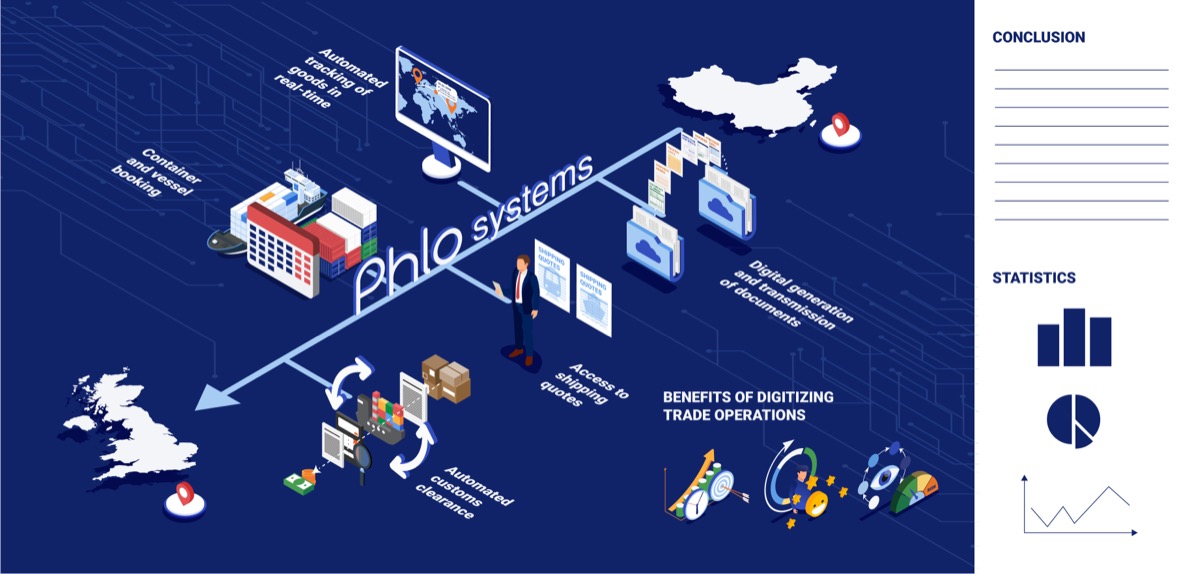
Metals Trading Risk Management: Gold, Copper, Aluminium in One Platform
The metals trading industry operates on razor-thin margins where risk management separates profitable trades from catastrophic losses. A single miscalculation in copper futures or gold price exposure

Coffee Trading Software: Managing Green Bean Procurement to Roastery Delivery
The global coffee trade moves 10 million tonnes of green beans annually, worth roughly $20 billion at origin. Yet much of this trade still runs on Excel spreadsheets, WhatsApp messages, and email chai
CTRM for SMB Traders: Why Enterprise Solutions Like ION Are Overkill
The commodity trading technology landscape has a dirty secret: most CTRM (Commodity Trading and Risk Management) systems were designed for the Glencores and Trafiguras of the world, not the thousands

Best CTRM Software 2026: opsPhlo, ION, Triple Point, Brady Compared
The commodity trading and risk management (CTRM) software landscape has undergone significant consolidation over the past decade, yet many traders still operate on systems built for a different era. A
opsPhlo vs Openlink (ION): Total Cost of Ownership Analysis
The commodity trading and risk management (CTRM) software market presents a stark choice: continue with established but expensive legacy solutions, or embrace modern alternatives that promise dramatic
opsPhlo vs Brady PLC: Modern CTRM vs Legacy Risk Management
The commodities trading and risk management (CTRM) software landscape is undergoing its most significant transformation in two decades. Traditional players like Brady PLC's trading solutions, which ha