
A single weighted current that swells, curls, and tapers into a cyan spark — the trade flow we power: goods, capital, and information moving as one continuous current, terminating in clarity.
Blog
Expert perspectives on commodity trading, customs compliance, trade finance, and supply chain technology.
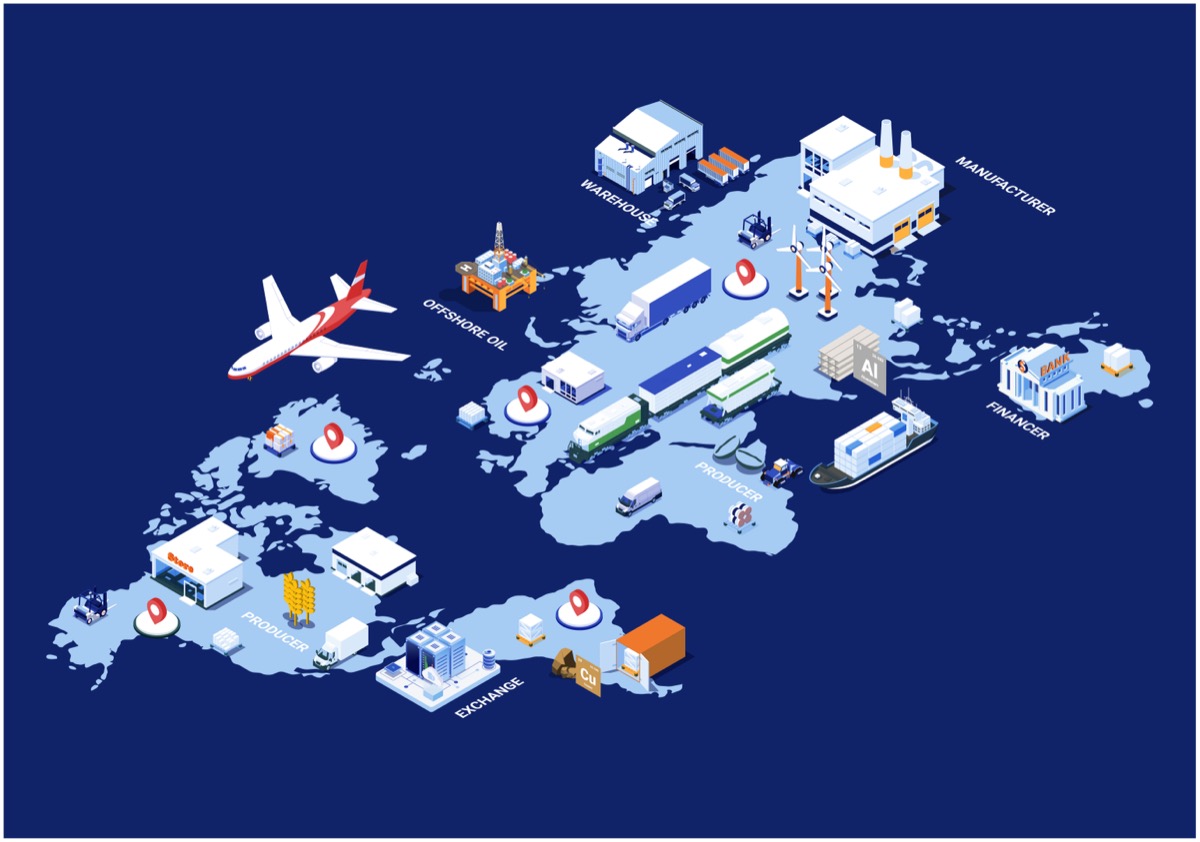
UK Border Controls Post-Brexit: Digital Solutions for Compliance
The UK's departure from the EU fundamentally reshaped how goods cross British borders. What was once a seamless internal market transaction now requires customs declarations, safety and security decla
Customs Broker Software: Automating Declarations for Multiple Clients
The customs brokerage industry sits at the intersection of regulatory complexity and operational scale. Modern brokers manage thousands of declarations monthly across multiple jurisdictions, each with

What is a Freight Forwarder? How Technology is Transforming the Industry
Freight forwarders are the invisible orchestrators of global trade, moving $14 trillion worth of goods annually across borders, oceans, and continents. Yet for an industry that underpins the world eco
NCTS Transit Declarations: How to Move Goods Through the UK and EU
The New Computerised Transit System (NCTS) has become the backbone of goods movement between the UK and EU since Brexit fundamentally altered trade flows. What was once a seamless internal market now
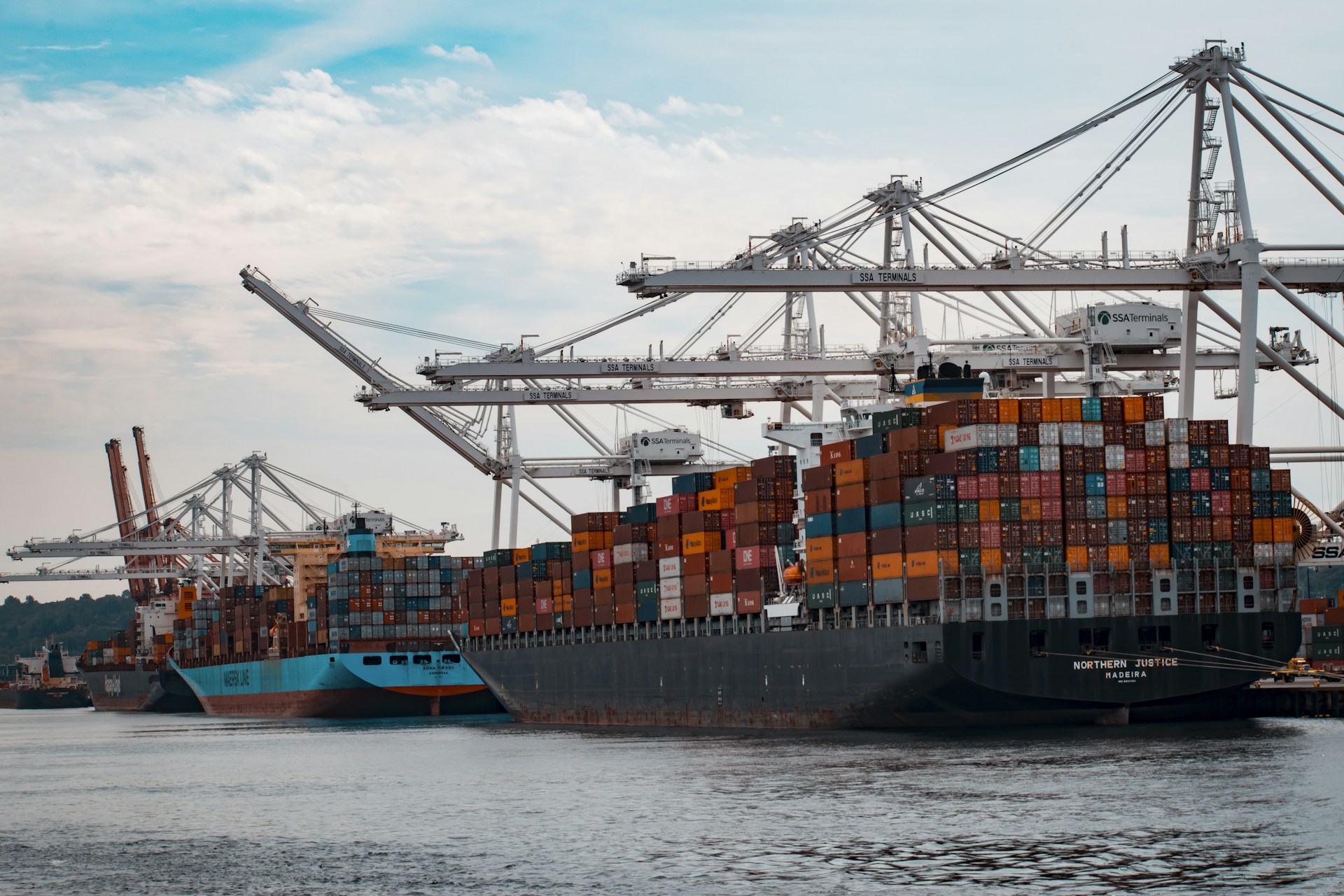
CDS (Customs Declaration Service): Everything You Need to Know for UK Trade
The UK's Customs Declaration Service (CDS) represents the most significant overhaul of British customs infrastructure in decades. Since replacing the legacy CHIEF system, CDS has fundamentally changed
What Are Customs Declarations? A Complete Guide for UK Importers and Exporters
Customs declarations are legal documents that provide HM Revenue & Customs (HMRC) with essential information about goods entering or leaving the UK. They detail what's being traded, its value, origin,

Import/Export Financing: Managing Cross-Border Payment Flows
Cross-border trade financing remains one of the most complex aspects of international commerce, where timing mismatches between shipment and payment create liquidity challenges that can make or break
Commodity Trade Finance: Bridging Physical Trading and Financial Operations
The commodity trading industry processes over $14 trillion in transactions annually, yet most trading houses still manage their financial operations through a patchwork of Excel spreadsheets, legacy s
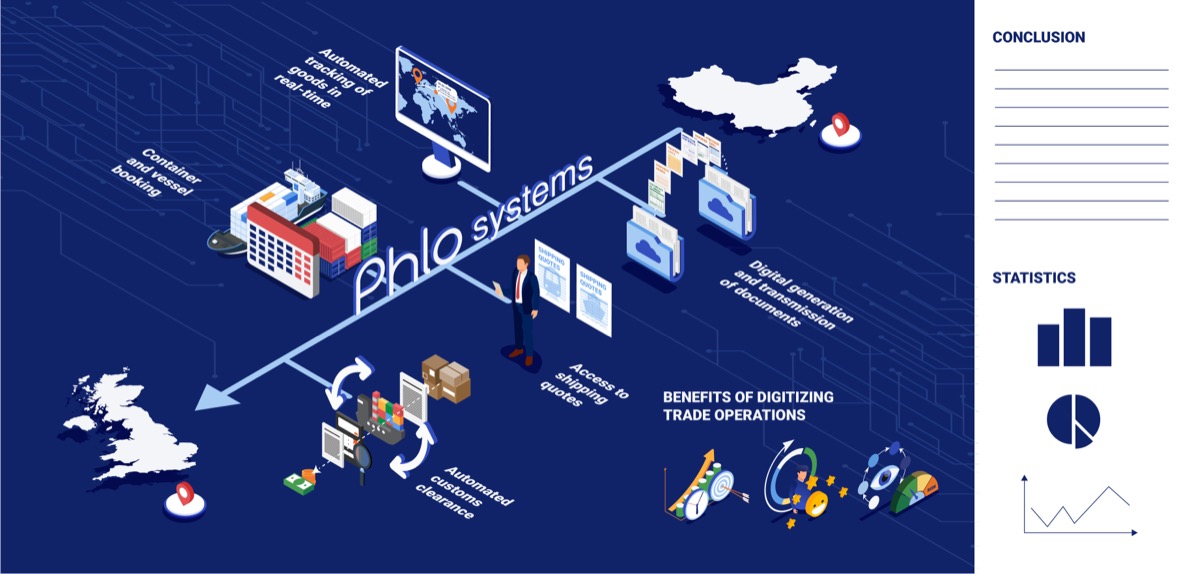
Best Trade Finance Software 2026: finPhlo, Kyriba, Taulia, C2FO
The trade finance software landscape has consolidated around a handful of dominant platforms, each addressing different aspects of the $1.7 trillion annual trade finance market. While legacy players f
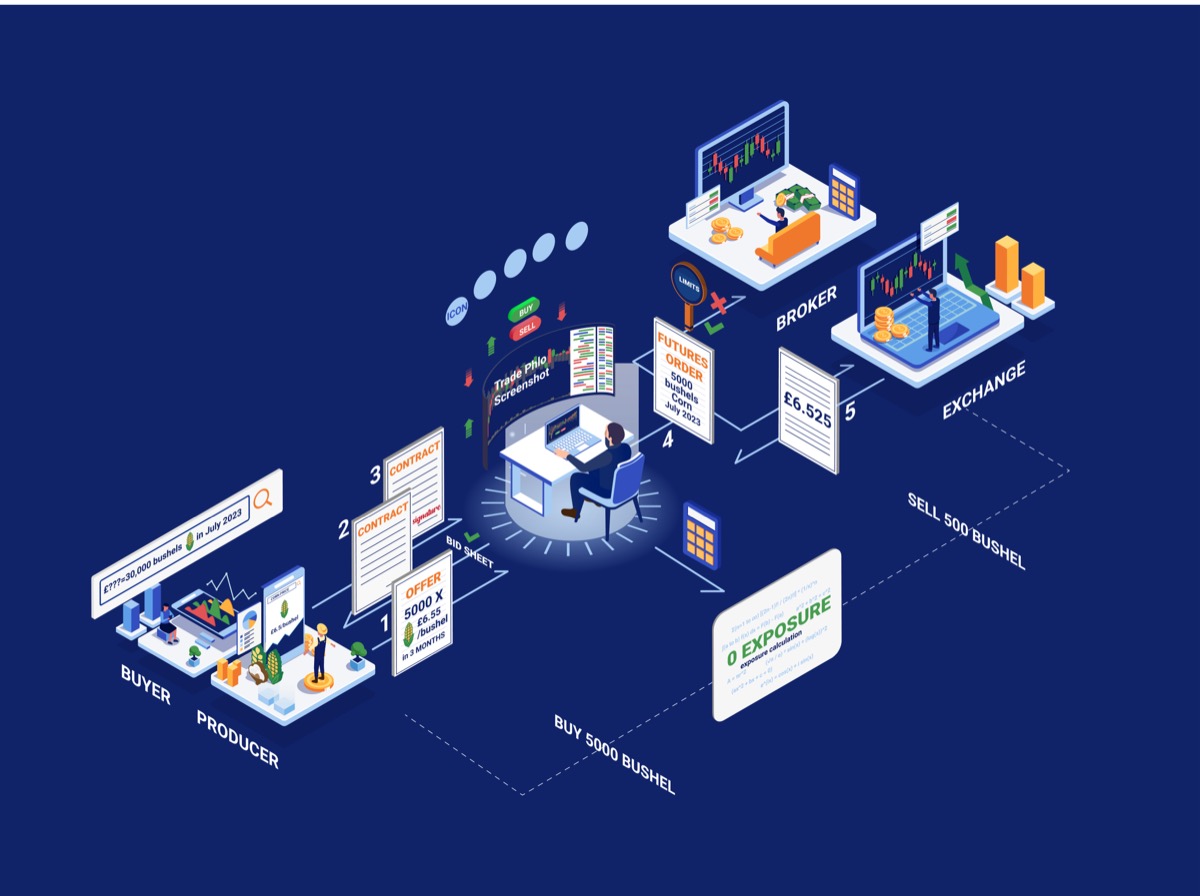
finPhlo vs PrimeRevenue: Working Capital Solutions Compared
Working capital management has become a critical battleground for finance teams as interest rates climb and cash flow pressures intensify. Two distinct approaches have emerged: established supply chai
finPhlo vs Taulia: Supply Chain Finance Platform Comparison
The supply chain finance market has evolved dramatically from the early days of basic invoice factoring. Today's platforms must handle complex multi-party transactions, integrate with diverse ERP syst

finPhlo vs Kyriba: Trade Finance and Treasury Comparison
Trade finance and treasury management platforms have evolved dramatically over the past decade, driven by regulatory complexity, working capital pressures, and the digitalisation of global supply chai