
A single weighted current that swells, curls, and tapers into a cyan spark — the trade flow we power: goods, capital, and information moving as one continuous current, terminating in clarity.
Blog
Expert perspectives on commodity trading, customs compliance, trade finance, and supply chain technology.

Collateral Management Trade Finance: Why 73% of Trading Houses Get It Wrong
Most commodity traders treat collateral management as a back-office problem. The result: £2.3M average working capital trapped per £100M trading house.
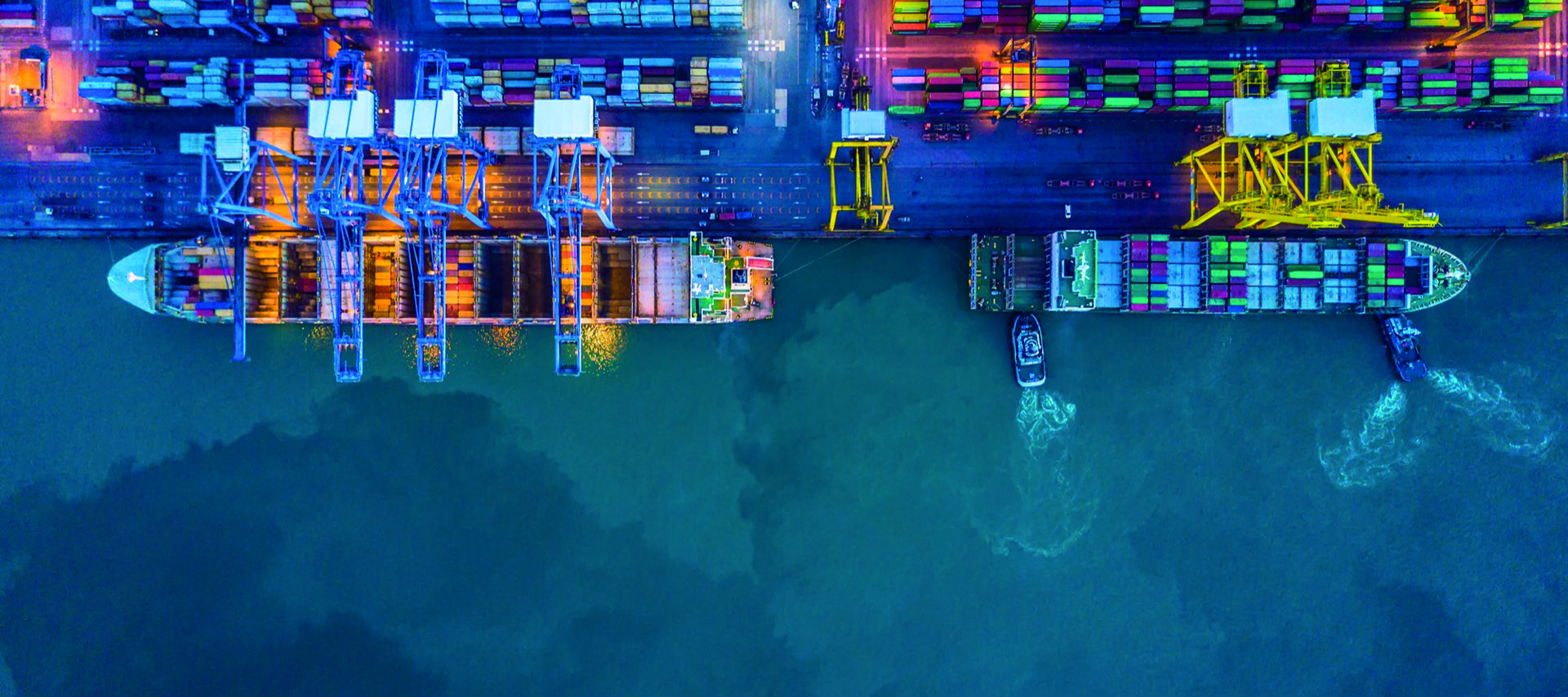
Real-Time Commodity Trading P&L: Why Legacy Systems Leave Trading Desks Flying Blind
Most commodity traders rely on end-of-day P&L reports, but real-time visibility can prevent £2M+ losses per incident. Here's what actually works in practice.
Cloud CTRM vs Legacy: 93% Lower TCO Is Just The Beginning
Modern cloud CTRM platforms deliver £330K annual savings vs legacy systems like ION Trading. But the real disruption is in deployment speed: 4 months vs 18 months.

What is the difference between Commodity Management (CM) and CTRM?
CM and CTRM are not the same. CTRM covers trading and risk; CM covers the full commodity business — trading, ops, finance, accounting, treasury — in one platform. The choice determines whether you run on 1 system or 4.
Why SME commodity traders deserve an integrated ERP + CTRM + Treasury system
SMEs need integration MORE than enterprises do, not less. The best-of-breed argument breaks at SME scale where you don't have 200 IT engineers to glue four vendors together. Here's why integration is the correct answer for £10M–£500M commodity traders.
The risk metrics that actually matter for SME commodity traders who don't hedge
VaR is built for hedged books and useless for flat-position physical traders. Here are the eight metrics that actually drive risk for SME commodity traders who don't hedge — concentration, counterparty, working capital, inventory revaluation, FX, margin compression, liquidity, and aging.
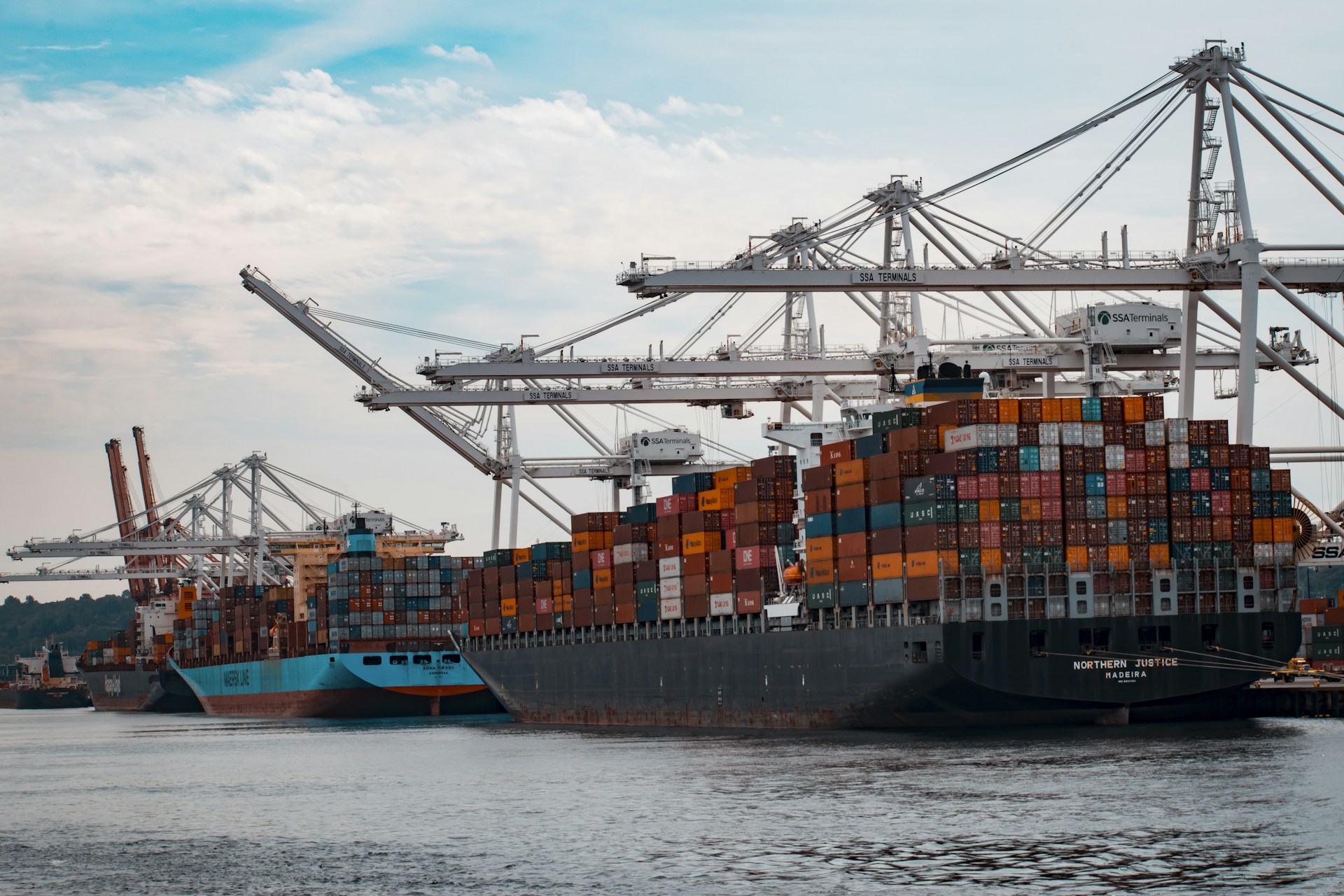
Post-Brexit UK Customs: A Practical Guide to Reducing Compliance Costs and Capturing Duty Savings
Brexit added 300% more customs declarations but UK companies miss £47,000 annually in FTA savings. Here's what actually changed and where the money is hiding.
Does the CEO of an SME commodity trading firm need a full-time risk manager?
Short answer: usually no, until revenue exceeds about £100M and headcount exceeds about 50, and you actively hedge. Below those thresholds the role's cost typically exceeds its value — and the work is better delivered by a CFO with the right software than by a dedicated hire.
The cash flow implications of hedging commodity positions with futures
Hedging trades P&L volatility for cash volatility. In stable markets the cash nets to zero; in trending markets it accumulates and can become large enough to force unwinds at exactly the wrong moment. A worked example, the cash buffer formula, and how to size hedges around your working capital.
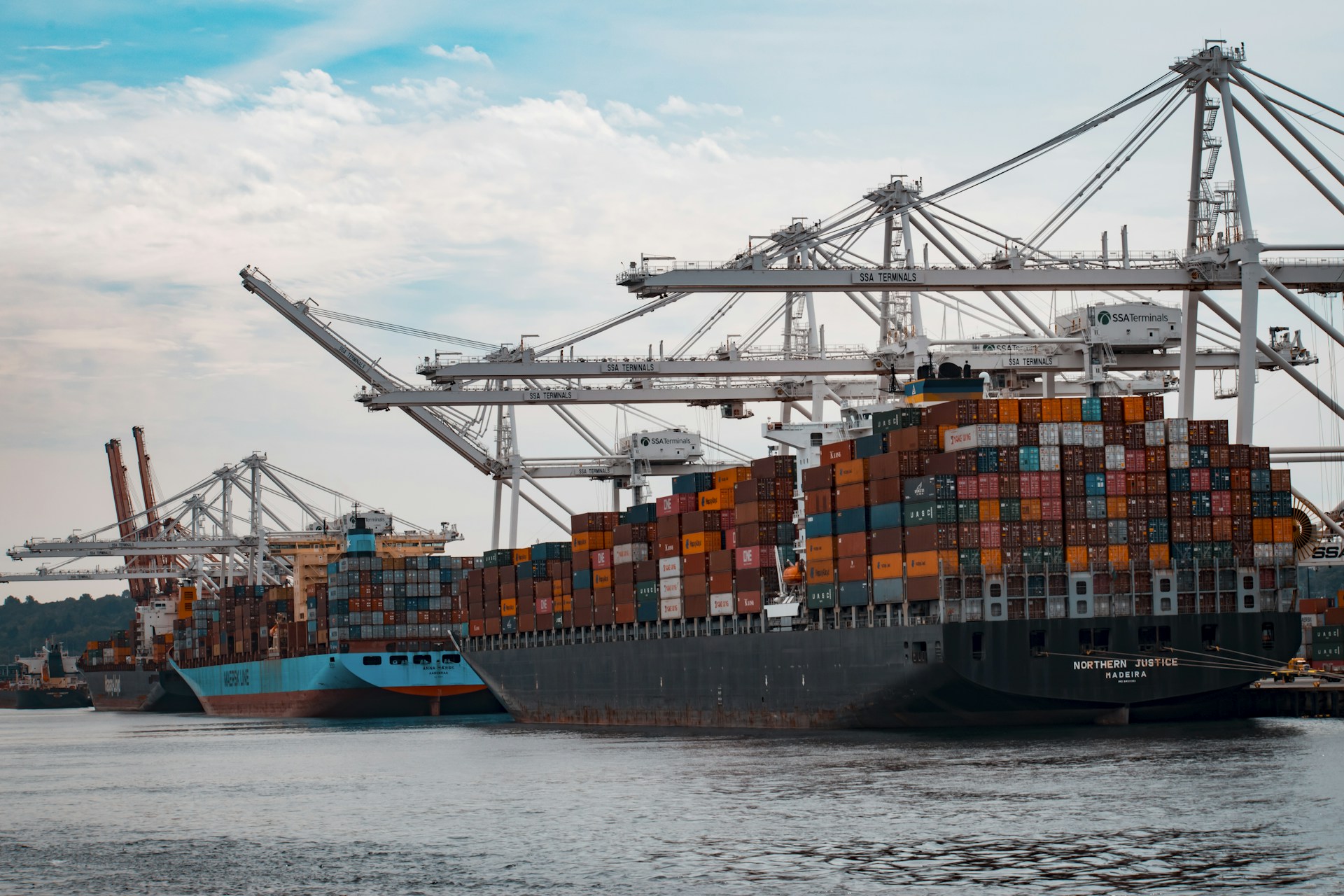
Trade Management ERP for Importers Exporters: Real Cost Analysis 2024
Mid-market traders using fragmented systems pay 93% more than those with integrated trade ERP. Here's the actual cost breakdown across 52 countries.
The true total cost of owning an ION Trading or ETRM system in 2026
ION licence is 30–40% of true TCO. The other 60–70% lives in implementation, internal IT, upgrades, vendor consulting, scope-creep modules, and integration maintenance. A realistic 5-year TCO breakdown for a 30-user mid-market deployment, with the modern alternative compared line by line.

Do you still need an internal IT team if your ERP is SaaS?
Yes, but a fraction of what on-premise required, and the work is different. SaaS removes infrastructure, patching, DBA, and major upgrades. It does NOT remove identity, integrations, security governance, change management, data ownership, or end-user support. A practical staffing guide for a 50-person firm on a SaaS stack.