
A single weighted current that swells, curls, and tapers into a cyan spark — the trade flow we power: goods, capital, and information moving as one continuous current, terminating in clarity.
Blog
Expert perspectives on commodity trading, customs compliance, trade finance, and supply chain technology.

Cloud CTRM vs On-Premise: The £330K Hidden Cost Reality
Legacy CTRM systems cost 15x more than cloud alternatives when you factor in hidden implementation, maintenance, and scaling costs. Real data from 80+ deployments reveals the stark financial reality.
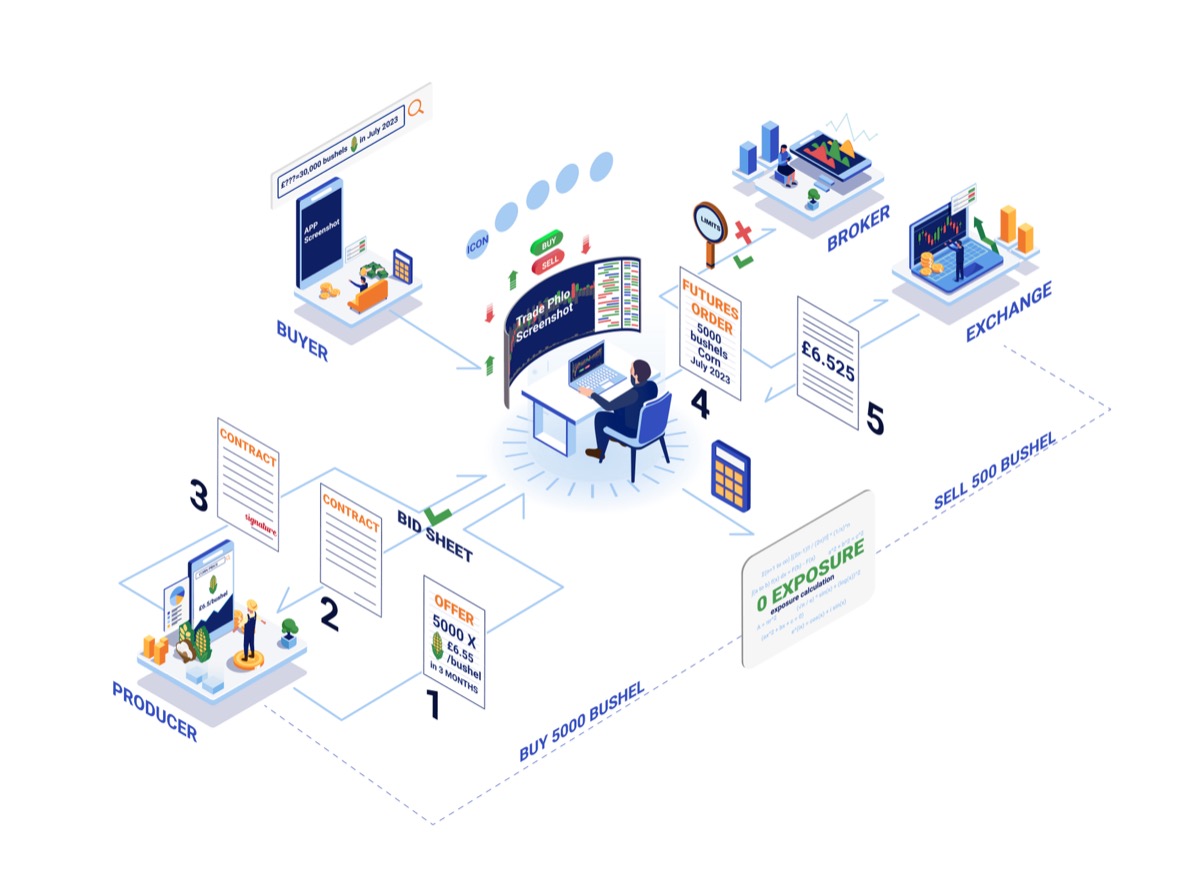
Commodity Trading ERP Software Comparison: The £330K Hidden Cost Reality
Mid-market traders pay 93% more than necessary for commodity ERP systems. Here's what ION Trading, Triple Point, and Brady PLC actually cost versus modern alternatives.
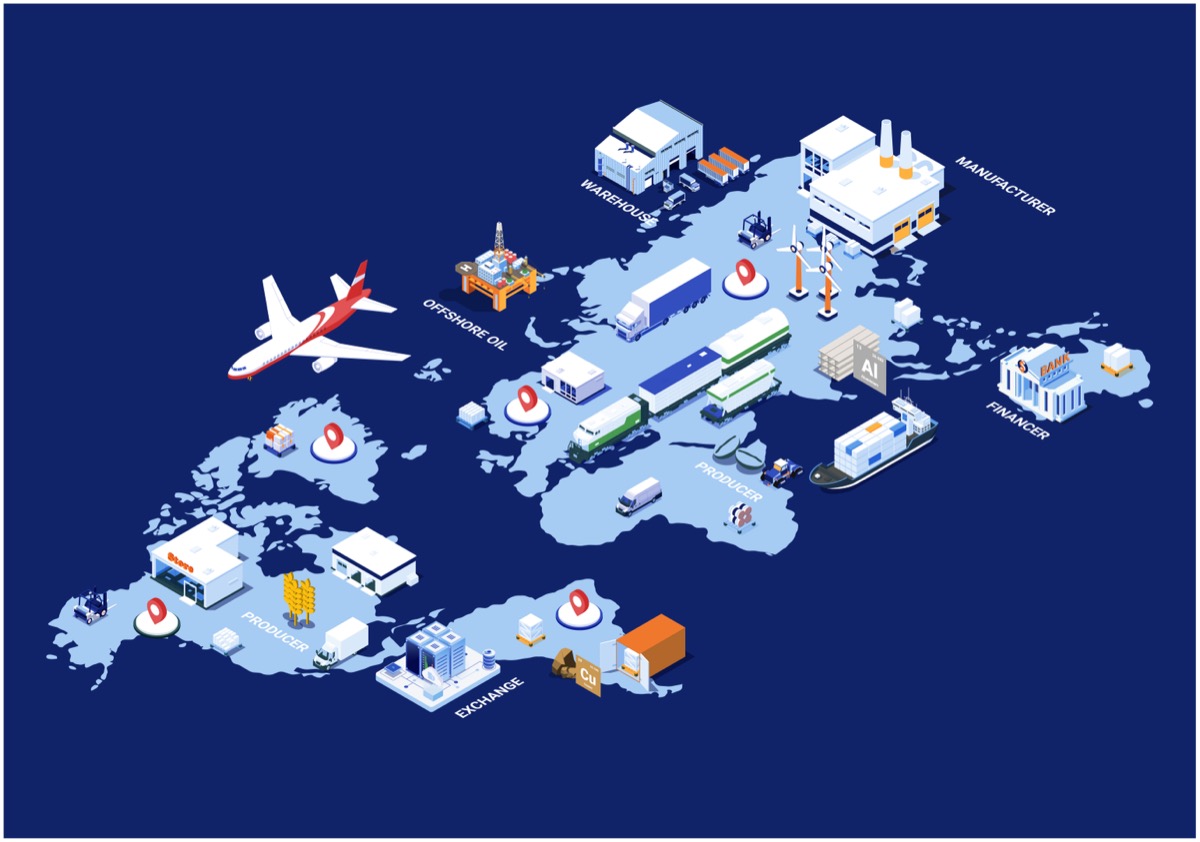
Commodity Trading Risk Management Software: Why Mid-Market Firms Struggle with Hidden Risk Exposures
79% of mid-market commodity traders lose money on risk exposure they didn't know they had. Modern CTRM systems can prevent this—if you choose correctly.

Mid-Market CTRM Systems Under £500M: Why 73% Fail Implementation
Most mid-market commodity traders pick CTRM systems designed for £5B+ giants. Here's why that costs them £330K annually and what actually works.

Customs Misclassification Penalties: The Hidden P&L Risk for UK Importers
UK importers face average £47,000 annual penalties for customs misclassification. Single HS code errors trigger 15% duty penalties plus interest backdated three years.

The £47K Annual Customs Compliance Bleed: Why Manual Processes Are Destroying UK Importer Profits
UK importers processing 1,000+ declarations annually face £47K in hidden compliance costs. Modern customs declaration software cuts this by 75% while ensuring CDS compliance.
AI Document Processing Customs Clearance: £330K Annual Cost Reality
Manual customs document processing costs mid-market traders £330K annually versus AI systems. Here's the specific breakdown operations directors need.
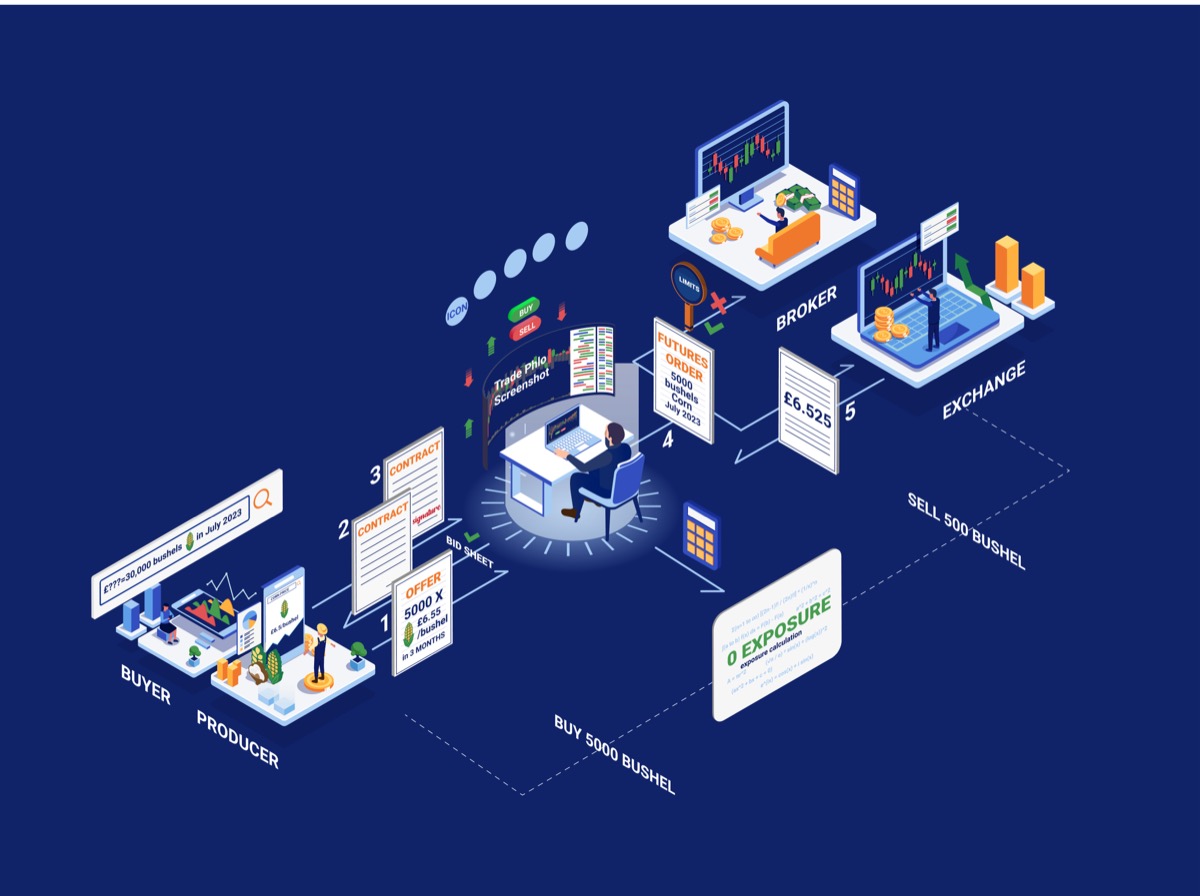
The Hidden P&L Killer: How Trade Finance Funds Lose Millions to Operational Inefficiency
Trade finance funds lose £47M annually to manual processes and legacy systems. Modern technology platforms reduce this gap by 35% while improving risk management.
Trade Finance Management Software: The £47M Working Capital Reality
Commodity traders lose £47M annually to working capital inefficiency. Modern trade finance software can reduce DSO by 30% and cut operational costs by 75%.
Commodity Operations Management Platform: The £2.4M Hidden Cost
Trading houses lose £2.4M annually to inefficient commodity operations. Modern platforms deliver £330K savings versus legacy systems.
Replace ION Trading Openlink: £330K Savings on Modern CTRM Alternative
Commodity traders pay £500K+ for ION Trading setups but modern cloud CTRM delivers 93% lower total cost. Real case studies from metals and coffee trading houses.
Commodity Trading Software for Coffee Traders: The £330K Reality
Coffee traders using legacy systems lose £330K annually vs modern CTRM platforms. Here's why Torq Commodities scaled from 50 to 8,000 containers with the right tech.