
A single weighted current that swells, curls, and tapers into a cyan spark — the trade flow we power: goods, capital, and information moving as one continuous current, terminating in clarity.
Blog
Expert perspectives on commodity trading, customs compliance, trade finance, and supply chain technology.

What is a real-time general ledger, and why does it matter for commodity traders?
Most CTRMs post to the GL overnight, in batch, after the desk has already traded on stale numbers. A real-time GL closes books in days instead of weeks and lets a CFO see today's P&L today. Here's the architectural difference, and why it's hard to bolt onto a legacy system.
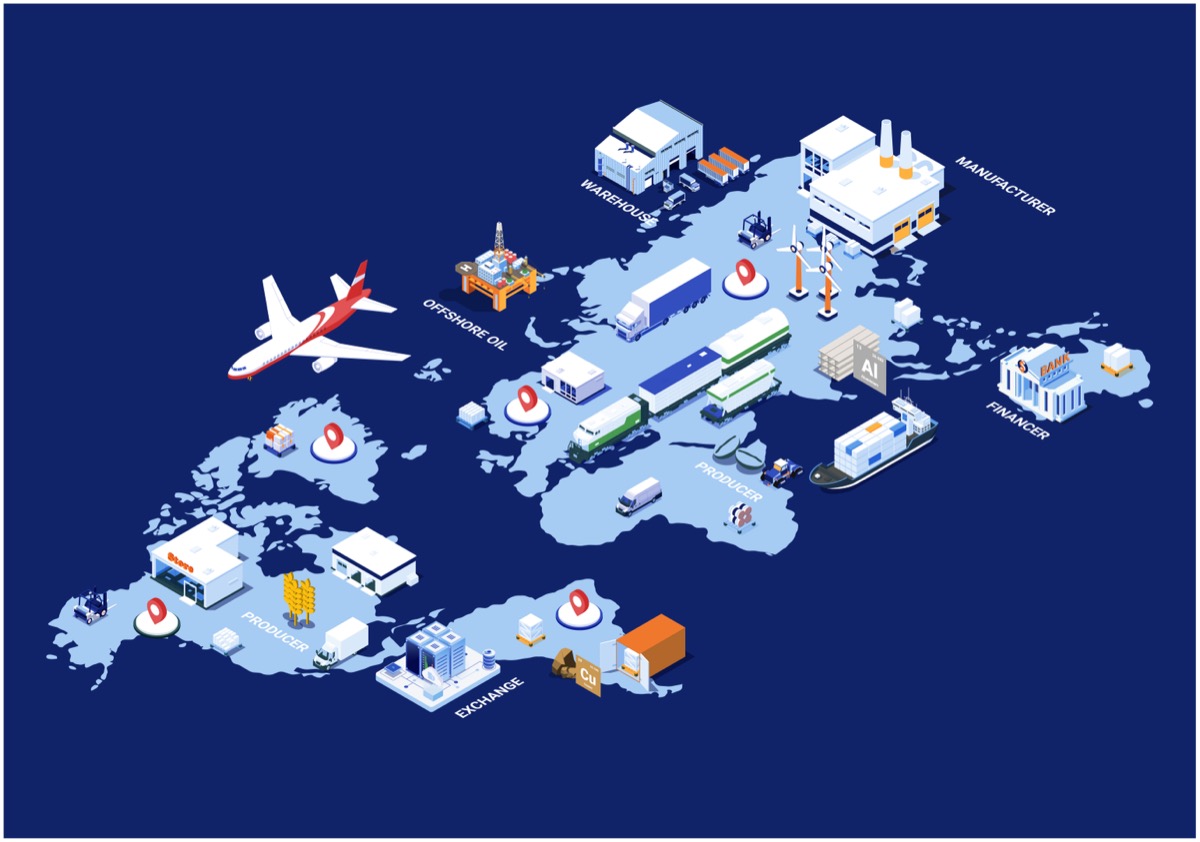
What Does a Duty Recovery Audit Actually Check in Your Customs Data?
Most of the $166B in refundable IEEPA duty is still unclaimed because nobody has time to comb a year of ACE ITRAC data by hand. Here's what a duty recovery audit actually checks, and why it's rarely just one thing.
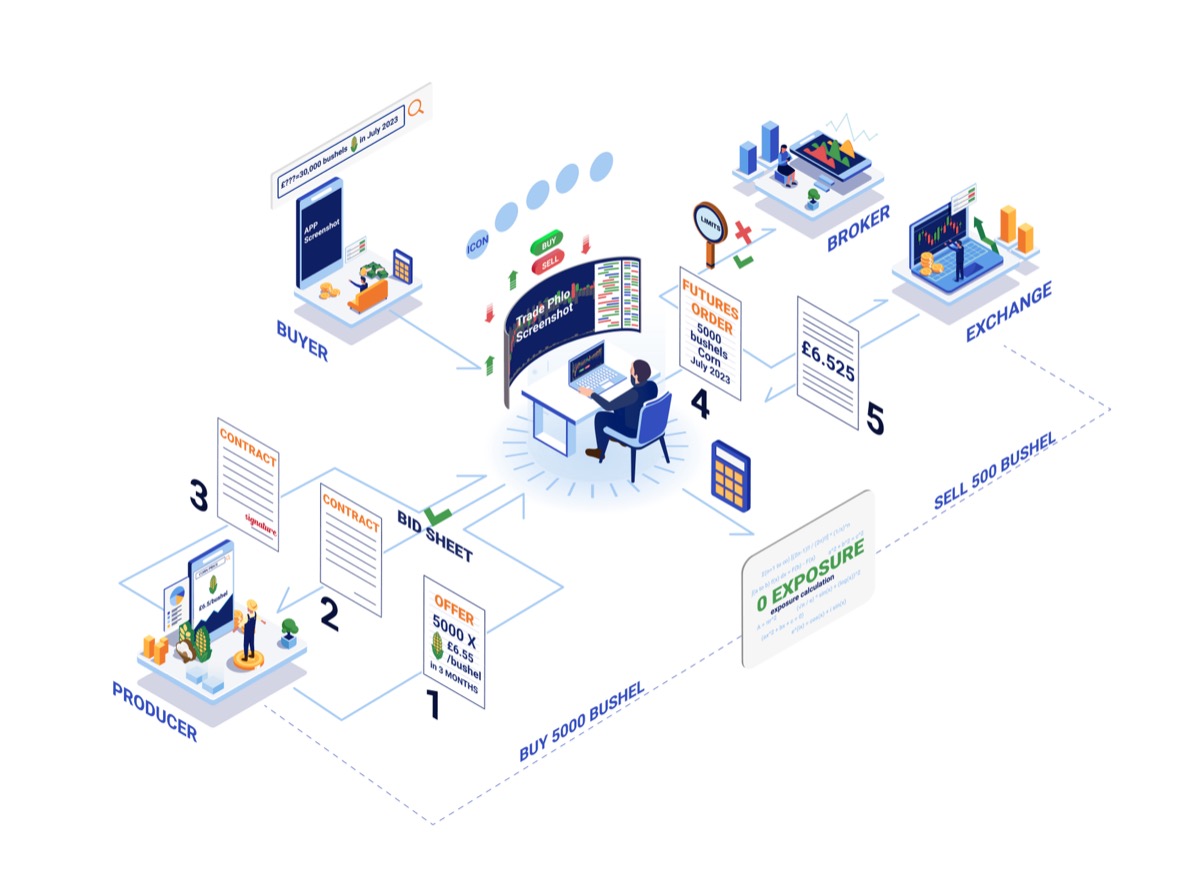
How Do You Check a Letter of Credit Is Workable Before You Present It to the Bank?
First-presentation LC discrepancy rates have sat around 50-70% for years because checking is manual and one-shot. Here's what a workable letter of credit actually requires, and where back-to-back structures make it worse.
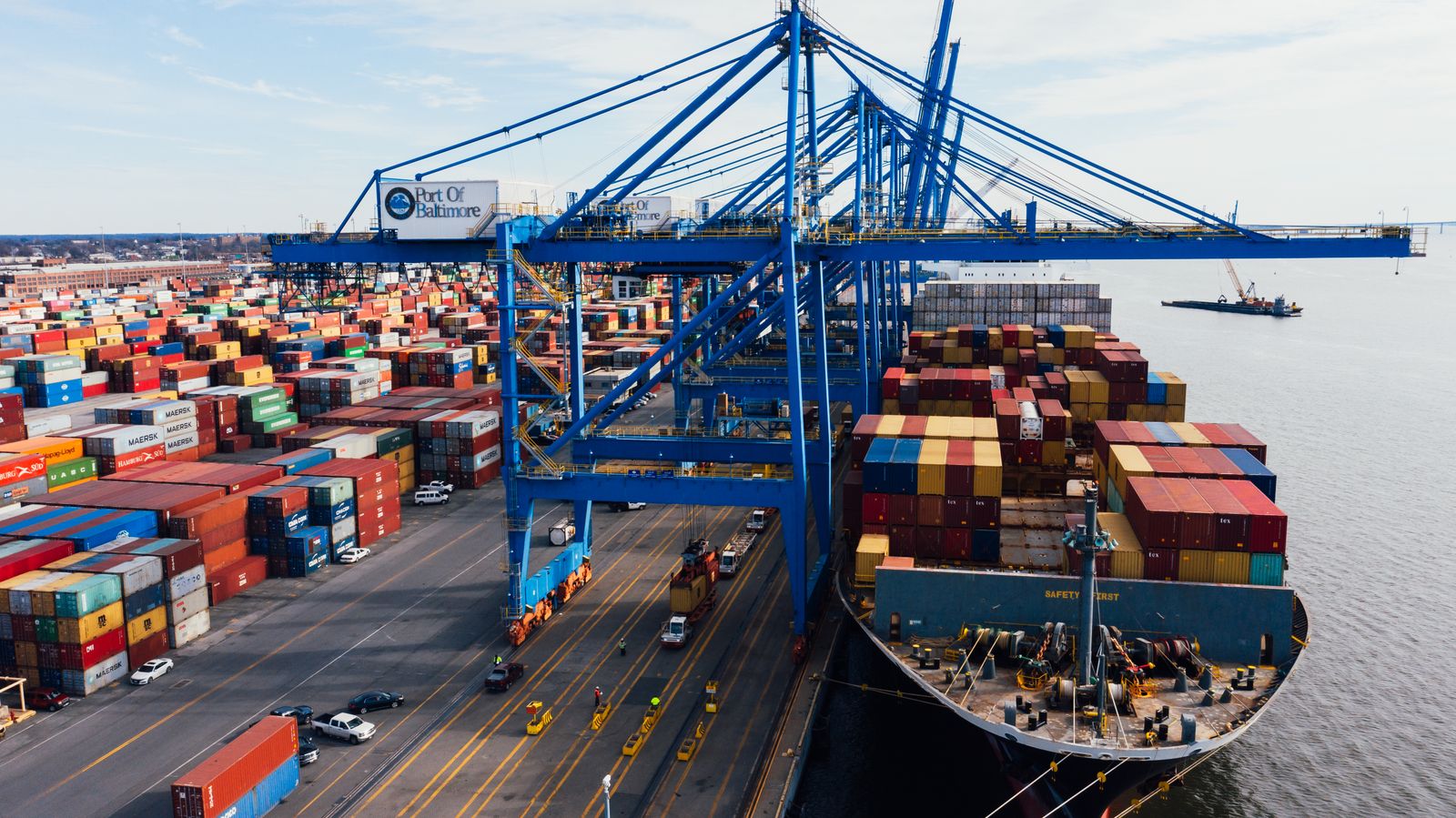
Why are most letter of credit presentations refused on first presentation?
ICC surveys have repeatedly found that the majority of documents presented under letters of credit are refused the first time. The causes are structural, not careless. Here is why it keeps happening, what a refusal actually costs, and how disciplined traders present clean.
What is a letter of credit workability review, and when should it happen?
The most expensive letter of credit mistakes are baked in on the day the credit arrives, not on the day documents are presented. A workability review reads the credit against the contract while an amendment still costs nothing but a phone call.
What is a back-to-back letter of credit, and why must the two credits mirror?
A back-to-back structure only works if one cargo and one set of documents can satisfy both credits. Every term where the purchase credit is looser than the sale credit is a gap the middle trader pays for. Here is the mirror discipline, term by term.
MT700, MT707 and the current state of a letter of credit
A letter of credit is not a document. It is a sequence: an MT700 followed by MT707 amendments, and compliance means conformity with the current state of that sequence. Checking documents against the credit as originally issued is checking against something that no longer exists.
Can AI check letter of credit documents?
Large language models are genuinely good at reading trade documents and genuinely unreliable at date arithmetic and completeness. A trustworthy L/C checking system splits the work: the model reads, deterministic code decides. Here is the architecture, and why each piece is where it is.
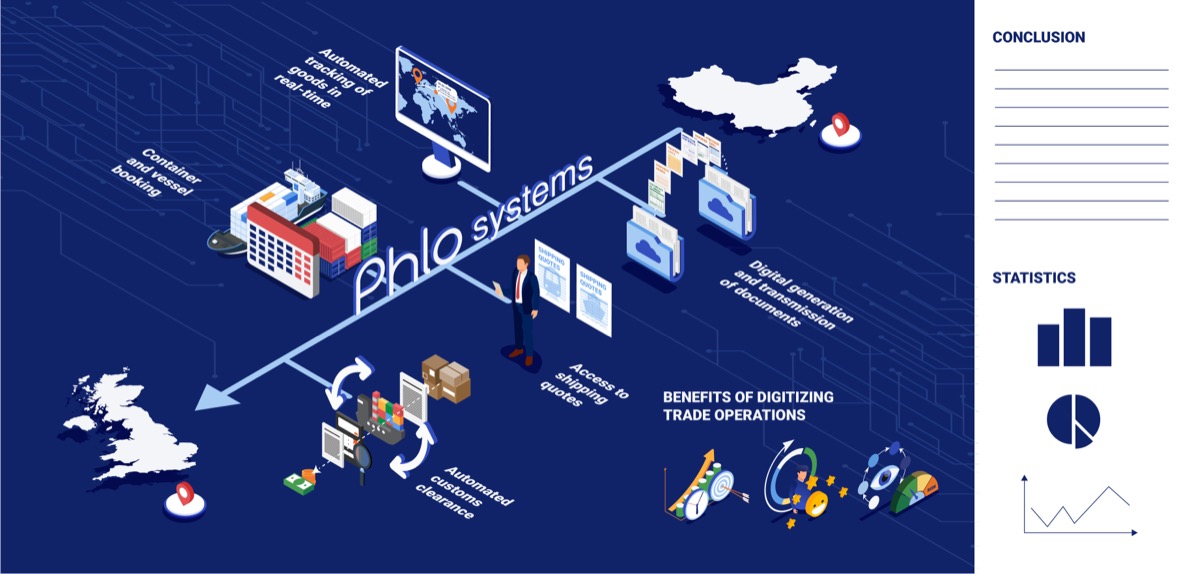
Trade Finance Fund Management Technology: What Actually Works
Most trade finance funds are running on tools built for banks, not for the speed and complexity of commodity lending. Here's what the technology gap is actually costing you.
Working Capital Optimisation in Commodity Trading: What the Numbers Actually Show
Commodity traders lock up 15-25% of revenue in avoidable working capital. Here's how the best-run trading houses are fixing it — with specific numbers.

CTRM Systems for Mid-Market Traders: What £500M-Revenue Companies Actually Need
Legacy CTRM vendors price mid-market traders out of the market, then under-serve them anyway. Here's what the right system actually costs—and delivers.

LME Metals Trading Software: What Actually Works in 2025
Most LME metals traders are running £500K+ legacy CTRM systems that were designed for a different era. Here's what modern software actually delivers—and what the numbers say.