
A single weighted current that swells, curls, and tapers into a cyan spark — the trade flow we power: goods, capital, and information moving as one continuous current, terminating in clarity.
Blog
Expert perspectives on commodity trading, customs compliance, trade finance, and supply chain technology.

Cash Flow at Risk (CFAR) for commodity trading firms: a practical guide
CFAR tells you the maximum cash shortfall expected with a given confidence over a given horizon. For commodity traders it's often more important than VaR — firms don't go bankrupt from P&L losses, they go bankrupt running out of cash. The formula, a worked example, and a defensible policy template.

SimplyDuty vs customs-compliance.ai: A Feature-by-Feature Comparison for 2026
Tariff classification in 2026 is no longer a lookup problem — it's a reasoning problem. An honest, numbers-first comparison of SimplyDuty (rule-based lookup, ~130 countries, £29-£129/mo) and customs-compliance.ai (3-stage AI, 51 countries deep, Free/£14/£39/£99). Covers pricing, classification depth, country coverage, ERP integration, and the specific cases where each tool is the right choice.
CargoWise Alternatives for SME Customs Brokers and Freight Forwarders in 2026
CargoWise is genuinely excellent for 50+ seat enterprise forwarders. For the £2M-£50M broker, forwarder or 3PL, it's wrong-sized. A direct comparison of CargoWise, tradePhlo, Descartes OneView, Magaya, AEB ASSIST4, CAS, BoxTop, and Kerridge — with honest pricing, implementation timelines, and a framework for picking by business shape rather than feature checklist.
Best Trade Finance Software for Commodity Trader CFOs in 2026
A CFO-grade guide to the trade finance software landscape from the borrower's perspective, not the lender's. Covers multi-facility visibility, covenant tracking, collateral cycling, and FX alignment for commodity traders running 4-12 lender relationships. Compares ERP-embedded treasury (SAP, Kyriba), borrower-facing platforms (Finastra, Surecomp, finPhlo), and when spreadsheets still work.

Commodity Trading Risk Management Software: Real Cost Analysis 2024
Legacy CTRM systems cost 93% more than modern alternatives. Why commodity traders pay £500K+ annually for outdated risk management when cloud-native solutions deliver £330K savings.
The 2026 CTRM Buyer's Guide: How to Evaluate Commodity Trading Software Without Regretting the Decision Three Years Later
A vendor-neutral buyer's guide for commodity trading and risk management software in 2026. How the landscape splits into three tiers, the eight dimensions that actually matter, the mistakes that turn good shortlists into bad decisions, and a 60-day evaluation timeline you can run tomorrow.
Descartes CustomsInfo Alternatives: AI Tariff Classification at SME Pricing in 2026
Descartes CustomsInfo is the enterprise incumbent for tariff data and classification — but the €200/month starting price climbs fast with modules and users, and the implementation curve is steep for SMEs and mid-market importers. Here are five credible alternatives with AI classification, honest pricing, and shorter time-to-value.
TriplePoint Alternatives for Mid-Market Commodity Traders in 2026
ION Trading's TriplePoint has been the incumbent CTRM for serious commodity traders for nearly two decades. But its £500K–£1.5M implementations and 12–18 month timelines leave mid-market firms overpaying or waiting too long to go live. Here are the six credible alternatives worth shortlisting in 2026, with an honest decision framework by company size.
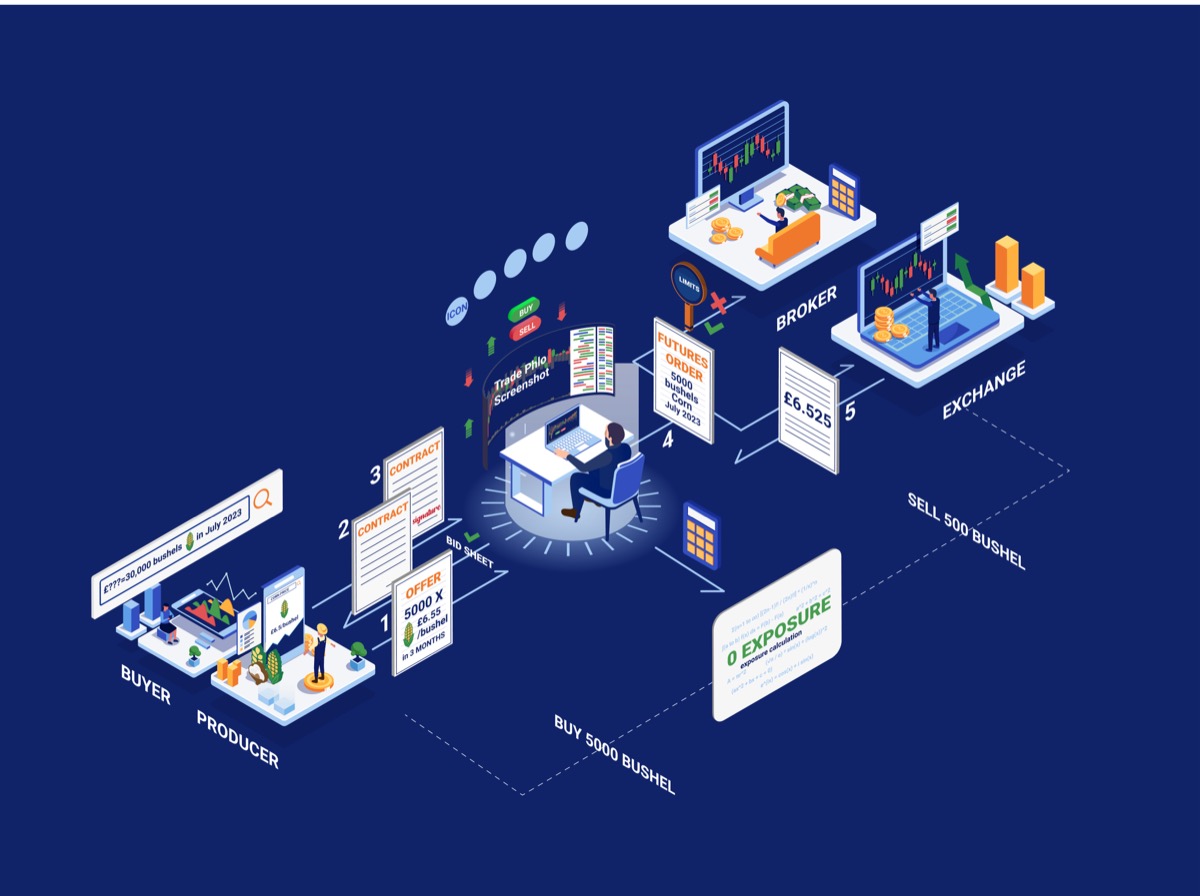
Trade Finance Management Software: Why 73% of Commodity CFOs Choose Wrong
Most trading houses select trade finance software based on features, not financial outcomes. Here's why that costs them £400K+ annually in trapped working capital.

Commodity Trading ERP Software Comparison: Real TCO Analysis 2024
Legacy CTRM systems cost 93% more than modern cloud platforms. Here's why Olam, Cargill, and mid-market traders are switching to integrated ERP solutions.
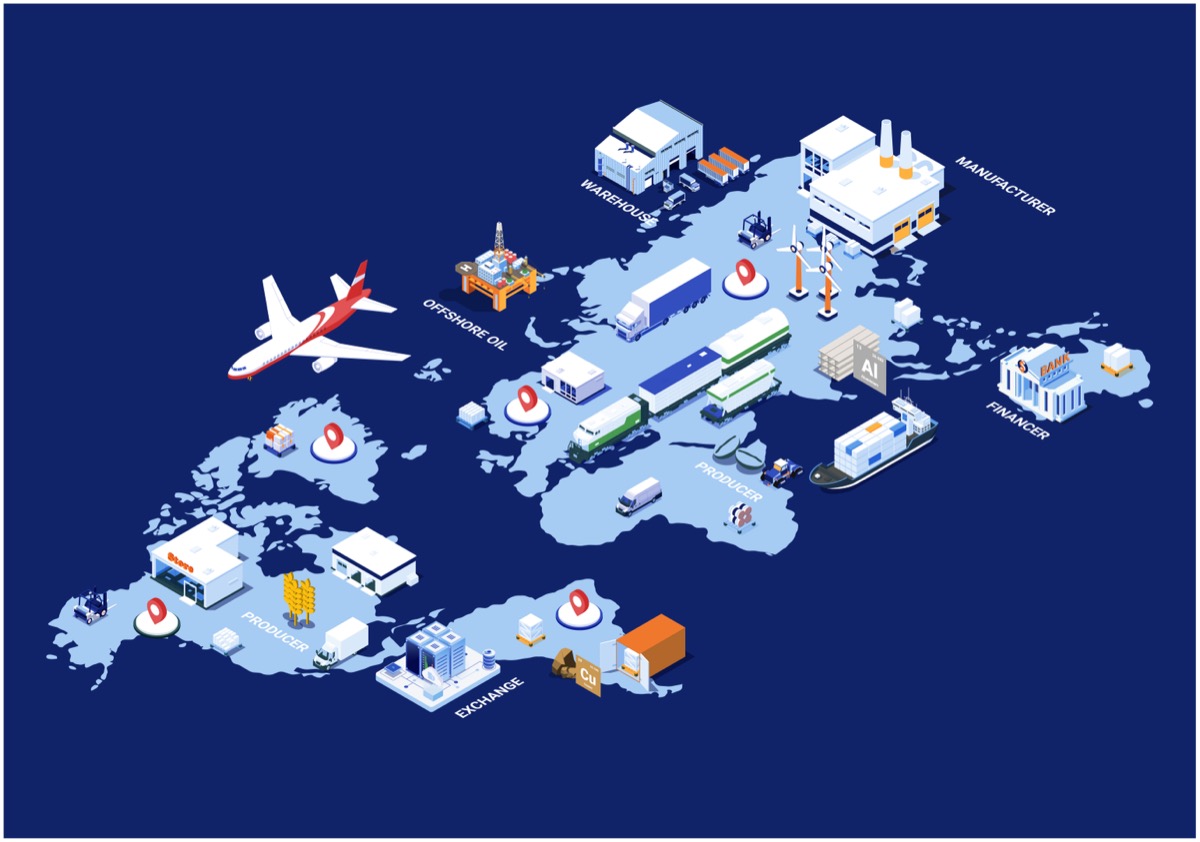
Why UK SMEs Pay £1,200+ Annually for Basic Duty Lookups (And Miss Thousands in FTA Savings)
UK importers overpay £847M annually on customs duty due to overpriced classification tools. Here's why switching to cheaper alternatives saves 70% while finding FTA benefits SimplyDuty misses.

The £2.4B Brexit Compliance Trap: Why UK Traders Are Bleeding Cash on Manual Processes That Software Should Handle
Three years post-Brexit, 73% of UK-EU traders still rely on manual compliance processes, costing £12.3K per shipment in delays and penalties. Here's how automation is changing the game.